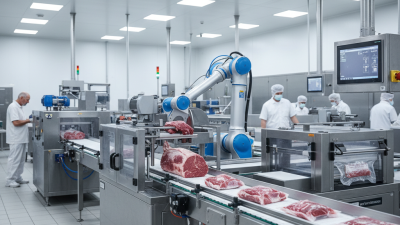
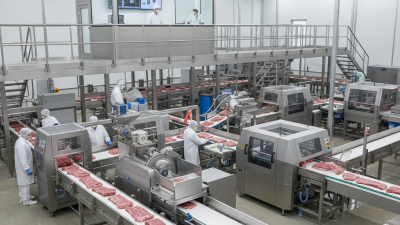
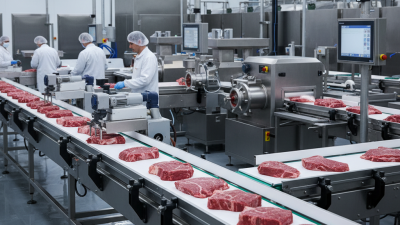
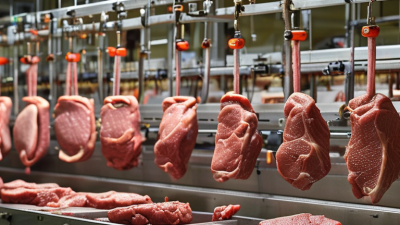
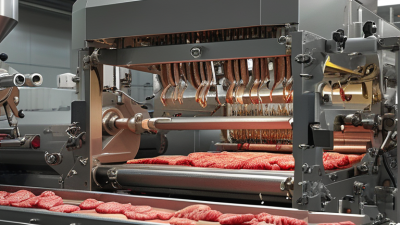
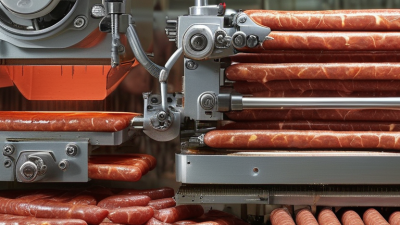
For global buyers, selecting meat equipment in 2026 requires more than comparing prices and motor power. A suitable machine must fit the product, plant layout, labor skills, cleaning routine, and expected production volume. A compact slicer may perform well in a test room but struggle beside a wet processing line. Small details matter. Drainage, access doors, sensor placement, and spare-part availability can shape daily productivity.
Temple Grandin, PhD, an animal behavior scientist and facility design authority, often emphasizes, “The key to good handling is understanding how animals think.” Her principle also supports better equipment planning. Smooth conveyors, controlled movement, quiet operation, and safe working distances can improve both animal welfare and operator confidence. Buyers should examine hygienic design, stainless-steel grades, temperature control, cutting accuracy, automation, and cleaning time. Meat equipment should support measurable outcomes, not simply appear advanced.
This guide considers equipment for slaughtering, deboning, grinding, mixing, portioning, packaging, refrigeration, and wastewater management. It also addresses supplier audits, factory acceptance testing, installation support, training, and lifecycle costs. A low purchase price can become expensive after repeated stoppages. That is easy to underestimate. Energy consumption, seal replacement, calibration, and local technical service deserve equal attention. No machine fixes a poor layout. No brochure replaces a site visit. Global buyers should verify performance with real product samples and documented trials. Some recommendations may need refinement because every plant has different workflows, climates, labor conditions, and food-safety systems.
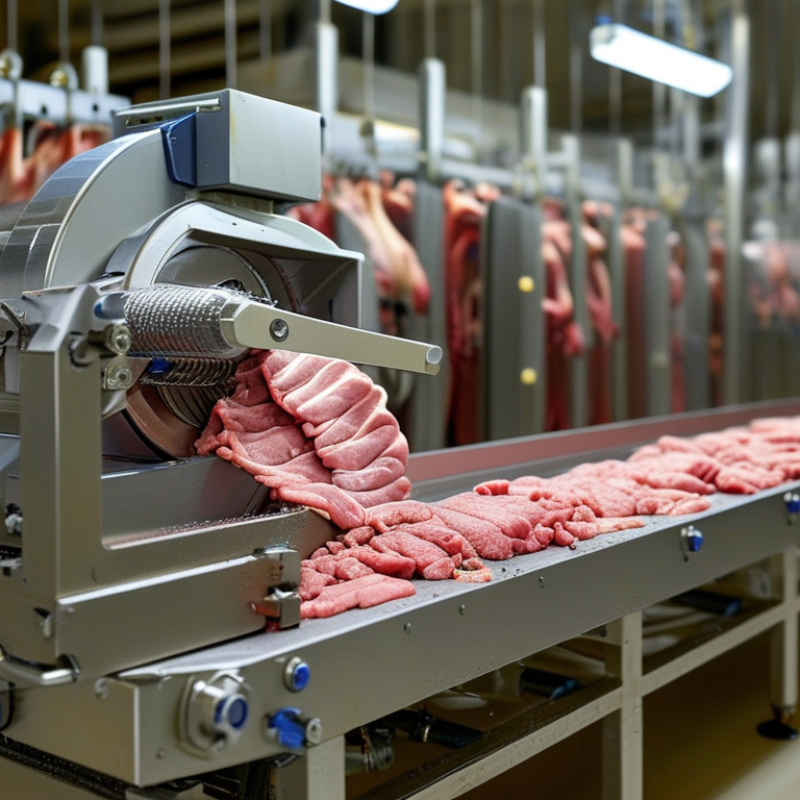
FAOSTAT’s 2023 baseline records global meat production at 374 million tonnes. This figure gives equipment buyers a practical starting point for assessing market scale. It also hides major differences between regions, species, and processing standards. Beef, poultry, and pork lines require different cutting, handling, and chilling designs. Production volume alone cannot define the right machine.
A reliable 2026 purchasing plan should connect equipment capacity with daily slaughter schedules. For example, a line handling 10 tonnes per hour needs balanced conveyors, stable refrigeration, and enough packaging capacity. Small delays can create temperature risks and product loss. Hygienic design matters, especially around joints, seals, drains, and hard-to-clean contact points. Stainless steel construction helps, but it does not replace disciplined sanitation procedures.
Cold storage deserves equal attention. A fast processing line is useless when finished products wait in an undersized room. Buyers should request tested energy data, maintenance access, spare-part availability, and operator training. Local technicians can reduce downtime, though this assumption needs verification before signing a contract. Many projects overestimate future demand and underestimate water, power, and wastewater requirements. That is an uncomfortable lesson. A careful buyer should compare the 374-million-tonne global baseline with regional consumption, export rules, labor skills, and realistic expansion plans before choosing equipment.
Global Demand Baseline: 374 Million Tonnes of Meat in FAOSTAT 2023
Global meat production reached approximately 374 million tonnes in 2023. Poultry and pig meat represented the largest demand segments, indicating strong requirements for high-throughput slaughtering, deboning, portioning, chilling, freezing, packaging, and cold-chain equipment. Values are rounded category estimates based on FAOSTAT 2023 global meat-production totals.
Source: FAO Statistical Yearbook / FAOSTAT, 2023 global meat production data.
A reliable meat line starts with process control, not a glossy machine catalogue. The OECD-FAO Agricultural Outlook 2024-2033 projects global meat production to rise about 12% by 2033. This growth increases pressure on hygienic design, labor efficiency, and scalable capacity. Slaughtering equipment should provide controlled animal handling, accurate stunning verification, drainage, and easy sanitation access. Cutting systems need consistent portion thickness, sharp-tool safety, and adjustable speeds for different carcass sizes. Grinding equipment should maintain stable temperature, because excessive heat can damage texture and shorten shelf life.
Mixing equipment must distribute fat, water, salt, and seasonings evenly without overworking the batch. Packing machines should match product shape, film type, vacuum needs, and cold-chain routines. The World Health Organization estimates that contaminated food causes about 600 million illnesses annually. That figure makes sealing quality and traceability practical priorities, not paperwork. A fast line is not always a better line. Excessive speed may create jams, uneven fills, or difficult cleaning.
Tips: Compare total cost of ownership, not only purchase price. Request sanitation trials using your real products. Check spare-part availability, operator training, noise levels, and washdown protection. Validate temperature records and seal strength before full production. No calculation is perfect. A spreadsheet can miss downtime caused by one small sensor. Review the layout with maintenance staff and food-safety personnel before signing.
Sources: OECD-FAO Agricultural Outlook 2024-2033; WHO, Food Safety Fact Sheet.
For global meat equipment buyers, capacity planning should begin with verified production data, not a catalog’s headline speed. FAOSTAT helps compare national livestock and meat production across markets, while USDA reports add detailed estimates for key producing regions. Check the year, species, and measurement basis. Carcass weight is not the same as live weight. This distinction can distort equipment sizing quickly. A plant processing 12 tonnes per hour needs more than a machine rated at 12 tonnes. Peak demand matters.
Convert annual production into realistic operating hours. If a facility handles 18,000 tonnes yearly across 2,400 productive hours, its average requirement is 7.5 tonnes per hour. Add measured peaks, downtime, sanitation, changeovers, and seasonal supply swings. A practical design may target 9 to 10 tonnes per hour, not an inflated theoretical maximum. Keep receiving, cutting, chilling, packing, and wastewater capacity aligned. One slow conveyor can waste a larger investment.
Compare the calculated need with FAOSTAT and USDA trends over several years. A single strong year may mislead procurement decisions. Review import dependence, local slaughter patterns, and forecast expansion separately. I have seen planning teams overestimate demand, then struggle with underused equipment. The opposite error is worse. Leave controlled headroom, but document its cost. Recheck assumptions with plant operators, maintenance staff, and local regulators before selecting specifications. Data remains imperfect.
When buying meat equipment in 2026, safety controls should guide the specification, not follow it. A hygienic design supports HACCP by reducing hazards at receiving, cutting, chilling, and packing stages. Choose stainless steel surfaces with smooth welds, sloped drainage, and tool-free access where practical. Small gaps become serious cleaning problems.
HACCP requires documented hazard analysis and critical control points. Equipment should support accurate temperature checks, metal detection, allergen separation, and controlled sanitation. EU Regulation 852/2004 emphasizes hygienic premises, cleanable equipment, potable water, and effective maintenance. Ask suppliers for material certificates, cleaning instructions, and validation records. Details matter.
The U.S. FSMA approach expects preventive controls, monitoring, corrective actions, and verification. A suitable system should record temperatures continuously and protect data from casual alteration. Sensors need calibration schedules. Software needs traceable user access. Paper records still fail when handwriting is unclear. That happens.
During factory inspections, inaccessible bearings, cracked seals, and standing water often reveal weak design choices. A machine can meet a sales specification yet perform poorly in daily sanitation. Request a trial washdown, not only a production demonstration. Check whether operators can remove guards safely and reinstall them correctly. Independent testing may be worthwhile for thermal performance, electrical safety, and food-contact materials. Regulations differ by market, so confirm the final installation with a qualified food-safety professional and the local authority.
For global meat processors, the 2026 buying decision should start with total cost of ownership, not the purchase price. TCO includes installation, training, utilities, maintenance, downtime, and eventual replacement. The International Finance Corporation’s Meat Processing Guidelines report water consumption of roughly 2.5–8.0 cubic meters per tonne, depending on process design. That range can materially change operating costs.
Energy deserves equal attention. The International Energy Agency reports that electric motor systems can represent more than half of industrial electricity use. High-efficiency motors, variable-speed drives, heat recovery, and automatic standby modes can reduce waste. Automation may improve yield, consistency, and worker safety, but its value depends on actual throughput. A sophisticated line running below capacity may become an expensive monument. That is an uncomfortable possibility.
Tips: Request a five-year TCO model with local electricity, water, labor, and service rates. Ask for measured energy and water data from comparable installations, not only laboratory figures. Specify response times, spare-parts availability, remote diagnostics, and technician coverage in the contract. The Deloitte 2024 Smart Manufacturing and Operations Survey shows strong manufacturer interest in smart operations, yet adoption remains uneven. Buyers should therefore test data integration before approving full automation. Start small. Measure honestly. Improve the assumptions.
+44 (0)1373 831 373