7 Best Circuit Breaker Brands for Global Buyers?
Choosing the right Circuit Breaker brand is not simply a matter of comparing prices. Global buyers must examine safety, certification, performance, availability, and technical support. A reliable brand should offer stable production quality across different markets. It should also provide clear documentation for voltage ratings, breaking capacity, trip characteristics, and installation requirements.
Electrical educator Mike Holt states, “A circuit breaker must be matched to the conductor and the system it protects.” This practical principle remains important for every purchasing decision. A compact breaker may look suitable in a catalog. However, its interrupting rating may not fit a high-fault installation. Small details matter.
This guide reviews seven leading Circuit Breaker brands for international buyers. The comparison considers established engineering experience, global distribution, product testing, and after-sales service. Brands such as Schneider Electric, Siemens, ABB, Eaton, Mitsubishi Electric, Legrand, and CHINT serve different project needs. Their strengths are not identical. Some perform strongly in industrial applications, while others offer broader residential ranges or competitive regional pricing.
No ranking is perfect. Market availability can change quickly. Local approvals may also affect the final choice. Buyers should verify current certificates, technical datasheets, and authorized distribution channels before placing orders. That extra check can prevent costly replacement work later.
The best Circuit Breaker is not always the most expensive one. It is the product that matches the system, environment, and applicable standards. This article provides a practical starting point for making that decision with greater confidence.
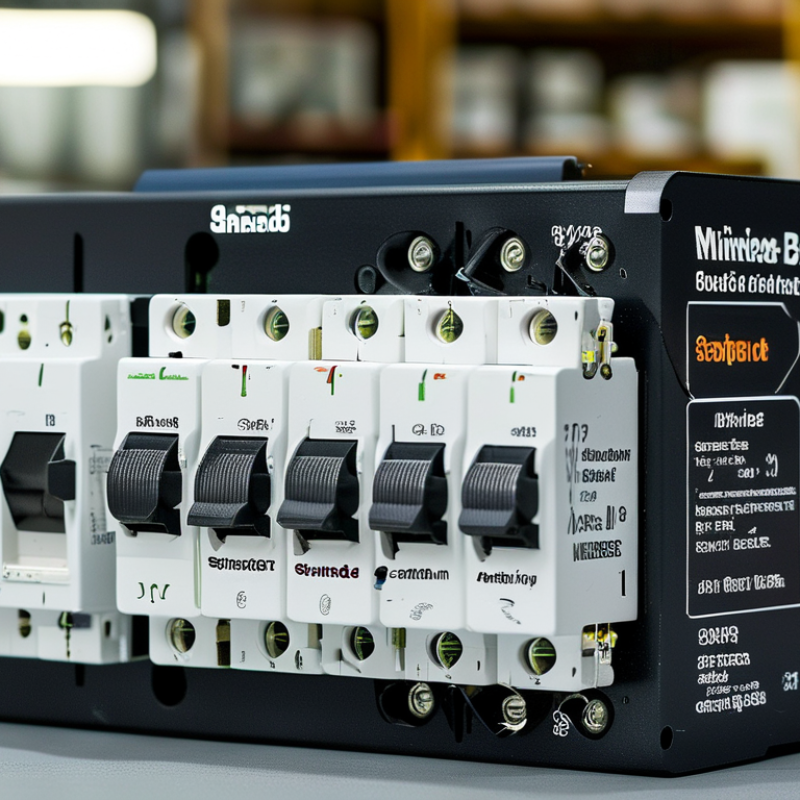
What Circuit Breakers Are and Why Brand Choice Matters
What Circuit Breakers Are and Why Brand Choice Matters
A circuit breaker is an automatic safety switch. It interrupts current when overloads or short circuits create dangerous heat. Unlike a fuse, it can usually be reset after inspection. In a crowded distribution cabinet, that difference saves time, but it does not remove the need for testing. IEC 60898-1 covers many household and similar installations, while IEC 60947-2 addresses industrial low-voltage circuit breakers. Selecting products against the correct standard matters more than choosing familiar packaging.
Demand is becoming harder to manage. The International Energy Agency’s Electricity 2024 report projects global electricity demand growth of about 3.3% annually from 2024 through 2026. More loads mean greater pressure on protection systems. A reliable manufacturer should provide verifiable test reports, breaking-capacity data, temperature derating curves, and traceable production records. These details show how a device may perform beside hot busbars, frequent motor starts, or unstable supply conditions. Marketing claims alone are weak evidence.
Look beyond price. Compare rated voltage, current, interrupting capacity, pole configuration, mechanical endurance, and accessory compatibility. Check local service capability too. A technically excellent breaker can become a poor purchase when replacement parts take months. I have seen specifications treated as decoration during procurement. That is a costly mistake. Verification should include sample testing, installation torque checks, and review by a qualified electrical professional. Even respected certification can be misunderstood when the application differs from the test conditions.
How to Evaluate Circuit Breaker Brands for Global Applications
Choosing a circuit breaker brand for global use requires more than comparing prices or catalog ratings. Start with the application: system voltage, frequency, fault current, enclosure temperature, altitude, and switching frequency. A breaker marked 400 V and 25 kA may perform differently in a dusty cabinet at 45°C. Check trip curves, short-circuit test evidence, insulation ratings, and coordination data for the complete installation.
Reliable manufacturers provide traceable test reports, clear technical drawings, and certificates accepted in the destination market. Verify whether the product meets relevant IEC, UL, or regional requirements, rather than trusting a logo on a brochure. Certification matters, but it does not prove every model suits your project. Ask for batch records, serial-number verification, factory inspection details, and documented quality controls. Small details reveal a lot.
Service capability is equally important. Confirm spare-part availability, replacement procedures, warranty limits, and response times across time zones. A low purchase price becomes expensive when a warehouse waits three weeks for a trip unit. I have seen buyers focus heavily on the breaker body and overlook auxiliary contacts, terminals, and compatible accessories. That mistake can delay commissioning. Compare lifecycle costs, not only unit prices. Also review supplier communication, because unclear answers about derating or fault interruption should slow the purchase. Better to pause than guess.
Comparing Product Range, Safety Standards, and International Availability
Global buyers should compare circuit breaker brands through product range, safety standards, and supply reliability. A practical portfolio may include miniature circuit breakers, molded-case breakers, residual-current devices, and air circuit breakers. It should also offer compatible auxiliary contacts, shunt trips, surge protection, and replacement accessories.
Safety evidence matters more than a polished catalog. Check test reports, certification numbers, rated voltage, interrupting capacity, and temperature limits. IEC 60898-1 often applies to household and similar installations, while IEC 60947-2 covers many industrial breakers. Some markets may require UL 489 or other national approvals. Certification must match the exact model, not merely the product family. That detail is easy to miss.
Field experience also reveals practical differences. I have seen panels delayed because a breaker was available, but its matching terminal shield was not. Ask about factory traceability, batch labeling, technical drawings, and documented quality controls. A broad range is not always better. It can create confusing substitutions. International availability depends on regional warehouses, authorized service channels, export packaging, and realistic lead times. Confirm whether spare units can arrive within weeks or several months. Check carefully. Currency changes, customs procedures, and local installer familiarity can affect the final cost. Product pages may look complete, yet an obsolete accessory can stop an otherwise compliant installation. Supplier claims deserve independent verification.
How Global Buyers Can Select the Right Circuit Breaker Brand
7 Best Circuit Breaker Brands for Global Buyers?
How Global Buyers Can Select the Right Circuit Breaker Brand
Choosing a circuit breaker brand requires more than comparing prices. Start with the installation conditions. Check the rated voltage, current, frequency, pole number, and short-circuit capacity. A residential panel may need different protection from a factory motor circuit. Small details matter.
Review the breaker’s trip curve and coordination data before ordering. Type B may suit light domestic loads, while Type C often handles moderate inrush current. Confirm the Icu and Ics ratings for the actual fault level. Also inspect temperature derating, enclosure compatibility, terminal size, and mounting dimensions. A product can meet a catalog rating but still perform poorly in a crowded, hot cabinet.
Global buyers should request test reports, conformity documents, batch traceability, and installation instructions in a usable language. Check whether the manufacturer offers technical support across time zones. Ask for sample units before approving a large shipment. Measure terminal torque and verify the trip mechanism under controlled testing. Do not rely on photographs alone.
Some buyers focus too heavily on brand recognition. That can be misleading. A familiar name may not provide the right configuration for every market. I have seen purchasing decisions change after one missing certificate or an incompatible rail mount. Supply consistency matters too. A reliable supplier should explain lead times, replacement parts, warranty limits, and inspection procedures clearly. No selection is perfect; even a well-tested breaker deserves a careful review of the real installation.