What Is the Best Cheese Equipment from China?
Choosing the best cheese equipment from China requires more than comparing prices or polished product photos. It demands careful attention to hygiene, material quality, production capacity, and after-sales support. Reliable equipment should use food-grade stainless steel, offer smooth welds, and allow easy cleaning around tanks, pipes, valves, and cutting tools. These details matter when milk is heated, stirred, pressed, and cooled repeatedly.
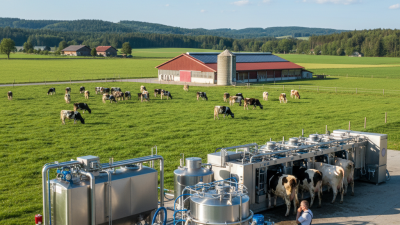
China has a broad manufacturing base for cheese equipment, including cheese vats, curd cutters, presses, stretching machines, cooling systems, and complete processing lines. Experienced buyers should examine factory capabilities, not only catalog descriptions. Ask for technical drawings, material certificates, factory videos, test records, and references from comparable dairy operations. A supplier with engineering support can help match the machine to cheese type, batch size, power supply, and available floor space.
Small details reveal a lot.
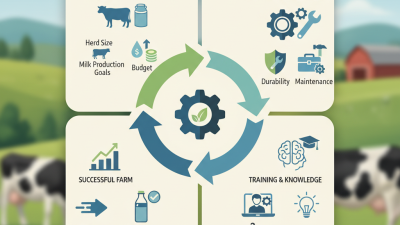
A dependable evaluation should include trial production whenever possible. Watch how evenly the vat heats, whether the agitator creates dead zones, and how quickly product-contact surfaces drain. Even strong suppliers may offer equipment that needs adjustment after installation. That is a useful reminder: no machine is perfect before real testing. Buyers should also confirm installation training, spare-part availability, warranty terms, and compliance with applicable food-processing requirements. This guide will compare practical cheese equipment options from China and explain which features deserve closer inspection. The best choice is not always the largest or cheapest machine. It is the system that performs consistently, supports safe production, and fits the operator’s real working conditions.
Types of Cheese Equipment Manufactured in China
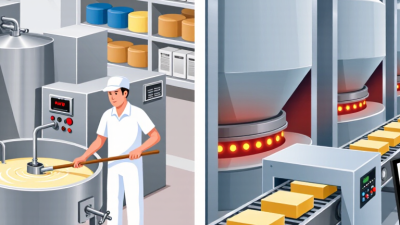
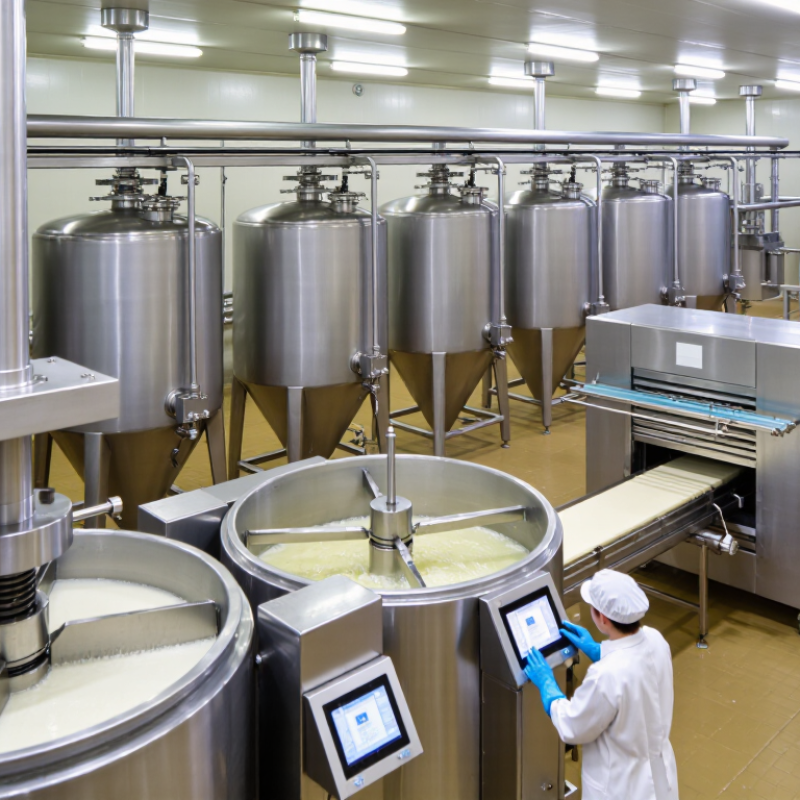
China manufactures a broad range of cheese equipment, from milk reception systems to cutting and packing lines. Common equipment includes pasteurizers, cheese vats, curd knives, whey separators, stretching machines, molding units, brining tanks, ripening rooms, and vacuum packers. Small factories often choose compact vats with manual controls. Large plants usually require automated dosing, cleaning-in-place systems, and continuous monitoring.
Market data supports this equipment diversity. The USDA Foreign Agricultural Service reported that China imported approximately 150,000 metric tons of cheese in 2023, showing sustained demand for processing capacity. Equipment makers therefore supply lines for soft cheese, processed cheese, mozzarella, and semi-hard varieties. A typical mozzarella line may include a 2,000-liter vat, automated curd cutting, hot-water stretching, and chilled molding. Temperature accuracy matters. A small deviation can change texture.
Hygienic design remains a practical concern. The Food and Agriculture Organization emphasizes sanitation, temperature control, and traceability in dairy processing. Stainless steel 304 is common, while 316 can suit more demanding environments. Operators should inspect welds, drainage, sensor calibration, and spare-part access before purchasing. Factory testing is useful, but it is not perfect. Real milk behaves differently from test water. Buyers should request production trials, cleaning validation records, and energy data rather than trusting capacity claims alone.
Key Features That Define High-Quality Cheese Machinery
What Is the Best Cheese Equipment from China?
Key Features That Define High-Quality Cheese Machinery
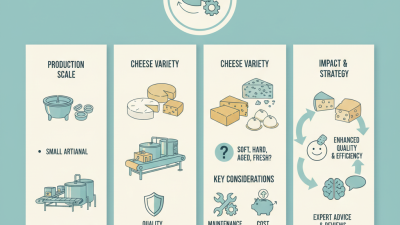
High-quality cheese machinery begins with hygienic construction. Food-grade stainless steel should cover product-contact surfaces. Welds must be smooth, sealed, and easy to inspect. Small gaps can trap milk residue. That detail matters. A reliable machine also supports stable temperature control. Accurate heating and cooling protect texture, moisture, and culture performance during production.
Practical testing reveals more than attractive specifications. Ask for trial records using milk with similar fat and protein levels. Check curd cutting accuracy, stirring speed, draining control, and pressing consistency. A well-designed system should reduce manual handling without removing useful operator control. Sensors need clear readings, while the control panel should remain simple during busy shifts. Complex automation is not always better.
Cleaning performance deserves equal attention. Effective CIP design can shorten sanitation time and reduce contamination risks. Confirm spray coverage, drainage, seal quality, and access to internal components. Equipment should also include traceable material certificates, electrical documentation, operating manuals, and responsive technical support. No machine is perfect. Some suppliers may promise more than their testing proves. Independent inspection and a supervised factory trial can expose those weaknesses before installation. Spare parts availability, training quality, and realistic maintenance intervals often determine long-term value more than the purchase price.
How to Select Equipment for Different Cheese Production Stages
What Is the Best Cheese Equipment from China?
Selecting cheese equipment from China should begin with the production stage, not the catalog price. Milk reception requires sanitary tanks, reliable filters, and accurate weighing systems. A pasteurizer needs stable temperature control, gentle product movement, and clear data records. Even a small temperature error can change the final texture.
During coagulation and cutting, choose cheese vats with adjustable agitators and clean cutting wires. These features help control curd size and moisture. For cooking, draining, and pressing, match the machine to your cheese style and daily output. Soft cheese may need gentle drainage tables, while firm cheese requires stronger presses and controlled pressure. Small batches need flexibility.
Brining equipment should provide even salt concentration and simple cleaning access. Aging rooms need stable humidity, airflow, and temperature control, rather than excessive automation. Packaging machines should protect the product without crushing delicate curds. Stainless steel 304 is common, while some acidic or salty applications may justify 316. Ask for material certificates, wiring diagrams, cleaning procedures, and factory acceptance tests. Confirm spare parts and technical support before payment.
A lower price can be useful, but hidden maintenance costs may appear later. I would test a sample batch before approving full production. That step takes time. It can also expose weak pumps, uneven heating, or difficult cleaning points. Equipment selection is never perfect, and production conditions may require adjustments after installation.
What Is the Best Cheese Equipment from China?
Select equipment according to the operating conditions of each cheese production stage. The chart shows representative temperature ranges commonly used in dairy processing; exact settings depend on cheese type, milk composition, and process design.
Comparing Chinese Suppliers, Materials, and Manufacturing Standards
What Is the Best Cheese Equipment from China?
Comparing Chinese suppliers requires more than checking price. The USDA Foreign Agricultural Service reported global cheese production above 23 million metric tons in its 2024 Dairy: World Markets and Trade report. That scale increases demand for reliable vats, curd cutters, presses, and filling systems. A capable supplier should provide food-contact certificates, weld records, and clear testing procedures. I prefer 304 stainless steel for many applications. For salty brine or aggressive cleaning, 316L may offer better resistance. However, material choice depends on temperature, acidity, and cleaning chemicals.
Manufacturing standards reveal practical differences. Hygienic equipment should follow principles from ISO 14159 and EHEDG guidance. Smooth internal surfaces matter. A surface roughness near Ra 0.8 micrometers is commonly specified for cleanable product zones. Ask for EN 10204 3.1 material certificates, weld inspection records, passivation details, and factory acceptance test results. Check dead legs, drainability, gasket access, and control-panel protection. The Global Food Safety Initiative emphasizes documented food-safety systems, but certification alone cannot prove good workmanship. I have learned to inspect photographs carefully. A polished weld can still hide poor penetration.
Tips: Request a sample weld, not only a catalog image. Confirm the steel grade with independent testing when possible. Compare cleaning time, water use, spare-part availability, and operator training. A cheaper machine may become expensive after repeated sanitation failures. No supplier is perfect. That includes carefully audited factories.