Best Medical Waste Sterilizer Solutions for Global Buyers?
In the healthcare sector, the management of medical waste is a crucial challenge. The increasing volume of waste generated by hospitals, clinics, and laboratories demands effective solutions. Among these solutions, the Medical Waste Sterilizer stands out as a pivotal technology. It ensures the safe disposal of potentially hazardous materials, protecting both public health and the environment.
The effectiveness of medical waste sterilizers varies based on design and operational efficiency. Buyers must navigate a broad market, often faced with conflicting claims about performance. It's essential to assess the reliability of manufacturers. Many present their products' advantages through marketing, but practical experiences can differ. Understanding these nuances is vital for informed purchasing decisions.
Moreover, the need for proper medical waste sterilization is more pressing than ever. Global health crises often amplify this urgency. Yet, many facilities remain under-equipped or uninformed about available solutions. Reflecting on past mistakes in waste management can lead to better choices today. Exploring diverse options in medical waste sterilizers can enhance safety and efficiency in waste handling practices.
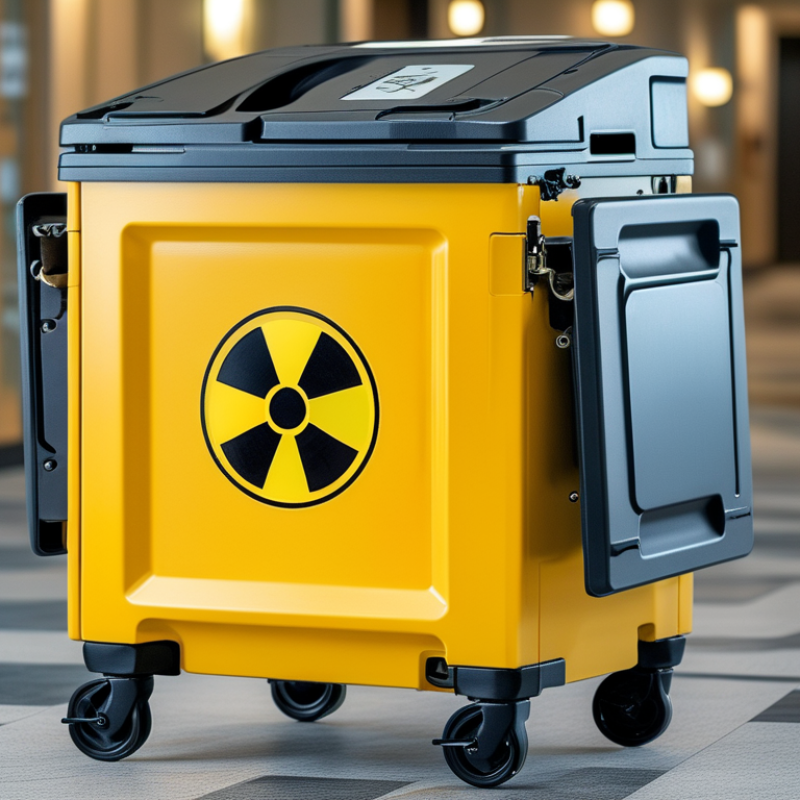
Understanding Medical Waste Sterilization: Importance and Methods
Medical waste sterilization is crucial for public health and safety. Medical facilities generate a variety of waste, including sharps, biological materials, and pharmaceuticals. Proper handling is essential to prevent infections and environmental harm. Effective sterilization methods can reduce the risks associated with such waste.
There are several techniques used for sterilizing medical waste. Autoclaving employs steam under pressure to kill pathogens. This method is widely recognized for its reliability. Incineration is another option, often used for hazardous waste. It eliminates waste by burning it at high temperatures. However, it may produce harmful emissions if not properly managed.
Understanding each sterilization method's pros and cons is vital. For instance, while incineration effectively reduces waste volume, it raises air quality concerns. Autoclaves, while safer, require regular maintenance. Choosing the right method involves weighing effectiveness against environmental impact. Continuous evaluation and innovation in these processes can lead to improved solutions for managing medical waste.
Global Medical Waste Sterilization Methods
Types of Medical Waste Sterilizers Available in the Market
Medical waste sterilizers are essential for healthcare facilities. They help ensure that hazardous waste is treated safely. Different types of sterilizers cater to various needs in the industry.
Autoclaves are commonly used. They utilize steam under pressure to sterilize waste. The high temperature effectively destroys pathogens, making waste safe for disposal. However, their operational costs can be significant. Regular maintenance is also crucial to prevent breakdowns.
Another option is microwave sterilization. This method uses microwaves to heat and vaporize waste, leading to effective sterilization. It's efficient but may not suit all waste types. Chemical sterilizers, using disinfectants, can also be viable. They are often more flexible but can involve handling hazards.
Understanding each method's strengths and limitations is vital. Reliable information helps in making informed decisions about the best option for waste management. Facilities should evaluate their specific needs, budget, and regulatory requirements before choosing a sterilization method.
Key Features to Consider When Selecting a Sterilizer
When selecting a medical waste sterilizer, several key features should be evaluated carefully. The type of sterilization method is crucial. Options often include autoclaving, chemical sterilization, and microwave technology. Understanding how each method interacts with different waste types is essential. Each method has unique advantages and limitations, particularly in terms of efficiency and environmental impact.
Another important factor is the capacity of the sterilizer. Facilities should assess their waste generation rates to choose a model that meets their needs. Small clinics may require compact units, while larger hospitals might need larger, batch-processing systems. Size plays a significant role in operational efficiency, and it can lead to downtime if not aligned with waste production levels.
Safety features are non-negotiable. Sterilizers should have robust safety mechanisms to protect operators. This includes temperature controls, pressure gauges, and emergency shut-off systems. Regular maintenance is crucial to ensure reliability. However, many facilities may overlook maintenance checks, leading to potential failures. It's vital to create a system for regular assessments and updates on equipment performance. Continuous training for staff on operational protocols further enhances safety and effectiveness.
Top Brands and Manufacturers for Global Buyers
Finding the right medical waste sterilizer is crucial for healthcare facilities worldwide. Various manufacturers offer solutions tailored to different needs. These devices help ensure safety and compliance with environmental regulations. Their performance and reliability can vary greatly.
Top brands usually focus on advanced technology. Many incorporate features like automatic loading, real-time monitoring, and efficient energy use. While these developments signal progress, there are still areas needing improvement. For instance, some designs may be too complex for staff training.
Global buyers often seek out suppliers who emphasize service and support. A user-friendly interface is essential for smooth operation. Additionally, availability of spare parts can critically impact long-term usability. Not all manufacturers meet these expectations, leading to challenges in maintenance and operation for some institutions.
Regulatory Standards and Compliance in Medical Waste Management
Medical waste management is a complex field. Compliance with regulatory standards is essential. Each country has specific laws to ensure public safety. Non-compliance can lead to severe penalties. This emphasizes the importance of understanding local regulations.
Medical waste sterilizers must meet various standards. These include the effectiveness of waste treatment and operator safety. Different methods exist, like autoclaving and chemical treatments. The chosen method should align with local guidelines. Each option has its pros and cons. Some might not completely eliminate all pathogens, which poses a risk.
Training staff is crucial. Employees must understand waste handling and sterilization procedures. Regular audits can help identify areas for improvement. Companies often overlook the importance of employee education. A lack of understanding can lead to mishaps in waste management practices. Learning and adaptation are ongoing processes.
Best Medical Waste Sterilizer Solutions for Global Buyers - Regulatory Standards and Compliance in Medical Waste Management
| Solution Type | Technology | Compliance Standards | Capacity (kg/hr) | Temperature Range (°C) |
| Autoclave | Steam Sterilization | ISO 13485 | 50 | 121 - 135 |
| Microwave | Microwave Technology | EPA Standards | 100 | 95 - 100 |
| Chemical | Chemical Sterilization | HAZMAT Regulations | 30 | Room Temperature |
| Plasma | Low-Temperature Plasma | FDA Guidelines | 20 | 30 - 60 |
| Incinerator | Combustion | WASTE Regulation | 500 | 800 - 1200 |