The Best Offset Printing Inspection Techniques for 2026?
In the ever-evolving landscape of printing, Offset Printing Inspection remains a cornerstone of quality assurance. According to a recent industry report, the global offset printing market is projected to reach $80 billion by 2026. This highlights the increasing demand for precise inspection techniques that ensure product integrity and compliance.
The consistent rise in consumer expectations further intensifies the need for effective inspection methods. As suppliers strive to meet these standards, advancements in technology play a crucial role. The integration of AI and machine learning is transforming Offset Printing Inspection, offering faster and more accurate results. However, challenges persist, such as the high initial investment for new inspection systems and the potential for skill gaps among operators.
While imperfections in current inspection practices are notable, they signal an opportunity for improvement. Addressing these issues will not only enhance product quality but also optimize operational efficiency. The industry must adapt to these changes, fostering a culture of continuous learning and innovation in Offset Printing Inspection.
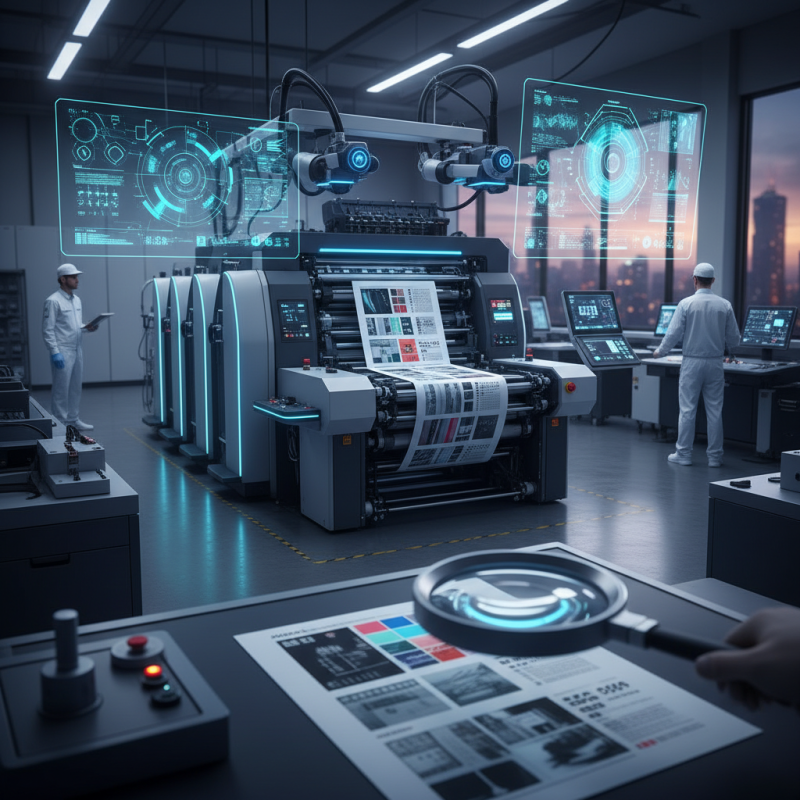
The Importance of Offset Printing Inspection in Modern Printing Processes
Offset printing inspection plays a crucial role in ensuring quality during modern printing processes. It involves various techniques to detect discrepancies such as color variations, registration issues, and print defects. As printing technology advances, these inspection techniques must evolve, focusing on automation and precision.
Implementing robust inspection systems can reduce costs and save time. Many printers still rely on manual checks, which might miss subtle issues. Advanced technologies, like inline inspection, offer real-time feedback. This can lead to immediate corrections, enhancing product quality. However, the reliance on technology brings challenges. Not all operators may be skilled in using new systems, leading to potential oversights.
Operators must also balance efficiency with thoroughness. In some cases, rushing can lead to missed flaws. A culture of attention to detail is essential. Continuous training and an emphasis on quality are necessary to adapt to rapidly changing demands in the printing industry. Remember, quality control is not just a step; it is an ongoing commitment to excellence.
Key Techniques for Effective Offset Printing Quality Control
In offset printing, quality control is crucial. Several techniques can help ensure high standards in 2026. Key methods include color matching, pressure adjustments, and regular machine maintenance. Focusing on these areas can significantly improve print quality.
Color matching is essential. Use a spectrophotometer for accurate measurements. This device helps in achieving consistent color across prints. It’s important to check colors regularly throughout the printing process. Adjustments may be necessary if results do not meet expectations.
Tips: Monitor ink viscosity closely. Too thick or too thin can cause problems. This affects color density and overall quality. Make sure to schedule routine machine checks. Equipment wear and tear can lead to unexpected issues.
Another technique involves monitoring pressure settings. Incorrect pressure can lead to blurriness in print. Operators should frequently test pressure settings and calibrate if needed. A systematic approach helps reduce errors. Quality issues can stem from a lack of attention to detail. This is an area worth reflecting on for continuous improvement.
Emerging Technologies for Offset Printing Inspection in 2026
As offset printing continues to evolve, emerging technologies are paving the way for more precise inspection techniques in 2026. Innovations in AI-driven quality control are becoming popular. This technology utilizes machine learning algorithms to detect flaws in real-time. According to recent industry reports, systems leveraging AI can identify up to 95% of defects, significantly reducing waste and reprints.
Another important area is the integration of augmented reality (AR). This allows operators to visualize quality metrics overlaying the actual print. Furthermore, data analytics tools are gaining traction. They provide insights into production patterns, leading to increased efficiency. Data shows that companies using advanced analytics improve their inspection accuracy by over 25%. However, these technologies require ongoing training and adaptation from staff. Many operators may struggle with the learning curve associated with new systems.
Despite these advancements, certain challenges remain. The initial investment in cutting-edge technology can be daunting. Additionally, not all companies can leverage these tools effectively. Many still rely on traditional inspection methods, which can lead to oversight. Balancing innovation with existing practices is crucial for optimal results in the printing industry.
Training and Best Practices for Quality Assurance in Offset Printing
Training for quality assurance in offset printing is essential. It ensures that prints meet industry standards. Recent studies show that 80% of print defects arise from human error. Proper training can significantly reduce this.
Implementing best practices is key to maintaining quality. Regular workshops for staff can improve skills and knowledge. Hands-on training in color management and print testing can lead to better outcomes.
Tip: Create a checklist for operators to follow during each print run. This simple step can help catch errors early.
Investing in technology is also crucial. Using automated inspection systems can detect issues faster than the human eye. However, human oversight remains vital. Training staff to interpret data from these systems is needed for a balanced approach.
Tip: Schedule regular reviews of inspection processes to identify areas of improvement. Reflect on past projects to learn from mistakes. Quality in offset printing is a continuous process requiring dedication and adaptability.
The Best Offset Printing Inspection Techniques for 2026
This chart illustrates the efficiency ratings of various offset printing inspection techniques predicted for 2026. The techniques include Visual Inspection, Electronic Measurement, Proofing, Quality Control Check, and Color Calibration, each aiming to ensure high quality in the offset printing process.
Future Trends in Offset Printing Inspection Methods and Tools
The field of offset printing inspection is evolving. Innovative technologies are transforming how quality control is approached. According to a recent report by Smithers Pira, the market for inspection systems is expected to grow by 7.2% annually until 2026. This growth reflects a shift towards more automated and precise inspection methods.
Machine vision systems are becoming the preferred choice. These systems can detect minute defects at high speeds, enhancing productivity. Plus, the integration of Artificial Intelligence (AI) allows for real-time adjustments. Yet, not all companies have the resources to implement such advanced solutions. Smaller operations face challenges in adopting these technologies.
Data analytics is another game-changer. By analyzing past production data, companies can anticipate issues before they occur. However, many still rely on traditional methods, leading to inefficiencies. Embracing modern techniques will be crucial for staying competitive. The future of offset printing inspection requires a blend of technology and strategic thinking. Companies must invest wisely to ensure quality and consistency.
The Best Offset Printing Inspection Techniques for 2026
| Inspection Technique | Description | Year of Introduction | Expected Accuracy (%) |
| AI-Powered Image Analysis | Utilizes machine learning algorithms to analyze print quality and detect defects. | 2026 | 98 |
| Automated Registration Control | Continuously monitors and adjusts printer registration for precision alignment. | 2025 | 95 |
| Spectral Color Measurement | Measures the spectral properties of colors to ensure they meet the desired standards. | 2024 | 97 |
| 3D Print Simulation | Simulates the final output in a virtual environment to identify potential issues before printing. | 2026 | 99 |
| Inline Ink Analysis | Checks ink density and viscosity during the printing process for real-time adjustments. | 2025 | 96 |