Choosing the right Oilfield Mud Pump is a practical decision, not a simple brand comparison. Global buyers must assess pressure stability, flow capacity, power efficiency, spare-part access, and field support. A pump that performs well in a shale basin may struggle in a remote desert operation. Small differences matter.
The International Energy Agency’s Oil 2024 report expects global oil demand to reach about 105.6 million barrels per day by 2029. That outlook supports continued drilling activity, although regional investment remains uneven. Grand View Research also estimates steady growth in the global oilfield services market through 2030. These figures suggest sustained equipment demand, but they do not guarantee equal purchasing conditions everywhere. Buyers still face shipping delays, currency pressure, and limited maintenance skills.
Drilling expert Adam T. Bourgoyne Jr. and his co-authors wrote, “The drilling fluid is the primary means of removing cuttings from the wellbore.” Their statement explains why pump selection affects more than circulation. It influences hole cleaning, pressure control, bit performance, and operational safety. This guide evaluates seven leading mud pumps through a buyer’s lens, including triplex and quintuplex designs, liner life, discharge pressure, certification, and lifecycle cost. No ranking fits every rig. That is the uncomfortable part. A lower-priced pump may become expensive when seals fail far from a service center. The best choice is usually the one that matches the well program, crew capability, and long-term support plan.
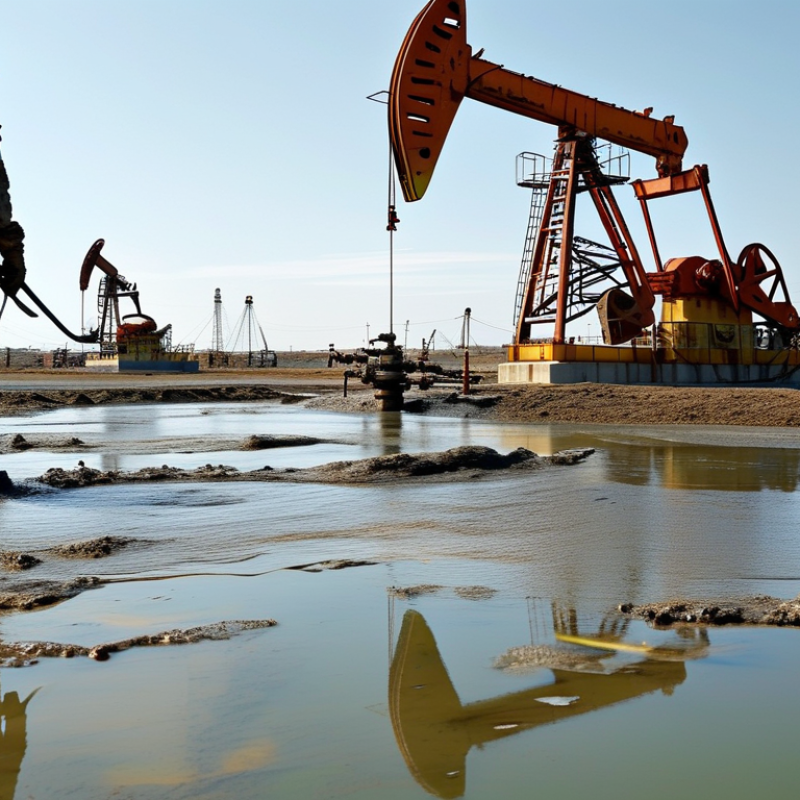
A high-performance oilfield mud pump is not defined by horsepower alone. It must deliver stable flow under changing formation pressure, abrasive solids, and long circulation cycles. The International Energy Agency’s Oil 2024 report projects global oil demand at 105.4 million barrels daily by 2030. That outlook keeps drilling efficiency important. Yet a larger pump is not automatically better. Poor hydraulic matching can waste power, increase pulsation, and accelerate liner wear.
Global buyers should examine discharge pressure, flow range, volumetric efficiency, and power-end load. API Spec 7K provides a recognized framework for drilling equipment design and safety. Ask for tested performance curves, not only catalog capacity. At the rig floor, monitor pressure stability while the pump moves weighted mud through a five-inch line. Small fluctuations matter. A practical acceptance test should record flow, pressure, vibration, oil temperature, and unplanned maintenance hours. These records reveal more than a showroom demonstration.
Material selection also matters. Hardened fluid-end components, replaceable liners, and accessible valves can reduce downtime in abrasive service. The U.S. Energy Information Administration’s Annual Energy Outlook 2023 treats capital and operating costs as key development factors. That makes lifecycle cost more useful than purchase price. The uncomfortable truth is that specifications can look excellent on paper. Field conditions may disagree. Neglected lubrication and incorrect valve timing can quickly reduce performance. The honest question is not, “How powerful is it?” It is, “How consistently can it work here?”
Seven Leading Mud Pump Models for International Buyers
International buyers need mud pumps that match formation pressure, rig layout, and service conditions. The seven leading models below represent practical choices for different drilling environments. A standard triplex pump offers balanced flow, strong pressure control, and familiar maintenance procedures. A high-pressure triplex model suits deeper wells and demanding circulation programs. Its fluid end requires careful inspection. A compact skid-mounted pump helps contractors working on limited platforms. It can reduce installation time and transport weight.
A duplex pump remains useful where simple design and accessible repairs matter. Its slower piston action may reduce wear, but flow pulsation can require additional dampening. An electric-drive model supports precise speed adjustment and cleaner indoor operations. It depends heavily on stable power quality. A variable-liner pump provides flexible flow rates without replacing the complete fluid end. This feature can improve operating efficiency during changing hole conditions. An offshore-duty model uses corrosion-resistant materials and reinforced sealing systems. Salt spray still exposes weak maintenance habits quickly.
From field inspections, reliable performance often depends more on setup than advertised capacity. Buyers should compare rated pressure, maximum flow, liner life, spare-part access, and technician training requirements. Metric and imperial fittings can create avoidable delays. Confirm them early. Noise, vibration, and washout protection also deserve attention during site evaluations. One overlooked issue is winterization. Seals and lubricants may behave poorly in cold regions. No model wins everywhere. A pump that performs well onshore may need different controls, coatings, or cooling arrangements offshore. Procurement teams should test service records against actual drilling conditions, not brochures alone.
Seven Leading Mud Pump Configurations for International Buyers
This comparison uses representative oilfield triplex mud-pump configurations. Flow rates are typical rated outputs at nominal operating speed, while pressure values reflect common maximum working-pressure classes. Actual performance depends on liner size, stroke length, pump speed, fluid properties, and operating conditions.
7 Best Oilfield Mud Pumps for Global Buyers
Key Specifications for Comparing Mud Pump Performance
Selecting among the seven best oilfield mud pumps requires more than reading a pressure rating. Field engineers should compare maximum pressure, flow rate, horsepower, and stroke frequency. These figures reveal whether a pump can maintain circulation during demanding drilling stages. A pump rated for 7,500 psi may not deliver stable performance at its highest load. Real operating margins matter.
Liner diameter and piston size directly affect displacement and maintenance needs. Larger liners can support higher flow, but they may increase wear and fluid consumption. Check the fluid-end design, valve arrangement, and pulsation control system. Smooth discharge protects hoses, drilling tools, and surface equipment. Noise and vibration also deserve attention. They often reveal problems before a pressure gauge does.
Efficiency is another practical measure. Compare power input with delivered hydraulic output under similar test conditions. Ask for inspection records, fatigue data, spare-part availability, and service support in the target region. A pump with a lower purchase price may create longer downtime. I have seen specifications look impressive while field performance remained uneven. That is worth questioning. Consider transport weight, skid dimensions, automation compatibility, and local electrical requirements. No single pump fits every basin, temperature range, or mud system.
Selecting an oilfield mud pump starts with the drilling program, not a product list. Estimate required flow, discharge pressure, mud density, and solids concentration. A triplex pump suits many deep drilling operations because it delivers steady flow at high pressure. A duplex pump may fit lower-speed work where simple maintenance and strong suction performance matter more. Pressure comes first.
Match the pump’s hydraulic capacity with the planned bit size and circulation rate. A pump running constantly near its maximum rating may suffer faster liner and valve wear. Leave a practical margin for pressure spikes, heavier mud, and changing formation conditions. For abrasive fluids, inspect fluid-end materials, liner design, valve access, and sealing quality. Small access panels can become a major problem during a night repair.
Power supply also changes the decision. Electric drives can support precise control, while mechanical drives may suit remote sites with established engine systems. Check spare-part availability, technician skills, transport limits, and local climate before approval. A compact pump is not always the easiest pump to operate. A neat spreadsheet can still mislead. Ask whether the crew can service it safely with available tools. Then compare lifecycle cost, not only purchase price. Reliability is measured in productive circulation hours.
For global buyers, choosing among the seven best oilfield mud pumps starts with compliance, not brochure output. In field procurement, I check pressure ratings, flow stability, material traceability, and test records. A pump may meet a regional standard yet fail a project’s import or site requirements. Ask for current certificates, inspection reports, manuals, and a clear list of exclusions. Keep documents matched to the exact configuration. Small differences matter. A liner size can change pressure, power demand, and spare-part needs.
Service capability often decides whether a pump earns its cost. Confirm response times, technician coverage, training, and spare-parts storage near the operating region. Request a sample maintenance schedule with valve, piston, liner, and fluid-end inspection intervals. During a real shutdown, a remote diagnosis call is useful, but it cannot replace skilled hands and available parts. Check language support and escalation routes before signing. I have seen buyers focus on purchase price, then discover that one delayed seal kit stopped a drilling campaign. That assumption deserves more skepticism.
Total cost should include energy use, freight, duties, installation, consumables, planned rebuilds, and downtime exposure. Compare cost per operating hour, not only the invoice. Ask for performance data under your expected mud density and pressure. Verify warranty limits, acceptance testing, and what voids coverage. A lower-cost pump can become expensive when its parts are custom or its service network is thin. Conversely, an expensive unit is not automatically safer. Build a five-year cost model, then challenge its optimistic assumptions. Leave room for difficult weather, delayed vessels, and imperfect maintenance records.
Comparative purchasing table based on commonly specified industrial drilling-pump configurations. Performance figures are typical selection ranges; final values must be confirmed against the manufacturer’s certified datasheet, drilling program, and local regulatory requirements.
| Pump Configuration | Typical Rating | Maximum Pressure | Typical Flow Range | Power Requirement | Recommended Application | Key Compliance Checks | Service and Spare-Parts Priorities | Indicative Total-Cost Position |
|---|---|---|---|---|---|---|---|---|
| Triplex, 1,000 hp class | Three-cylinder positive-displacement pump | 5,000 psi / 34.5 MPa | Up to approximately 1,200 gpm / 4,540 L/min | About 1,000 hp / 746 kW input | Land rigs, medium-depth drilling, and general-purpose circulation | API Spec 7K where specified; pressure-containing parts, relief system, guards, welding records, and hydrostatic test documentation | Fluid ends, liners, pistons, valves, seats, expendable seals, lubrication system, and local technician availability | Medium Balanced acquisition cost, capacity, and maintenance access |
| Triplex, 1,600 hp class | Three-cylinder high-pressure drilling pump | 7,500 psi / 51.7 MPa | Approximately 1,500–1,800 gpm / 5,680–6,810 L/min | About 1,600 hp / 1,193 kW input | Deep land wells, high-density drilling fluids, and demanding directional programs | API Spec 7K or project-equivalent requirements; certified pressure tests, fatigue-critical parts, relief valves, and traceability | Fast access to fluid-end modules, power-end bearings, crosshead parts, expendable kits, and field-service support | Medium to high Higher throughput can reduce circulation time but increases maintenance exposure |
| Triplex, 2,200 hp class | Three-cylinder high-output pump | 7,500 psi / 51.7 MPa; higher ratings require project approval | Approximately 1,800–2,200 gpm / 6,810–8,330 L/min | About 2,200 hp / 1,641 kW input | High-rate drilling, large hole sections, and high-solids or high-density mud programs | API 7K verification, drive-train sizing, pulsation dampener certification, pressure testing, and electrical compliance for the rig package | Inventory of liners, pistons, valves, seats, dampener bladders, bearings, and lifting tools; strong overhaul capability is essential | High Best where high flow offsets the higher energy, transport, and overhaul cost |
| Duplex, 1,000 hp class | Two-cylinder positive-displacement pump | 5,000 psi / 34.5 MPa | Approximately 700–1,100 gpm / 2,650–4,160 L/min | About 1,000 hp / 746 kW input | Workover, well servicing, shallow drilling, and applications requiring robust suction handling | API 7K when used in applicable drilling service; check cylinder, liner, valve, relief, and frame documentation | Large-diameter piston and liner availability, valve access, packing kits, crankshaft inspection, and simple field repair procedures | Low to medium Often attractive for simpler service environments and lower initial complexity |
| Triplex, 750 hp class | Compact three-cylinder pump | 5,000 psi / 34.5 MPa | Approximately 500–850 gpm / 1,890–3,220 L/min | About 750 hp / 559 kW input | Compact land rigs, mining exploration, slim-hole drilling, and lower-flow operations | Confirm API 7K applicability, skid lifting points, pressure-vessel documentation, noise limits, and regional electrical requirements | Compact spare-parts kits, accessible fluid-end design, low-temperature seals where required, and remote technical support | Low to medium Lower logistics and power costs; confirm that flow reserve is adequate |
| Electric-drive triplex, 1,600 hp class | Three-cylinder pump with variable-speed electric drive | 5,000–7,500 psi / 34.5–51.7 MPa, depending on fluid end | Approximately 800–1,700 gpm / 3,030–6,440 L/min | About 1,600 hp / 1,193 kW motor input | Electrified rigs, automated drilling systems, and sites prioritizing controllability and reduced engine emissions | API 7K for the pump package; IEC or equivalent motor requirements, hazardous-area classification, EMC, grounding, and variable-frequency-drive certification | Motor and drive diagnostics, compatible control-system spares, fluid-end kits, commissioning support, and trained electrical technicians | Medium to high Potentially lower fuel and maintenance cost where reliable electrical infrastructure exists |
| Containerized offshore triplex, 1,600 hp class | Packaged three-cylinder pump for offshore deployment | 5,000 psi / 34.5 MPa | Approximately 900–1,600 gpm / 3,410–6,060 L/min | About 1,600 hp / 1,193 kW input | Offshore drilling, modular rigs, marine support units, and projects with restricted deck space | API 7K where specified; marine or offshore structural approval, lifting certification, fire and gas interface, hazardous-area requirements, and corrosion protection | Sealed or protected controls, offshore corrosion-resistant materials, lifting and preservation plans, remote diagnostics, and guaranteed spare-parts lead times | High Packaging and logistics cost more, but standardized modules can shorten installation time |
| Global purchasing note: Compare the complete life-cycle cost rather than the pump-only quotation. Include freight, import duties, commissioning, installation, power consumption, planned maintenance, expendable parts, emergency stock, inspection, overhaul, training, warranty response time, and end-of-life disposal. Compliance should be verified against the drilling contractor’s specification and the destination country’s safety, electrical, pressure-equipment, environmental, and lifting regulations. | ||||||||
+44 (0)1373 831 373