Top 10 Book Printing Inspection Tips Every Publisher Should Know?
In the competitive world of publishing, ensuring quality is paramount. Book Printing Inspection is an essential step in this process. According to the Print Industries of America, up to 30% of printed materials may contain errors, leading to costly reprints. Publishers must prioritize inspection to avoid these pitfalls.
Every successful publisher knows the importance of meticulous quality checks. A recent survey revealed that 45% of consumers notice print quality issues. This percentage can impact sales and reputation. Therefore, understanding effective inspection techniques can make a significant difference.
Visual discrepancies, such as color variations, often go unnoticed until it’s too late. Inadequate inspection can also lead to typography errors that affect readability. These overlooked details can result in dissatisfied readers. Publishers should continuously improve their inspection processes and reflect on past mistakes. A commitment to excellence in Book Printing Inspection not only enhances product quality but also builds brand trust.
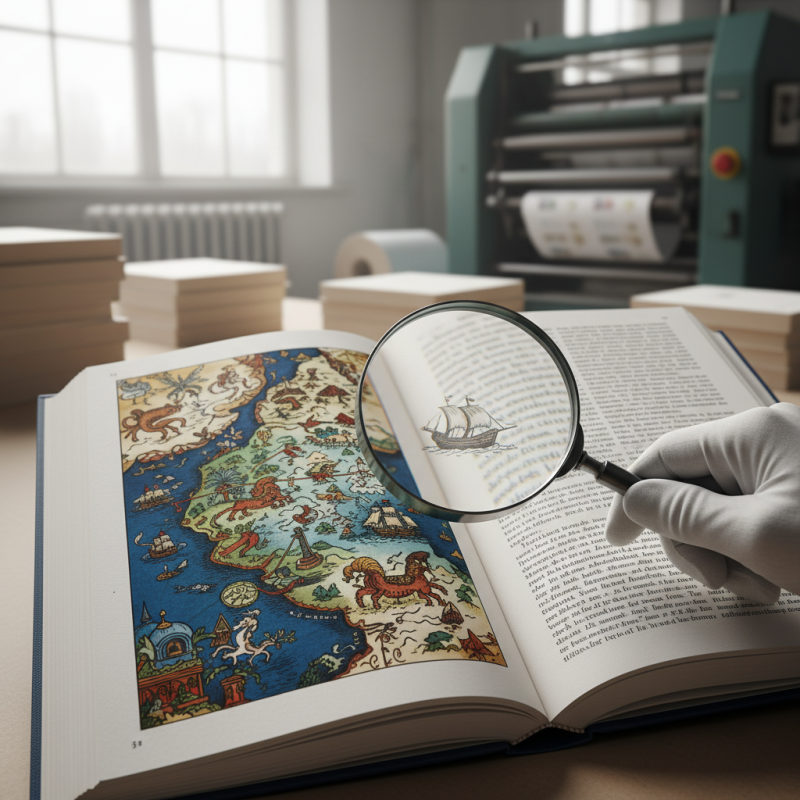
Essential Pre-Printing Checks for Quality Assurance
Pre-press checks are vital for any publisher. A recent survey revealed that 78% of printing errors stem from inadequate pre-printing inspections. Quality assurance starts well before the first page is printed. This includes reviewing design files thoroughly. Missing bleeds, incorrect color profiles, or misaligned text can all lead to disappointing results. Prioritizing these checks can significantly reduce costly reprints.
Another crucial step is verifying paper quality. Many publishers overlook it, yet the right paper affects print quality. According to industry standards, using subpar paper can reduce image clarity by 30%. Additionally, inspect your printer’s calibration. Even top-notch printers can falter if not properly set up. A mere slight miscalibration can distort colors and ruin a publication's look.
Many publishers also forget to assess binding methods. The right choice ensures durability, while the wrong one may lead to easy wear and tear. It’s not unusual for even seasoned printers to also neglect these aspects, resulting in unexpected issues post-production. Addressing these areas early can save time and resources in the long run, preventing unwelcome surprises.
Understanding the Different Stages of Book Printing Inspection
Book printing involves several stages, each requiring careful inspection. The pre-press stage is crucial. Art files must be checked for resolution and color profiles. A report from the Printing Industries of America indicates that 35% of printing errors stem from file preparation. This can lead to wasted materials and time if not addressed.
The printing stage is another critical point. Colors can shift during the printing process. Regular color calibration is key. Industry standards recommend checking color accuracy at least every 200 copies. Ignoring this can result in unsatisfactory products.
Post-press inspection also holds significance. Binding issues often go unnoticed until the end. A survey shows that 20% of books face binding defects. These problems can impact the book's durability. Disregarding these stages may compromise overall quality. Each step deserves attention to guarantee a polished final product.
Key Factors to Evaluate During the Inspection Process
When inspecting book printing, several factors are crucial. Quality, consistency, color accuracy, and binding integrity should be evaluated. According to industry standards, 70% of publishing issues arise from poor print quality. This statistic highlights the importance of meticulous inspections.
Tip: Conduct visual inspections regularly. Check for color mismatch and alignment errors. Any minor discrepancies can affect the overall impression of the book. Inspecting a sample from each batch can save time and costs in the long run.
Another key aspect is the paper quality. Different types of paper affect durability and appearance. A report from the Print Industries Association states that 30% of print defects are linked to paper issues. Use the right weight and finish for your project.
Tip: Test your paper before full production. Conduct a tactile inspection to ensure it meets quality standards. Unpleasant textures can deter readers. Strive for perfection, but accept that imperfections may occur. Reflect on your findings after each inspection to improve your future processes.
Common Printing Flaws and How to Identify Them
When it comes to book printing, identifying common flaws is essential for publishers. One common issue is color inconsistency. Sometimes, colors appear differently on printed pages versus on screens. This can be particularly frustrating when a specific palette is crucial. Conduct a side-by-side comparison with your original design to catch any discrepancies.
Another frequent problem is blurriness in images. Whether due to low-resolution files or printing errors, blurry images can ruin a reader's experience. Always check the resolution specifications and ensure that images are sharp before printing. A quick inspection can save a lot of headaches later on.
Print alignment is another aspect that often slips through the cracks. Pages may not align properly, leading to unsightly margins. This flaw is sometimes overlooked, but it can make a book look unprofessional. It’s important to monitor the proofs closely for any misalignment, and to discuss adjustments with the printing team.
Tips for Effective Communication with Your Printing Partner
Effective communication with your printing partner is crucial. Start by establishing clear expectations. Discuss timelines and deadlines in detail. This avoids misunderstandings later. Make sure both parties agree on the project scope. Lack of clarity can lead to disappointment.
Regular updates are essential. Schedule meetings or check-ins throughout the process. This not only builds trust but also helps address issues promptly. If something goes wrong, tackle it together. For instance, minor color discrepancies can snowball into larger problems if ignored. Document everything, too. A paper trail can clarify responsibilities.
Remember to listen. Your printing partner may have insights that can improve the final product. Be open to suggestions about materials or techniques. Sometimes ideas may sound unconventional but can yield amazing results. Reflect on your past experiences with printing projects, too. What worked well? What didn’t? This self-assessment can strengthen future collaborations.
Top 10 Book Printing Inspection Tips