How to Use Brown Paper for Sustainable Packaging Solutions?
In today’s environmentally conscious world, finding sustainable packaging solutions is crucial. Brown Paper emerges as a versatile choice. Known for its durability and biodegradability, it reduces the dependency on plastic. Businesses and consumers alike are exploring how to implement brown paper effectively.
Using brown paper can illustrate a commitment to sustainability. It's accessible and cost-effective for various applications. From wrapping delicate items to creating eco-friendly bags, its potential is vast. However, challenges exist. Not all brown paper is created equal; quality and sourcing matter. Selecting the wrong type can hamper its effectiveness.
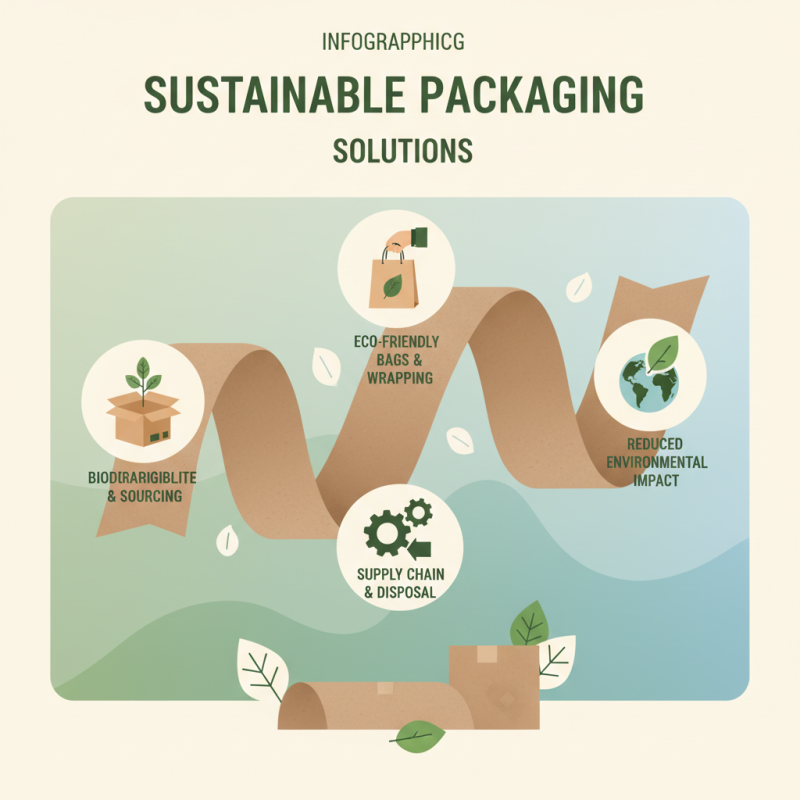
Adopting brown paper for packaging requires thoughtful consideration. Understanding the supply chain and ensuring proper disposal options are essential. With the right approach, brown paper can play a significant role in reducing environmental impact. Embracing this material is a step toward a greener future.
Understanding Brown Paper as a Sustainable Packaging Material
Brown paper has emerged as a popular choice for sustainable packaging. Its production process is typically less harmful to the environment compared to plastic options. Many brown papers are made from recycled materials, reducing waste in landfills. The biodegradable nature of brown paper allows it to decompose naturally, which is a significant advantage over synthetic materials.
Using brown paper can create a unique aesthetic. Its rustic appearance often appeals to eco-conscious consumers. However, not all brown paper is created equal. Some products may contain harmful inks or coatings that compromise their sustainability. It’s crucial to choose uncoated and soy-based ink options to maintain the eco-friendly aspect.
One potential drawback of brown paper is its durability. While it can be strong, it may not hold up under wet or excessive weight conditions. This limitation prompts a need for creativity in design and application. For instance, using twine or string instead of plastic tape can enhance the packaging while staying sustainable. The key lies in understanding where brown paper fits best in your packaging strategy.
How to Use Brown Paper for Sustainable Packaging Solutions? - Understanding Brown Paper as a Sustainable Packaging Material
| Dimension | Description | Sustainability Benefit | Common Applications |
| Material Type | Unbleached kraft paper | Biodegradable and compostable | Wrapping, bags |
| Weight | 40-80 gsm | Lower resource consumption in production | Gift wrapping, packaging
materials |
| Source | Recycled paper or sustainably sourced wood pulp | Reduces deforestation, promotes recycling | Shipping boxes, cartons |
| Barrier Properties | Moderate moisture barrier | Suitable for food packaging | Food bags, bakery boxes |
| Customization | Easily printable for branding | Promotes business identity with eco-friendly image | Custom bags, wrappers |
The Environmental Benefits of Using Brown Paper for Packaging
Brown paper is gaining popularity as a sustainable packaging solution. The Environmental Paper Network reports that using brown paper can reduce greenhouse gas emissions by up to 74% compared to plastic packaging alternatives. This is significant in light of the ongoing climate crisis. The lifecycle of brown paper also involves less energy consumption during production processes, contributing to its sustainability profile.
Moreover, brown paper is biodegradable and recyclable. According to a study by the European Commission, paper recycling rates have reached around 72%. This means that a substantial amount of brown paper can re-enter the production cycle, minimizing waste. It provides a different option for businesses aiming to meet ecological standards while ensuring product safety.
Despite these benefits, not all brown paper is produced equally. Consumers must be aware of sourcing practices. Some companies still rely on unsustainable wood sources. This reflection is essential as it highlights the need for stricter regulations and certifications in the paper industry. Users should look for certified sustainable options to maximize environmental benefits.
Step-by-Step Guide to Creating Custom Brown Paper Packaging
Creating custom brown paper packaging can be both sustainable and enjoyable. Start by gathering materials like recycled brown paper, scissors, and biodegradable tape. It feels good to use paper that contributes to a healthier planet. Cutting the paper to your desired dimensions is the first step. Keep in mind that imperfections can add character to your packaging.
Next, fold the paper carefully to create a box or bag shape. Use simple designs like folds and cuts rather than complex techniques. Each time you create, reflect on what works and what doesn’t. This practice can lead to better designs in the future. Add personal touches with stamps or natural twine, enhancing both aesthetics and sustainability.
Lastly, secure the packaging using biodegradable tape. Remember that the look of the finished product may not always be perfect, and that’s okay. Embrace the learning process. This is about finding joy in sustainable choices. Each piece of custom packaging tells a story and reflects commitment to the environment.
Best Practices for Sourcing and Using Brown Paper Sustainably
Choosing brown paper for sustainable packaging requires thoughtful sourcing and usage practices. It’s essential to select paper sourced from responsibly managed forests. Certifications such as FSC can guide you in finding trustworthy options. Look for suppliers who prioritize environmental stewardship. Supporting local producers can further reduce your carbon footprint while boosting community economies.
Using brown paper effectively is equally important. Explore creative ways to repurpose it, rather than discarding it after one use. Consider crafting reusable bags or decorative wrapping. This approach fosters a culture of sustainability. However, not all brown paper is created equal. Some may lack durability or be treated with harmful chemicals, which can undermine its eco-friendly appeal. Evaluate the paper's quality and its lifecycle impact to truly champion sustainability.
Brown Paper Usage for Sustainable Packaging Solutions
This chart illustrates the percentage of various types of brown paper used in sustainable packaging solutions, highlighting their popularity and effectiveness.
Innovative Ideas for Reusing Brown Paper in Packaging Solutions
Brown paper is gaining popularity in sustainable packaging solutions. Its versatility makes it an ideal choice for various applications. Many businesses are now exploring innovative ways to reuse brown paper, enhancing both cost-efficiency and environmental sustainability. According to the Environmental Paper Network, recycling paper reduces carbon emissions by up to 60%. This encourages companies to reconsider their packaging strategies.
One creative approach involves transforming used brown paper into decorative packaging alternatives. Brown paper can be rolled, folded, or cut into strips to create unique gift wraps or eco-friendly bags. Additionally, companies can use brown paper as void fill, which minimizes waste and the need for plastic materials. Studies show that 40% of consumers prefer eco-friendly packaging, pushing brands to rethink their materials.
However, not all brown paper is created equal. Some options contain coatings that hinder recyclability. It is crucial for businesses to choose uncoated or biodegradable brown paper to ensure a lower environmental impact. This aspect is often overlooked, leading to unintended waste. As the industry evolves, finding reliable sources and ensuring quality control will be vital for brands seeking sustainable packaging solutions.