China Top Fruit Machinery Innovations Transforming the Agricultural Landscape?
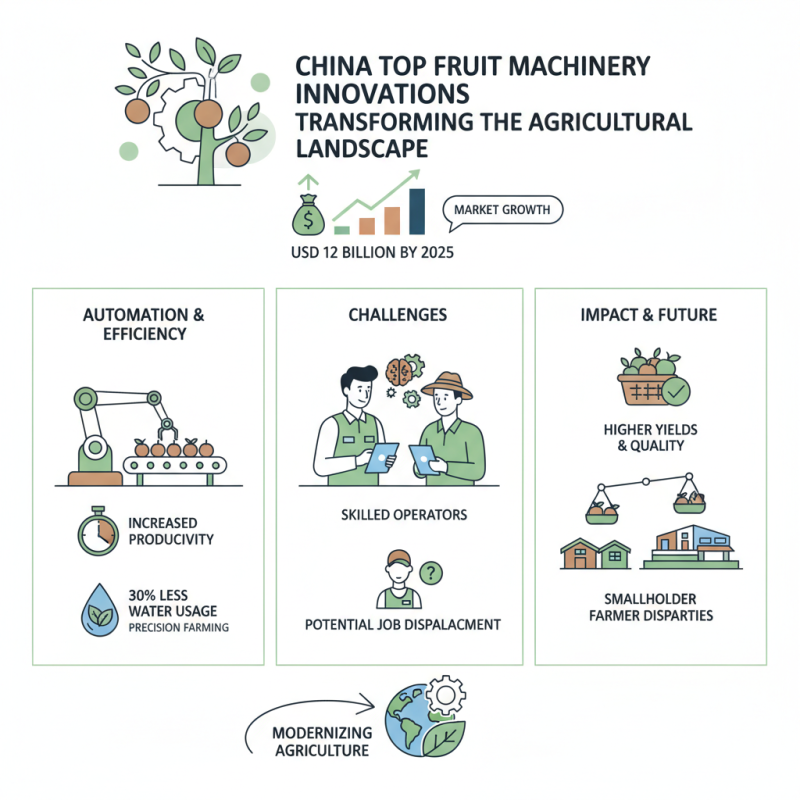
The agricultural landscape in China is undergoing a major transformation, particularly in the realm of fruit machinery. According to the China Agricultural Machinery Industry Association, the market for fruit machinery is expected to grow significantly, reaching USD 12 billion by 2025. This growth reflects a broader trend toward increased automation and efficiency in the sector.
Innovations in fruit machinery are not just about productivity; they also address sustainability. For instance, advanced technologies like precision farming can reduce water usage by up to 30%. Yet, the rapid evolution brings challenges, such as the need for skilled operators and potential job displacement in traditional farming roles.
Stakeholders must consider these complexities. While the technology promises higher yields and improved quality, the implementation may lead to disparities among smallholder farmers. Addressing these issues will be crucial as China continues to modernize its agricultural practices through innovative fruit machinery.
Advancements in Fruit Machinery: An Overview of Key Innovations
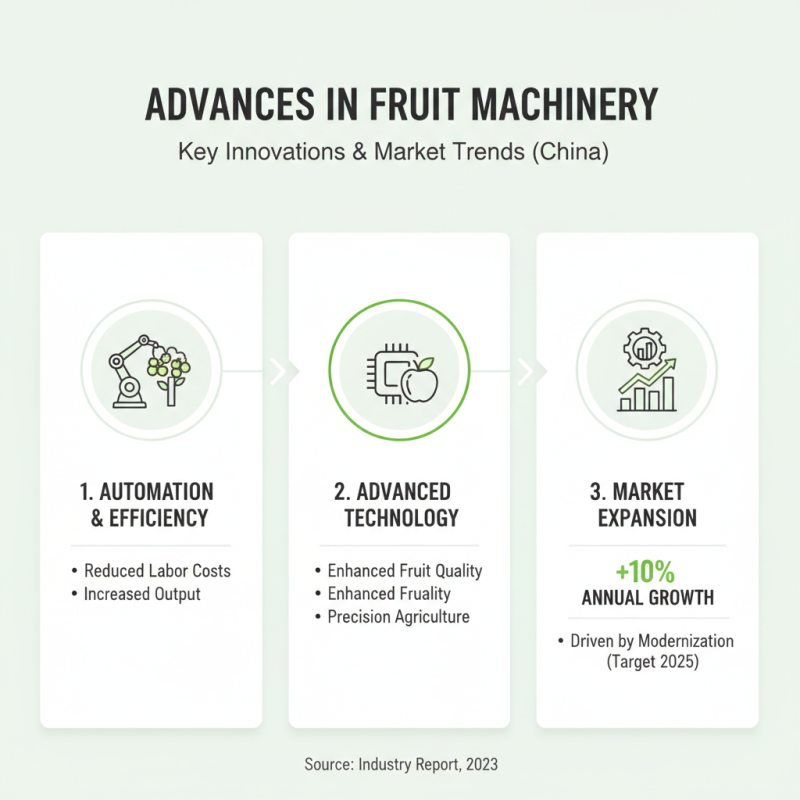
The agricultural landscape in China is rapidly changing due to innovations in fruit machinery. Recent data shows that the fruit machinery market is expected to grow by over 10% annually until 2025. This growth is driven by increasing automation and advanced technology. Farmers are adopting machines that improve efficiency, reduce labor costs, and enhance fruit quality.
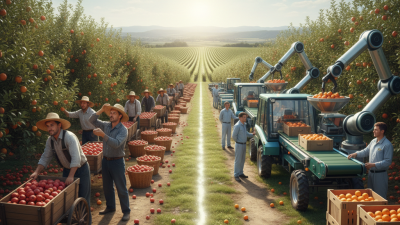
One significant innovation is smart harvesting technology. These machines can identify ripe fruits using AI and machine vision. This technology minimizes waste and ensures timely harvesting. Moreover, precision irrigation systems have gained popularity. These systems use sensors to monitor soil moisture. This helps optimize water use, which is crucial in regions facing water scarcity.
Despite these advancements, challenges remain. Many farmers struggle to adopt new technologies due to high initial costs. Additionally, there is a gap in training for operating these advanced machines. Such obstacles can limit the full potential of these innovations. Addressing these issues will be essential for future success in transforming China's agricultural practices.
Sustainable Practices in China's Fruit Machinery Development
China is undergoing significant changes in its agricultural sector, particularly in fruit machinery development. Sustainable practices have become a key focus, driving innovation and efficiency. By integrating eco-friendly technologies, farmers are able to reduce waste and improve productivity. These advancements emphasize the importance of resource conservation in agriculture.
Many farmers are adopting precision agriculture tools. These tools allow for better monitoring of soil health and moisture levels. With real-time data, growers can make informed decisions and optimize resource use. Additionally, energy-efficient machinery minimizes carbon footprints. However, some farmers struggle with the transition due to costs and a lack of training.
The impact of these innovations extends beyond the fields. Sustainable fruit machinery fosters healthier ecosystems. Efforts to use biodegradable materials and reduce chemical usage are commendable, but challenges persist. It is essential to balance modern technology with traditional practices. This ongoing evolution in China's agricultural landscape reveals both opportunities and obstacles within the pursuit of sustainability.
Case Studies of Innovative Fruit Machinery Transforming Farms
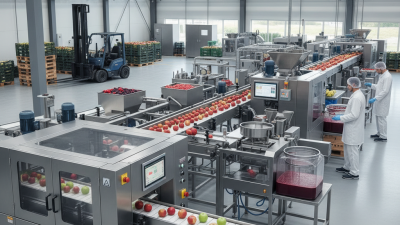
Innovative fruit machinery is reshaping agriculture in China. Case studies reveal farmers turning to advanced equipment to improve efficiency. One instance highlights a fruit sorting machine that uses artificial intelligence. This technology assesses fruit size and quality, speeding up the sorting process. Farmers save time and reduce waste, yet the initial investment can be daunting.
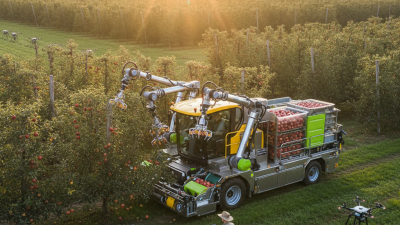
Another noteworthy development is the introduction of automated harvesters. These machines are designed for delicate fruits like apples and pears. They minimize damage while picking, a common issue with manual labor. However, some farmers raise concerns about the reliability of these machines in varying weather conditions. Technical malfunctions could lead to losses.
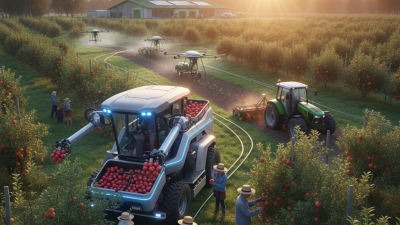
Drones also play a key role in modern fruit farming. These devices monitor crop health and pinpoint pest infestations. Farmers can target their treatments more effectively, reducing chemical use. However, the learning curve for drone technology can be steep. Some farmers feel overwhelmed by the constant changes in technology and struggle to keep up.
Future Trends in Agricultural Technology and Fruit Machinery in China
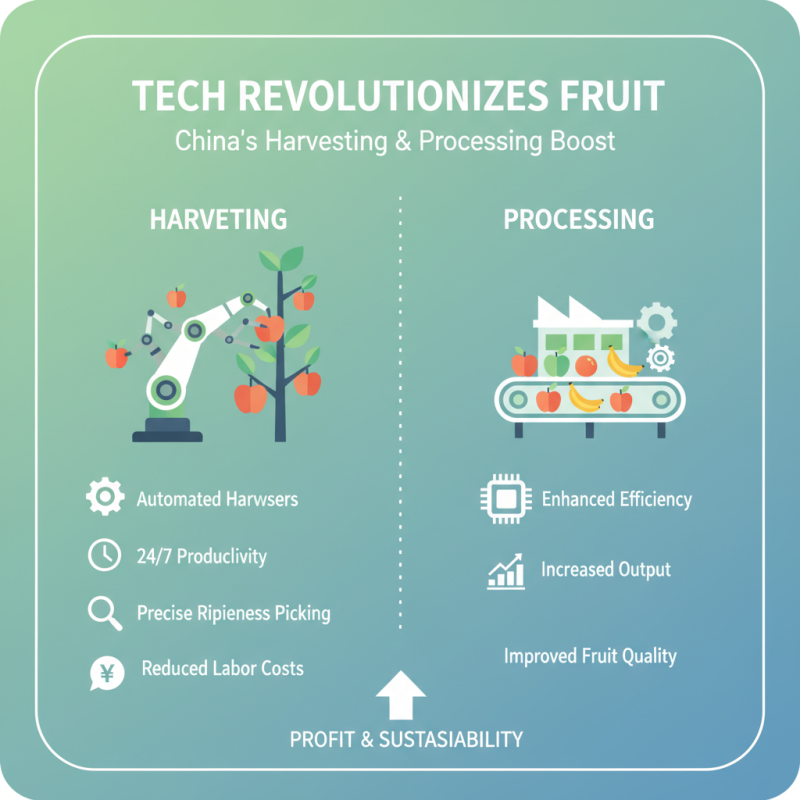
China is witnessing a significant shift in agricultural practices through innovative fruit machinery. These advancements enhance efficiency and productivity for farmers. For instance, automated fruit picking machines are not only saving labor costs but also improving harvest quality. These machines utilize advanced sensors to identify ripe fruits, ensuring optimal yields.
Moreover, precision agriculture is becoming a trend in China's fruit production. Technologies like drones and soil sensors help farmers monitor crop health. This data-driven approach allows for better resource management and reduced waste. However, the dependency on technology poses questions about data security and the skills needed to operate advanced machinery.
Farmers must adapt to new tools while maintaining traditional practices. Balancing innovation with established methods is crucial. This transition requires ongoing training and support for the agricultural workforce. Embracing change can create opportunities, yet it also presents challenges that must be addressed for sustainable growth.
China's Fruit Machinery Innovations: Adoption Rates by Sector
This chart illustrates the adoption rates of key innovations in fruit machinery within China. The data indicates a strong trend towards sustainable practices and automation, which are transforming the agricultural landscape.