Why Choose a Dehumidifier Unit for Your Home?
The importance of a Dehumidifier Unit in modern homes cannot be overstated. High humidity levels can lead to various problems, including mold growth and respiratory issues. According to the U.S. Environmental Protection Agency, maintaining indoor humidity between 30% and 50% can significantly enhance air quality. In fact, homes without proper dehumidification often experience higher incidences of health issues.
In addition, recent data reveals that about 40% of U.S. households struggle with excessive humidity, particularly in basements and crawl spaces. A potent Dehumidifier Unit can mitigate these risks by efficiently removing moisture from the air. The market for dehumidifiers has been expanding, with projected growth reaching $1.8 billion by 2026. This reflects increasing awareness of the health benefits associated with maintaining optimal humidity levels.
However, not all dehumidifiers are created equal. Choosing the right unit involves evaluating factors like capacity, energy efficiency, and noise levels. Perhaps, some consumers overlook these details, resulting in less effective moisture control. Understanding these nuances is crucial for enhancing indoor comfort and protecting your home. Properly selecting a Dehumidifier Unit can make a significant difference and contribute to a healthier living environment.
Understanding Humidity and Its Effects on Your Home
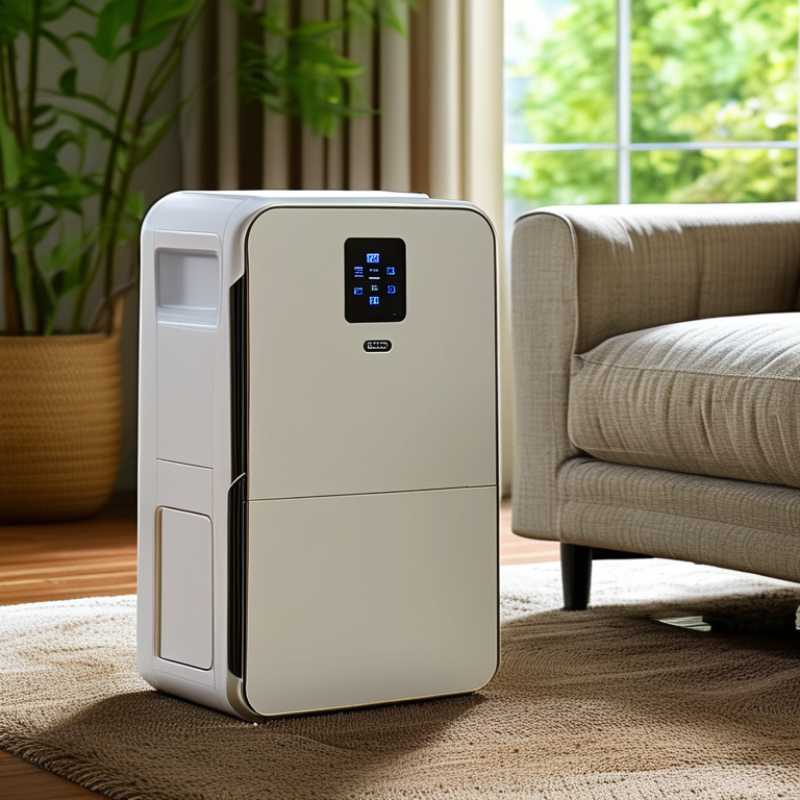
Humidity plays a critical role in your home environment. High humidity can lead to discomfort and health issues. It can also cause mold growth, which damages walls and hidden areas. Understanding humidity levels is essential for maintaining a healthy living space.
In many homes, excess moisture builds up in bathrooms and kitchens. This creates an environment ripe for bacteria and mold. The musty smell of dampness often signals a bigger problem. Many people underestimate the effects of humidity. It can lead to allergic reactions or respiratory issues over time.
Controlling humidity is not just about comfort; it’s a health concern. A dehumidifier can help combat these issues. It reduces excess moisture and creates a safer, more pleasant atmosphere. However, finding the right balance is crucial. Too little humidity can also create discomfort, leading to dry skin or respiratory problems. Monitoring and adjusting your home's humidity levels can make a significant difference.
The Role of Dehumidifiers in Reducing Indoor Humidity Levels
Indoor humidity can significantly impact comfort and health. High humidity levels create a breeding ground for mold, dust mites, and other allergens. According to the Environmental Protection Agency (EPA), indoor humidity should ideally be maintained between 30% and 50%. Exceeding this range can lead to various health problems, such as respiratory issues and allergies.
Dehumidifiers play a crucial role in maintaining these ideal humidity levels. The U.S. Department of Energy states that using a dehumidifier can help reduce energy costs by making air conditioning more efficient. In rooms where humidity is consistently high, running a dehumidifier can lower moisture levels quickly, promoting a drier and more comfortable environment.
While many people rely on natural ventilation or air conditioning, these methods may not always be sufficient. Not everyone knows that indoor humidity can fluctuate based on weather and other factors. Some areas may experience persistent moisture, making dehumidifiers not just a luxury but a necessity. Investing in a good unit can ensure a healthier home environment.
Health Benefits of Using a Dehumidifier in Your Living Space
A dehumidifier can significantly improve your living space's air quality. It helps maintain optimal humidity levels. High humidity can encourage mold growth, which can negatively impact health. Allergies and respiratory issues often worsen in damp conditions. A dehumidifier reduces excess moisture, creating a healthier environment.
Using a dehumidifier can help alleviate symptoms for those with asthma. Dry air helps reduce the presence of dust mites and mold spores. People often overlook these benefits. They usually think about cooling the air, not cleaning it. Dehumidifiers can also protect furniture and electronics from moisture damage.
However, it's essential to use a dehumidifier correctly. Emptying the water tank regularly is crucial. Neglecting this can lead to mold growth in the unit itself. Adjusting settings based on the room's size is also vital. A poorly chosen unit can lead to over-drying. It's a delicate balance, but one worth investing in for your health.
Health Benefits of Using a Dehumidifier in Your Living Space
| Benefit | Description | Impact on Health |
| Reduces Allergens | Dehumidifiers help to lower humidity levels, which reduces dust mites, mold, and mildew. | Lower risk of asthma and allergy symptoms. |
| Prevents Mold Growth | By maintaining optimal humidity levels, dehumidifiers inhibit the growth of mold. | Reduces respiratory problems and potential infections. |
| Improves Air Quality | Dehumidifiers help to keep indoor air fresh and clean. | Enhances overall well-being and comfort. |
| Reduces Odors | Dehumidifiers help eliminate musty smells caused by excess moisture. | Creates a more pleasant living environment. |
| Enhances Comfort | Lower humidity leads to a more comfortable indoor temperature. | Improves quality of life and sleep quality. |
Choosing the Right Dehumidifier for Your Home's Size and Needs
Choosing the right dehumidifier for your home's size and needs is essential to maintaining a comfortable environment. Start by measuring your space. A small bathroom might need a compact model, while a basement may require a larger unit. Understand the humidity levels in your area. If you live in a humid climate, opt for a dehumidifier with a higher capacity.
Consider the features that matter most. Some dehumidifiers have built-in hygrometers, allowing for better humidity control. Look for energy-efficient models that can save on electricity bills. However, not all models are reliable or easy to use. You might encounter noise issues or complicated settings.
Reflect on how the dehumidifier fits into your daily life. Will it require frequent emptying? Take note of its location. Placing it too close to walls can hinder airflow. Make your choice based on your unique needs. Sometimes, trial and error is part of the process. Each household is different, so take the time to find what works best for you.
Humidity Levels and Dehumidifier Efficiency
Maintenance Tips for Keeping Your Dehumidifier Efficient and Effective
Maintaining a dehumidifier is key to ensuring it operates at peak efficiency. Regular cleaning of the water collection tank is essential. This prevents mold and bacteria growth, which can cause health issues. Don't forget to empty the tank often, especially in humid seasons.
Filters also require attention. They should be checked and cleaned every few weeks. Clogged filters reduce airflow and impact the unit’s performance. Some users may forget this step, leading to inefficient operation. Ensure the unit is set at optimal humidity levels, around 30-50%. This helps in effectively reducing moisture without overworking the machine.
Occasional inspection of the unit's exterior is also advisable. Dust and debris can accumulate, obstructing airflow. Repair any leaks or cracks to maintain energy efficiency. If issues arise, consult a professional to address them promptly. Neglecting maintenance can lead to costly repairs or reduced lifespan. Regular upkeep ensures your dehumidifier serves you well for years.