How to Choose the Best Auto Parts Shock Absorbers for Your Vehicle?
Choosing the right Auto Parts Shock Absorbers is crucial for your vehicle's performance and safety. These components play a vital role in your car's suspension system. They absorb road impacts and provide stability. Without proper shock absorbers, your ride can become bumpy and uncomfortable.
When selecting auto parts shock absorbers, consider your driving style. Are you often on rough terrain, or do you stick to smooth highways? Different types are designed for specific uses, and understanding these differences will guide your choice. Quality matters. Investing in reputable brands often leads to better durability and performance.
Furthermore, compatibility with your vehicle is essential. Not all shock absorbers fit every model. Take the time to research and match the specifications for your car. This ensures optimal performance and safety. Remember, making a well-informed decision now can save you money and hassle later. Consider these factors carefully before making a purchase.
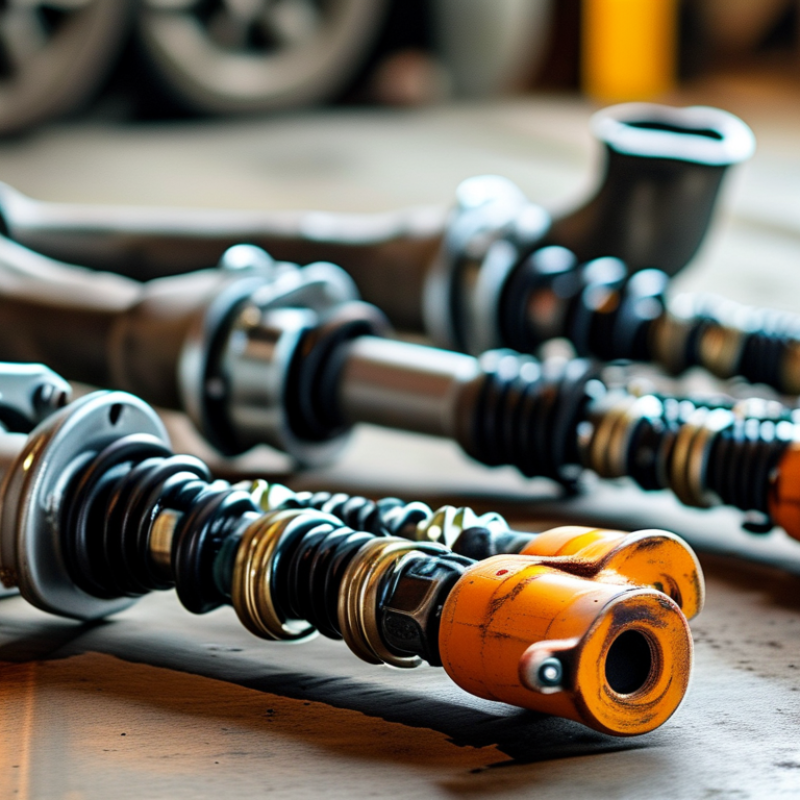
Understanding the Role of Shock Absorbers in Vehicle Performance
Shock absorbers play a crucial role in how vehicles handle the road. They control the impact of bumps and dips. This ensures a smooth ride and enhances safety. When driving, you want to feel comfortable and secure. A well-functioning shock absorber significantly contributes to that experience.
Over time, shock absorbers wear out. This can lead to various performance issues, such as excessive bouncing or a rough ride. You might notice your vehicle swaying or leaning during turns. These signs indicate it’s time for inspection. Investing in quality shock absorbers can elevate your vehicle’s performance. It’s not just about avoiding bad experiences; it’s about enhancing safety on the road.
Choosing the right shock absorbers means understanding your driving habits. Consider the terrains you frequently navigate. Heavy-duty shock absorbers may be necessary for off-road driving. For city driving, standard options might suffice. The wrong choice can lead to a bumpy ride and increased wear on your vehicle. It’s vital to assess your needs, as there may not be a one-size-fits-all solution.
Types of Shock Absorbers: Choosing the Right Style for Your Needs
When selecting shock absorbers, it’s crucial to understand the various types available. The most common styles are twin-tube and monotube shock absorbers. Twin-tube designs have two tubes, which usually provide a smoother ride. They are often less expensive and easier to install, making them suitable for daily drivers. However, they might not perform as well when subjected to extreme conditions.
Monotube shock absorbers are typically favored for high-performance vehicles. They feature a single-tube design that allows for better heat dissipation. This means they can offer improved performance during heavy use. However, they come at a higher price point and may require more specialized installation knowledge.
Considering your driving style is essential when choosing. If you frequently navigate rough terrains or drive aggressively, investing in monotube shocks makes sense. On the flip side, if your vehicle sees mostly city streets and highways, twin-tube shocks may suffice. Evaluate your needs carefully, ensuring your choice aligns with your vehicle's requirements and your driving habits. Making a well-informed decision will enhance your ride and vehicle performance.
Key Specifications to Consider When Selecting Shock Absorbers
When selecting shock absorbers, there are key specifications to keep in mind. The damping force is critical. This force governs how quickly the vehicle’s suspension rebounds after hitting a bump. According to a report by the Automotive Research Institute, optimal damping forces can improve ride comfort by up to 30%. Too stiff, and you compromise ride quality; too soft, and control diminishes.
Next, consider the construction type. Mono-tube and twin-tube designs offer distinct advantages. Mono-tube absorbers often provide better heat dissipation. This leads to consistent performance under various driving conditions. On the other hand, twin-tube designs typically offer a smoother ride but may struggle under extreme conditions. Balancing these factors is essential. Many drivers overlook this, influencing overall driving safety.
Finally, pay attention to the compatibility with your vehicle’s weight. A mismatch can lead to premature wear and a bumpy ride. Industry experts suggest that absorbers should match the vehicle’s specifications closely. In some cases, users report reduced handling precision when the weight distribution isn’t considered. Always double-check these specifications to ensure the best experience.
Comparing Shock Absorber Brands and Their Features
When it comes to choosing shock absorbers, brand comparison plays a crucial role. Various brands offer different technologies, which may affect your vehicle's performance. Some brands focus on durability, while others prioritize comfort. Identifying your driving style can guide your choice. Keep in mind that what works for one vehicle may not be suitable for another.
Features like adjustability and material quality matter. Adjustable shock absorbers allow you to tailor the ride. High-quality materials often improve longevity. However, it can be overwhelming to decide. You might find yourself confused about which feature is most beneficial for your specific needs. Consider reading user reviews and testimonials; they often provide real-world insights.
Installation recommendations vary across brands. Some require professional installation, while others are user-friendly. This aspect should not be overlooked, as DIY efforts can lead to mistakes. If you are not experienced, seeking professional help may be wiser. Ultimately, consider testing different options before making a final decision. This hands-on approach may save you money and stress in the long run.
Installation Tips for Optimal Performance of Shock Absorbers
When installing shock absorbers, proper technique is crucial for achieving optimal performance. Begin by ensuring that the vehicle is on a flat surface. Use a jack to lift the vehicle and secure it on jack stands for safety. A report from the Automotive Aftermarket Suppliers Association indicates that 30% of all vehicle handling issues stem from improper installation of suspension components. This highlights the importance of following correct procedures.
Before removing old shock absorbers, note the orientation of the existing parts. This will aid in aligning the new ones. Removing them can sometimes be challenging. Rusted bolts or worn-out parts might require extra effort. It’s important not to rush this process. Consider replacing any related hardware to avoid future problems. An informed guide from the Society of Automotive Engineers suggests that more than 20% of shock absorber failures could be prevented with diligent installation practices.
Finally, once installed, check the alignment. Misalignment can lead to uneven tire wear and reduced handling effectiveness. A well-done installation will enhance ride comfort and vehicle stability. Small mistakes can lead to significant issues later, so take your time. Reflect on what went well during the process and identify areas for improvement on the next installation.
Shock Absorber Types and Their Performance Ratings