2026 How to Choose the Best Stainless Tube Mills for Your Needs?
Choosing the right Stainless Tube Mills is crucial for meeting your specific manufacturing needs. Stainless tube mills can greatly influence your production efficiency and product quality. With many options available, making a decision can seem overwhelming.
Different stainless tube mills come with diverse features. Some are designed for speed, while others focus on precision. Understanding your production goals is essential. Consider factors such as material thickness, diameter, and the intended application. Each decision impacts your operational effectiveness.
It’s important to explore reviews and seek expert advice. Industry experiences can reveal insights that typical specifications may not cover. You may find some mills lack reliability over time. Engaging with reputable suppliers is vital for ensuring you make a sound investment in your machinery. A knowledgeable choice can lead to significant long-term savings and enhanced product output.
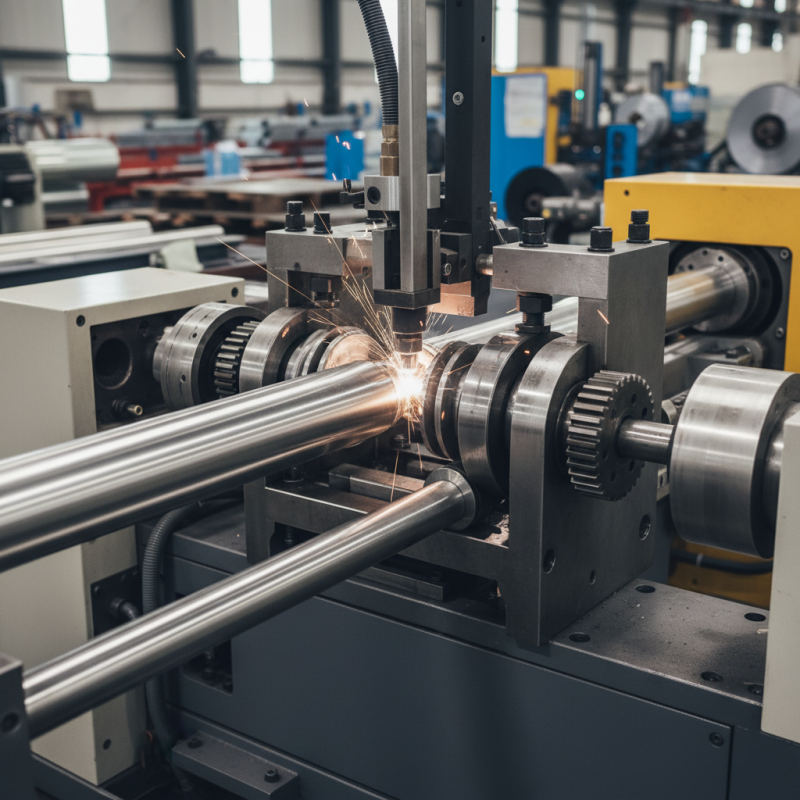
Understanding Stainless Tube Mill Types and Their Applications
When selecting the right stainless tube mill, understanding the different types and their applications is crucial. Stainless tube mills can be categorized into different types: seamless, welded, and custom-built. Each type serves specific purposes, from simple plumbing solutions to complex aerospace components. Knowing the intended application helps narrow down choices.
Seamless tubes are ideal for high-pressure applications. They are known for their strength and reliability.
Welded tubes, on the other hand, are versatile and often more budget-friendly. They work well in both structural and fluid systems. Custom-built mills can be tailored for unique specifications, providing flexibility but often at a higher cost.
Tips: Always consider material compatibility with the intended fluid or gas. Evaluate the mill's productivity level. Not every mill meets all production requirements, so assess your output needs. While researching, quality control measures are worth questioning. Are they adequate for your application? This insight could be essential for long-term success.
Key Factors in Selecting Stainless Tube Mills: Material and Thickness
Choosing the right stainless tube mill involves careful consideration of material and thickness. Stainless steel comes in various grades, which can impact quality and performance. The type of project you're working on will dictate the specific grade you need. For instance, a higher chromium content offers better corrosion resistance but can also affect the final cost.
Thickness is another crucial factor to keep in mind. Thicker tubes generally provide more strength and durability. However, they will also be heavier and may require more powerful machinery for processing. It's important to find a balance that meets your specific requirements without overspending.
Moreover, the choice of thickness can affect the material's flexibility and applicability. A mill should provide samples if possible, allowing you to gauge the right specifications. Reflect on how your choices will affect both production efficiency and product longevity. Each project may reveal different preferences or necessities, reminding us that flexibility is key in manufacturing.
Evaluating Performance Metrics: Speed, Efficiency, and Output Capacity
When selecting stainless tube mills, key performance metrics like speed, efficiency, and output capacity are essential. Industry reports indicate that high-speed mills can operate at rates exceeding 300 feet per minute. This speed not only boosts production but also affects overall efficiency. However, not all mills maintain optimal efficiency at high speeds. It's vital to find a balance between speed and the quality of the finished product.
Efficiency is often measured by the material yield and energy consumption. A leading study reveals that mills with lower energy costs can enhance profitability. Operators should assess energy usage per unit produced. Many mills report energy consumption as low as 2.5 kWh per ton. This figure indicates a competitive advantage in today’s market. However, inconsistent output can hinder an operation’s success.
Tips: Regular maintenance is crucial. Simple checks on alignments or bearings can prevent costly downtimes. Monitor your production rate closely to ensure it aligns with capacity targets. Discrepancies in data can highlight areas for improvement.
Output capacity can fluctuate based on raw material quality and machine condition. Termed "ramp-up" issues, these can limit total production potential. A thoughtful evaluation of these performance metrics ensures that you choose the best stainless tube mill suited to your operational needs.
Performance Metrics of Stainless Tube Mills
Assessing Manufacturer Certifications and Industry Standards Compliance
When choosing stainless tube mills, assessing manufacturer certifications is crucial. Industry standards like ISO 9001 and ASTM A554 ensure quality and reliability. A study by the International Stainless Steel Forum highlighted that 72% of tube failures relate to poor manufacturing practices. This underscores the importance of compliance.
Certification processes validate that mills adhere to stringent quality protocols. Look for mills with certifications tailored to your specific applications, such as pharmaceutical or food-grade standards. Reports from the American Society for Testing and Materials indicate that products meeting ASTM specifications often have enhanced performance.
It's essential to realize that not all manufacturers prioritize compliance. Some may cut corners or lack proper documentation. This can lead to compromised material integrity. Therefore, investigating manufacturer backgrounds and audits is advisable. Data shows that over 45% of companies experienced issues with non-compliant materials. This reflects a growing need for transparency and accountability in the industry.
Cost Analysis: Budgeting for Initial Investment and Operating Costs
When considering the investment in stainless tube mills, analyzing costs is crucial. Initial purchasing costs can vary significantly based on technology and capacity. A report by the Metal Fabrication Industry suggests that the average price range for new stainless tube mills is between $250,000 and $2 million. This variation often reflects factors such as automation levels and production speeds.
Operating costs add another layer to consider. These costs encompass energy consumption, maintenance, and labor. A recent study showed that energy expenses can account for 25% of operational costs. Additionally, routine maintenance is essential to avoid unexpected breakdowns. Unforeseen repairs can inflate expenses, potentially leading to downtime.
Budgeting must include these factors for a comprehensive view. It can be tempting to prioritize initial costs, but neglecting ongoing expenses might lead to financial strain. For example, opting for lower-cost machinery could escalate repairs, which increases long-term spendings. An educated approach evaluates both initial investments and life-cycle costs to ensure a well-rounded decision.
2026 How to Choose the Best Stainless Tube Mills for Your Needs? - Cost Analysis: Budgeting for Initial Investment and Operating Costs
| Dimension | Cost ($) | Operating Costs per Year ($) | Production Capacity (Tons/Year) | Efficiency (%) |
| Standard | 500,000 | 50,000 | 200 | 80 |
| High Precision | 750,000 | 60,000 | 150 | 90 |
| Compact | 300,000 | 40,000 | 100 | 75 |
| Large Capacity | 1,200,000 | 80,000 | 300 | 85 |