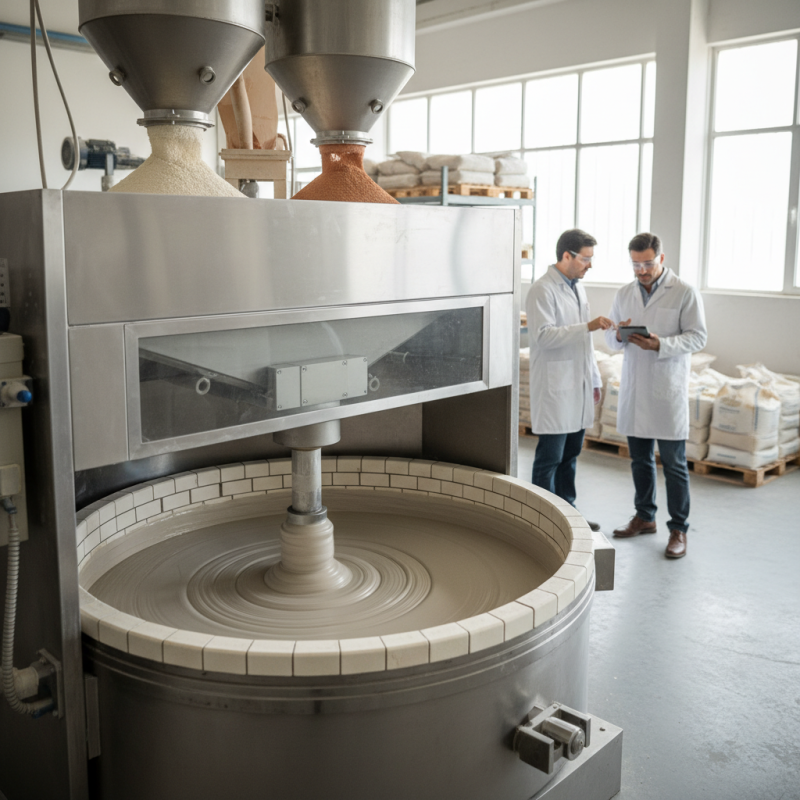
Why Choose a Ceramic Mixer Machine for Your Business Needs?
In today's competitive market, selecting the right equipment is crucial. A ceramic mixer machine stands out for various reasons. Its ability to blend materials smoothly leads to higher-quality products.
Unlike traditional mixers, the Ceramic Mixer Machine offers durability and efficiency. It can handle diverse materials, providing versatility for different business needs. However, some users might struggle with initial setup. Proper understanding of the machine's features is essential.
Moreover, not every business may need a Ceramic Mixer Machine. Evaluating your specific requirements is important. This machine may not be necessary for smaller operations. Still, for larger businesses, investing in one can boost productivity significantly. Investing wisely means understanding both benefits and limitations.
Advantages of Ceramic Mixer Machines in Industrial Applications
Ceramic mixer machines are becoming essential in various industrial applications. Their unique properties make them a preferred choice for mixing processes. According to industry reports, ceramic mixers can improve efficiency by up to 30%. This efficiency leads to reduced labor costs and faster production times.
One of the main advantages of ceramic mixer machines is their durability. They resist wear and tear better than other materials. This longevity translates to fewer replacements and lower operating costs. Companies can often save thousands annually. However, initial costs can be higher. It's crucial to analyze long-term benefits versus short-term expenses.
Tip: Regular maintenance can greatly extend the life of your mixer. A consistent inspection schedule helps catch issues early.
Ceramic mixers also provide consistent quality in mixing. They minimize contamination, which is vital in industries like food production. Yet, some businesses hesitate due to the belief that ceramic mixers are complex. Training staff can mitigate this confusion. Investing in proper training enhances overall productivity significantly.
Tip: Engage with industry experts for insights on integration. Their experience can guide you through the transition effectively.
Key Features to Consider When Choosing a Ceramic Mixer Machine
When selecting a ceramic mixer machine, its key features can significantly impact your operations. Look for a model with a powerful motor to ensure consistent mixing. This strength is essential; weak motors can lead to uneven blends, affecting the final product quality. Pay attention to the capacity. A machine that’s too small can slow down production, while an oversized one may waste resources.
Consider the ease of cleaning and maintenance. Ceramic materials can be challenging to clean, and complex designs may complicate this process. Machines with removable parts often simplify maintenance tasks. Durability is another critical factor. A more robust machine will withstand daily wear and tear. If a model often fails, it can lead to costly downtime.
Don’t overlook safety features. Machines should have adequate guards and emergency shut-offs. Investing in a safe machine protects not only your product but also your workforce. Beware of overly complicated controls. User-friendly interfaces are vital for smooth operation. Sometimes less is more; overly technical machines can confuse operators, leading to mistakes.
Why Choose a Ceramic Mixer Machine for Your Business Needs? - Key Features to Consider When Choosing a Ceramic Mixer Machine
| Feature | Description | Benefits |
| Durability | Made from high-quality materials that withstand heavy use. | Reduced replacement costs and increased lifespan. |
| Mixing Efficiency | Designed for thorough and consistent mixing of ceramic compounds. | Improved product quality and consistency. |
| Energy Efficiency | Uses less energy compared to traditional mixers. | Lower operational costs and environmental impact. |
| User-Friendly Controls | Equipped with intuitive controls for easy operation. | Reduced training time and increased productivity. |
| Size Variety | Available in various sizes to suit different production scales. | Flexibility to match business needs and available space. |
Comparative Analysis: Ceramic Mixers vs. Other Mixer Types
When it comes to mixing materials, ceramic mixer machines offer unique advantages over other types. For instance, the durability of ceramic materials can significantly extend the lifespan of the equipment. According to industry reports, the lifespan of ceramic mixers can exceed 15 years with proper maintenance, while metal mixers often require more frequent replacements. This can lead to substantial cost savings for businesses in the long run.
Moreover, ceramic mixers provide superior mixing quality, particularly for fine powders and viscous substances. The gentle mixing action reduces the risk of damaging delicate materials. Research indicates that ceramic mixer machines achieve a uniformity index of over 95% in mixing results, compared to 80-85% in some stainless steel models. However, not every user finds these mixers easy to operate. Some operators report a learning curve associated with adjustments and settings.
Additionally, the initial investment in ceramic mixers can be higher. This can deter smaller businesses from making the switch. Yet, the long-term efficiencies and reduced wear can offset that initial cost. It's crucial for business owners to weigh these factors against their specific needs and production demands. The decision process can benefit from a thorough evaluation of both upfront and ongoing costs.
Cost-Effectiveness and Longevity of Ceramic Mixer Machines
When considering equipment for your business, cost-effectiveness is crucial. Ceramic mixer machines offer excellent value. Their durability often leads to lower operational costs over time. Unlike some alternatives, they resist wear and tear. This longevity means fewer replacements and repairs, ultimately saving money. The initial investment may seem high, but it's offset by their lifespan.
Businesses often overlook maintenance costs. Ceramic mixers require less frequent servicing. This can reduce downtime, keeping production steady. In industries where time is money, this is vital. On the other hand, not all ceramic mixers are the same. Some might lack the necessary features for specific tasks. It's essential to analyze your business needs carefully.
Moreover, energy efficiency can be a concern. Some ceramic mixer machines consume more power than expected. Evaluating energy usage can prevent unforeseen expenses. However, many models utilize less energy while delivering efficient mixing. Always check the specifications and reviews. A detailed approach can uncover hidden gems. This diligence can lead to a more informed decision, ensuring long-term benefits.
Maintenance and Operational Efficiency of Ceramic Mixers
When considering equipment for ceramic mixing, durability is key. Ceramic mixers are built to withstand high-stress environments. Their robust design ensures long-term usage, reducing the frequency of replacements. This durability contributes to cost savings over time.
Maintenance is where ceramic mixers truly shine. Regular cleaning can prevent build-up, ensuring mixed materials retain their quality. Scheduled inspections can catch wear before it becomes a problem, saving time and money. Tips: Always follow the manufacturer’s guidelines for cleaning schedules. Keep an eye on the seals; they are crucial for maintaining efficiency.
Operational efficiency directly impacts productivity. Ceramic mixers typically offer faster mixing times than traditional methods. This speed can enhance workflow in busy environments. Invest in proper training for staff to ensure they maximize the mixer’s capabilities. Tips: Encourage operators to report any irregular sounds or vibrations early. Addressing small issues can prevent larger failures down the line.
Importance of Ceramic Mixer Machines for Business Needs
This chart illustrates the performance of ceramic mixer machines in various critical dimensions for business needs, highlighting their efficiency, cost-effectiveness in maintenance, durability, versatility, and output quality.