Why Choose a Self Priming Sewage Pump for Your Needs?
Self Priming Sewage Pumps are essential in waste management systems. They offer innovative solutions for handling wastewater effectively. According to a recent industry report, the global sewage pump market is expected to reach $9.3 billion by 2026, with self-priming models gaining significant traction. This is largely due to their efficiency and reliability.
Self Priming Sewage Pumps work without needing manual priming. This feature saves time and reduces maintenance efforts. A study shows that facilities using these pumps report up to a 40% decrease in downtime. However, not all models are created equal, and users should carefully evaluate specifications to meet their unique needs.
While these pumps are increasingly popular, some projects face challenges. Common issues include improper installation and pump sizing. These can lead to decreased performance and higher operational costs. Understanding the characteristics of Self Priming Sewage Pumps is critical for optimizing operations and ensuring efficiency. Experts suggest thorough research and consultation with professionals before making a decision.
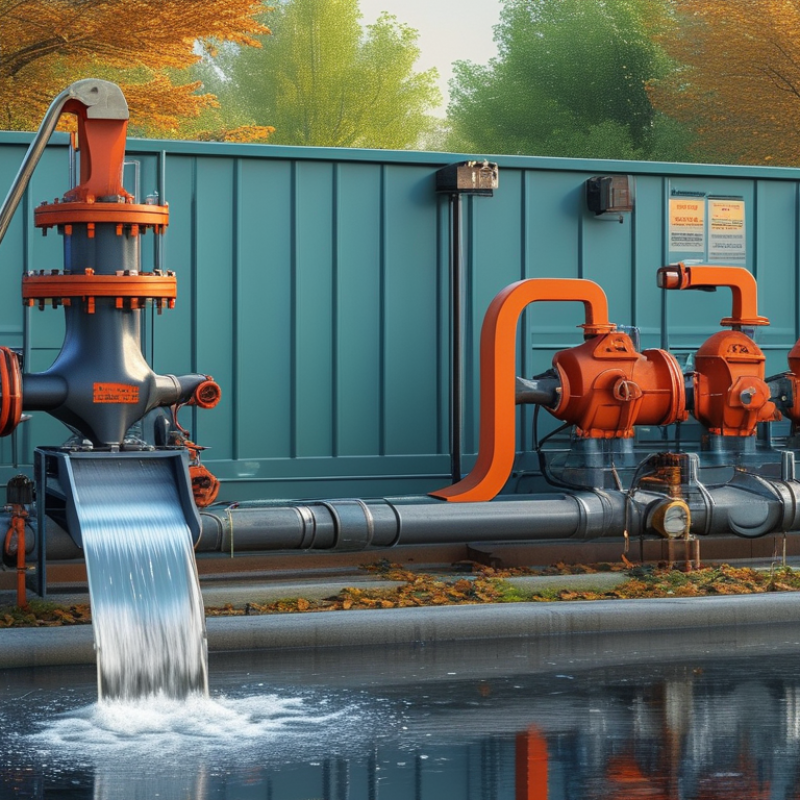
Understanding Self Priming Sewage Pumps: A Comprehensive Overview
Self priming sewage pumps play a critical role in managing waste effectively. They can draw in fluids without needing to be primed manually. This automatic feature simplifies installation and operation. Users often find this convenience invaluable, especially in remote locations or temporary setups. A reliable pump is essential for efficient waste removal and prevents backflow issues.
Understanding how these pumps work is essential. They use a unique mechanism to create a vacuum, drawing in sewage and waste fluids. This eliminates the need for external water sources to initiate the pumping process. These pumps can handle a variety of waste materials, including solids and debris. Users should be aware, however, that they may struggle with larger solids or heavy sludge. Regular maintenance can prevent breakdowns, but not all users remember this step.
Choosing the right self priming sewage pump requires careful consideration. Factors include pump capacity, the type of materials handled, and intended use. Understanding the specific needs of your situation improves overall reliability. There's no one-size-fits-all solution. Always reflect on your requirements and consult experts when needed. This reflection will help you avoid common mistakes in the selection process.
Why Choose a Self Priming Sewage Pump for Your Needs?
| Feature | Description | Benefits |
| Self-Priming Capability | Can draw liquid from below the pump without needing to be manually primed. | Saves time and labor, making it easier to operate. |
| Durable Construction | Made from corrosion-resistant materials suitable for harsh environments. | Increases longevity and reduces maintenance costs. |
| Versatility | Can handle solids and liquids of various sizes. | Ideal for various applications, including residential and commercial settings. |
| Energy Efficiency | Engineered to use less power compared to traditional pumps. | Reduces energy costs over time. |
| Ease of Installation | Designed for straightforward installation processes. | Less downtime and quicker project completion. |
Key Benefits of Using Self Priming Sewage Pumps in Waste Management
Self-Priming Sewage Pumps are critical in waste management. They offer several key benefits that enhance their functionality. One significant advantage is their ability to operate without manual priming. This feature reduces the labor and time required to start the pump, making it ideal for busy environments. According to the Pump Industry Association, over 30% of conventional pumps face downtime due to priming issues.
Another critical benefit is the ability to handle solids and debris effectively. Self-priming pumps can process sludge, solids, and other waste materials with ease. This makes them suitable for municipal wastewater systems as well as industrial applications. High-efficiency models can manage flows exceeding 2,000 gallons per minute, significantly improving system performance. However, maintenance requirements must be considered to avoid pump failures and costly repairs.
Moreover, self-priming sewage pumps are designed to work in various conditions. They can function effectively in environments where other pumps may fail. Their versatility is an asset but comes with complexities. For instance, selecting the appropriate pump for specific applications requires experience and understanding of the site conditions. This underscores the importance of consulting industry experts before making decisions.
How Self Priming Sewage Pumps Operate: Mechanics Explained
Self-priming sewage pumps are designed to handle wastewater effectively. They operate using a unique mechanism that allows them to prime themselves without needing manual intervention. This feature is crucial, especially in areas where flooding or water accumulation occurs frequently. The pump's impeller creates a vacuum that draws liquid into the casing. It's a smart solution for draining basements or sewage pits.
The mechanics of a self-priming sewage pump are surprisingly straightforward. As the motor spins the impeller, it pushes the fluid into the discharge pipe. Unlike traditional pumps, this type can lift water from a lower level. The mechanism is efficient, but potential issues need attention. Sediment build-up can hinder performance, requiring regular maintenance. Ignoring this could lead to pump failure.
Consider the advantages and drawbacks. The self-priming feature offers convenience. However, it may not be as powerful as direct suction pumps in some scenarios. Users must evaluate their specific needs to determine the best option. Regular checks on the pump's condition could save money long-term. This balance of efficiency and maintenance is essential for optimal operation.
Factors to Consider When Choosing a Self Priming Sewage Pump
When choosing a self-priming sewage pump, several key factors must be considered. First, assess the pump's capacity. This is crucial for your specific sewage needs. A pump with inadequate capacity will struggle and may lead to costly repairs. Understand the volume of wastewater your application generates.
Consider the materials used in the pump's construction. Durable materials resist corrosion and extend the pump's lifespan. Pumps made from stainless steel or high-grade plastics are usually more reliable in demanding environments. Ensure they can handle sewage effectively.
**Tips:** Always check the pump's suction lift. A higher lift means better performance in difficult situations. Pay attention to the motor's efficiency as well. An efficient motor saves energy and reduces operating costs over time.
Finally, evaluate the pump's noise level. Some pumps can be surprisingly loud. If the pump is for a residential area, quieter models are preferable. Always consult product specifications for noise ratings. This small detail can impact daily living. Selecting the right self-priming sewage pump is pivotal for maintaining a reliable waste management system. Every choice matters in the long run.
Factors to Consider When Choosing a Self Priming Sewage Pump
Common Applications and Industries Benefiting from Self Priming Sewage Pumps
Self-priming sewage pumps are essential in various industries. They are commonly used in municipal wastewater systems, construction sites, and even in agricultural applications. These pumps excel at handling solid waste, making them ideal for harsh environments. Factories and water treatment facilities also rely on them to manage effluent and stormwater.
One tip when selecting a self-priming sewage pump is to consider the specific needs of your application. Understanding the flow rate required is crucial. Pumps that cannot handle the necessary volume may cause backups and delays. Always factor in the type of waste you'll be dealing with. Certain pumps handle solids better than others.
Additionally, maintenance should not be overlooked. Regular checks on seals and impellers can prevent costly repairs later. Inadequate maintenance may lead to performance issues. Make sure to establish a routine schedule for these checks. Being proactive helps ensure that your sewage pump operates efficiently and reliably.