Why Choose the Right Suction Hose for Your Business Needs?
When selecting equipment for industrial operations, the importance of choosing the right Suction Hose cannot be overstated. The global suction and discharge hose market is projected to reach $3.5 billion by 2025, highlighting its crucial role in various sectors. A reliable Suction Hose ensures efficient fluid transport, impacting productivity and operational costs directly.
Industry leaders agree that improper hose selection can lead to costly downtime. This can stem from hose failure or inefficiency, which are commonly overlooked. Reports from leading manufacturers indicate that 30% of hose failures are due to incorrect specifications. Thus, making informed choices is essential.
Moreover, businesses must consider specific application needs. Not all Suction Hoses are created equal; material composition and diameter can significantly affect performance. A poorly chosen hose may not only hinder operations but also pose safety risks. Adequate research and consultation with experts can mitigate these risks, leading to more efficient operations.
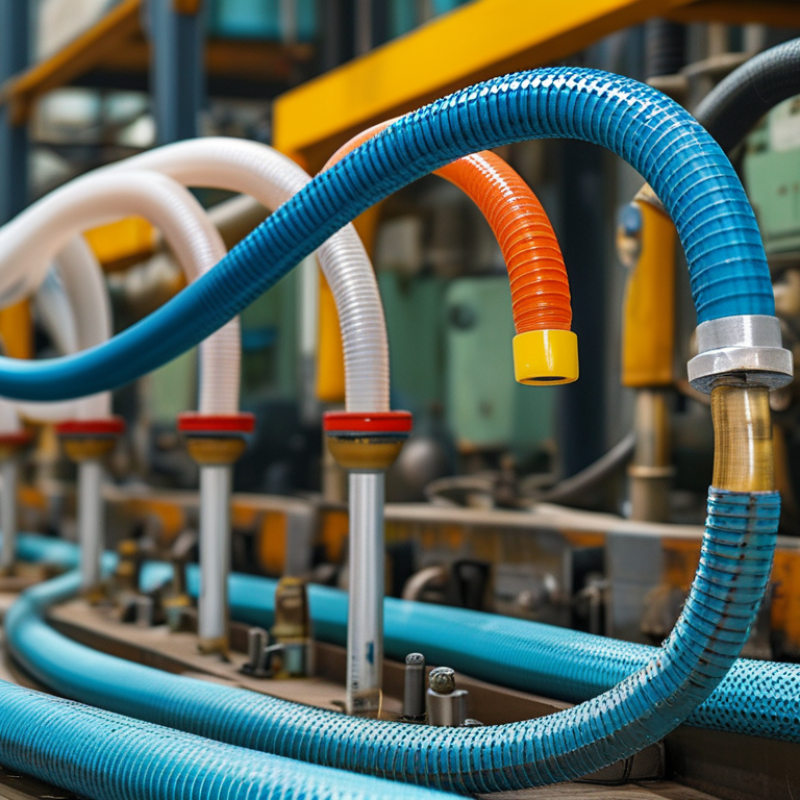
Understanding Suction Hoses: Types and Applications
Suction hoses are vital for many industries. They play a crucial role in transporting liquids, slurries, and gases. Understanding the types and applications of suction hoses can aid in selecting the right one for your business.
There are various types of suction hoses. Some are designed for heavy-duty industrial use. Others are better suited for light-duty applications. Consider the material and flexibility required. For example, a rubber suction hose may resist abrasions better than a PVC one. This choice impacts durability and efficiency significantly.
Tip: Always assess the specific fluid being transported. Different materials react uniquely with various chemicals. Ensure compatibility to avoid degradation.
Knowing the application is essential. Whether you're using suction hoses for construction, agriculture, or industrial systems, each application has specific needs. For instance, a food-grade hose is crucial in the food industry. Non-compliance can lead to contamination issues.
Tip: Regularly inspect hoses for wear and tear. Signs of damage can lead to costly downtime or safety hazards. Quick responses to wear will extend the hose's lifespan.
Choosing the right suction hose is not just about specifications. It's about understanding your operational needs and ensuring safety and efficiency in your processes.
Key Factors in Choosing the Right Suction Hose
Selecting the right suction hose for your business needs can significantly impact efficiency. Consider factors like material, diameter, and flexibility. The American National Standards Institute (ANSI) shows that using the wrong material can reduce performance by 30%. For instance, certain chemicals can corrode hoses, leading to leaks and safety hazards.
Diameter is another critical aspect. A hose too narrow may restrict flow, causing pressure loss. According to industry research by the Rubber Manufacturers Association, using the correct diameter can enhance flow rates by up to 50%. Flexibility is equally important. A hose that is too stiff may lead to operational difficulties and workplace injuries.
Businesses often overlook maintenance needs. Regular checks can prevent performance issues. Yet, reports indicate that 40% of companies neglect this aspect. Ensuring hoses remain in good condition is vital for longevity. This highlights the necessity of making informed choices to meet specific operational requirements.
Material Considerations for Suction Hoses in Different Industries
Selecting the right suction hose for your business is crucial. Different industries have unique material needs based on the substances they handle. For example, food processing requires hoses made from flexible, durable materials that are FDA-approved. These hoses must withstand temperatures while keeping food safe.
On the other hand, construction sites often use hoses made from heavy-duty rubber or PVC. These materials resist abrasion and can endure rough handling. However, improper selection can lead to leaks or breaks. Such failures can disrupt work and increase costs, highlighting the importance of choosing the right material.
In the chemical industry, resistance to corrosive substances is vital. Hoses made from specialized thermoplastics or fluoropolymers can withstand harsh chemicals. However, these materials can be expensive. Companies must weigh the costs against the potential risks of using inferior materials. Overall, a thoughtful approach to material selection can enhance performance and safety across various applications.
Assessing Diameter and Length for Optimal Performance
Choosing the right suction hose is crucial for business efficiency. The diameter and length of the hose significantly affect its performance. A report by the International Association of Plumbing and Mechanical Officials highlights that improper diameter selection can lead to reduced flow rates, impacting overall operations.
A larger diameter hose allows for increased volume transfer. However, this can also lead to increased weight, potentially causing strain during handling. On the other hand, a smaller diameter may restrict flow, leading to inefficiency. Research by the Hose and Fittings Division indicates that optimal diameters are essential to minimize pressure loss. Companies must assess their specific needs before making a decision.
Length also plays a vital role. Longer hoses can cause pressure drops, which diminish suction power. According to an analysis from Fluid Power Journal, every additional ten feet can reduce efficiency by up to 5%. Visualizing how a longer hose can alter suction dynamics is essential. Straight runs are preferable. However, bends and kinks can create complications, leading to further inefficiency. Understanding these factors is paramount in selecting an effective suction hose tailored to business needs.
Optimal Suction Hose Performance Analysis
This chart compares the flow rates of different diameter suction hoses used in various business applications. Selecting the appropriate diameter can significantly impact performance efficiency.
Maintenance Tips for Prolonging Suction Hose Lifespan
Maintaining suction hoses is essential for optimal operation in various industries. Regular inspection can help identify wear and damage before they become significant issues. The industry-standard lifespan of a high-quality suction hose typically ranges from 2 to 5 years, depending on usage and maintenance practices. Neglecting maintenance can lead to costly downtime and replacement expenses.
Implementing a routine maintenance schedule is crucial. Clean hoses regularly to prevent residue buildup. Research shows that regular cleaning can increase hose lifespan by up to 30%. Additionally, consider pressure and temperature ratings during operation. Exceeding these parameters can weaken the material. According to industry reports, 15% of hose failures result from improper use or lack of care.
Inspecting hoses for cracks or leaks is also vital. Small cracks can lead to significant performance issues over time. A minor leak can compromise suction efficiency and affect productivity. Using the right tools for inspection can enhance reliability. Exploratory data indicates that using quality inspection tools can decrease hose failure rates by 10%. Ultimately, following these maintenance tips helps ensure a longer lifespan for suction hoses, aligning with best practices in the industry.