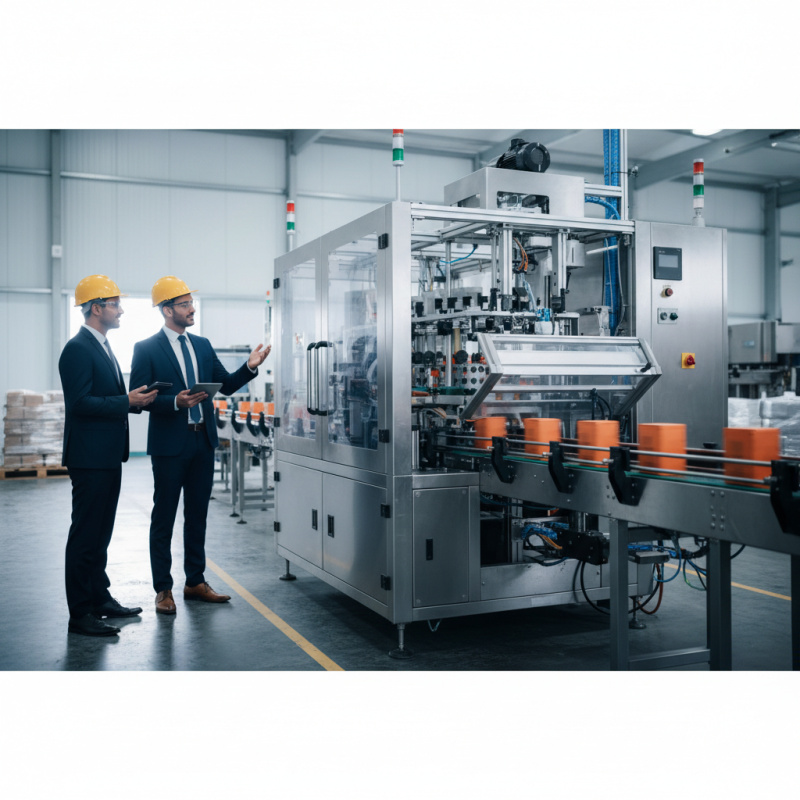
Why Choose a Packing Machine for Your Business Needs?
Selecting the right equipment is critical for any business. A Packing Machine plays a vital role in this decision. Industry expert John Smith states, "Investing in a quality packing machine can transform your operational efficiency." With a reliable packing machine, you enhance your productivity and reduce labor costs.
The efficiency of packing machines saves time and minimizes product damage. Many businesses overlook the importance of this investment. They may think manual packing is sufficient, but that often leads to inconsistencies. Imagine a busy production line where delays can result in unhappy customers.
Packing machines offer precision and speed. Different industries require various types of packing machines. Evaluating your specific needs can lead to better choices. It's essential to reflect on how a packing machine can align with your business goals and operational demands.
Understanding the Importance of Packing Machines in Businesses
Packing machines play a crucial role in modern businesses. They enhance efficiency and reduce labor costs. A recent report by Smithers indicates that the global packaging machinery market is projected to reach $55 billion by 2025. This growth highlights how industries recognize the value of automation. Packing machines can operate faster and more accurately than human hands. However, some businesses still hesitate to invest. The initial cost can be daunting.
When a company uses a packing machine, consistency improves. Products are packed uniformly, ensuring customer satisfaction. According to a survey by PMMI, around 95% of consumers say packaging influences their purchase decisions. Flawed packaging can lead to returns and eventually loss of customer trust. Yet, even with advanced technology, not every installation goes smoothly. Companies sometimes face integration issues with existing systems.
Moreover, packing machines save time in production. A facility can run 24/7 with minimal downtime, increasing output. Yet, the transition requires proper training. Employees may need time to adapt. Some workers might resist change, fearing job loss. Businesses must balance technology with skilled labor. Hence, careful planning is essential for successful implementation.
Key Benefits of Automated Packing Solutions for Efficiency
Automated packing solutions are revolutionizing how businesses operate. These machines improve efficiency and streamline processes. With proper implementation, a packing machine can significantly reduce labor costs. It handles repetitive tasks, allowing workers to focus on more complex duties.
Speed is another critical benefit. Automated machines can pack products faster than human hands. This speed leads to higher output levels. Plus, less human error occurs. Products are packed consistently and accurately. However, businesses must choose the right machine for their needs. An incorrect choice can lead to wasted resources and frustration.
Investing in automation also frees up valuable floor space. A well-designed packing line can maximize production areas. Yet, the initial cost can be daunting. Companies must carefully weigh benefits against expenses. It's worth reflecting on whether automation aligns with long-term goals. Not all businesses may be ready for this change, but the potential is enormous.
Different Types of Packing Machines and Their Applications
Packing machines come in various types, each suited for different applications. From carton sealers to labeling machines, they streamline the packing process. For instance, flow wrapping machines are ideal for packaging food items. They ensure freshness and extend shelf life. Vacuum packers, on the other hand, remove air from bags to preserve perishable goods.
When selecting a packing machine, consider your product type. If you're dealing with fragile items, a cushioned packing solution may be necessary. For bulk products, a weigh filler can help maintain accuracy. Cost and space are also important factors. Do you have enough room for a large machine? Is your budget sufficient? Reflect on these aspects carefully.
Tip: Always assess your production speed needs. A slower machine could bottleneck operations. Test the machine with a small batch before full-scale implementation. Additionally, regular maintenance is crucial. Neglecting this can lead to breakdowns and delays.
Factors to Consider When Choosing a Packing Machine
Choosing a packing machine involves multiple factors that can impact efficiency and cost. The type of business matters significantly. Industry reports show that packaging accounts for nearly 40% of total production costs. Knowing your specific needs helps narrow options.
Consider the speed of the machine. It must match your production capacity. A machine with higher speed may seem ideal, yet it could lead to quality issues. Balancing speed with accuracy is crucial. Look for machines that can adapt to various product sizes. Flexibility often improves productivity.
**Tip:** Always evaluate machine maintenance costs. A lower initial investment can lead to higher long-term repairs.
Energy efficiency is another critical factor. Reports indicate that energy consumption can rise by 20% with outdated equipment. Upgrading may save costs over time. Finally, automation features can improve consistency. However, overly complex systems might lead to operational challenges. Finding the right level of automation requires careful thought. Each decision should align with your specific business goals.
Why Choose a Packing Machine for Your Business Needs? - Factors to Consider When Choosing a Packing Machine
| Factor | Description | Importance Level |
| Type of Products | Consider the type of products you need to pack (liquids, solids, fragile items). | High |
| Production Speed | The machine's speed may affect your production output. | Medium |
| Automation Level | Decide if you need manual, semi-automated, or fully automated machines. | High |
| Space Availability | Assess the space in your facility to accommodate the machine. | Medium |
| Budget | Ensure the cost aligns with your financial resources. | High |
| Maintenance Requirements | Consider the maintenance frequency and costs involved. | Medium |
| Flexibility | Look for machines that can adapt to different packaging needs. | Low |
Cost-Benefit Analysis: Investing in Packing Technology for Growth
Investing in a packing machine can seem daunting. However, the benefits often outweigh the costs. According to industry reports, automating packing processes can reduce labor costs by up to 30%. This means more resources for other growth areas. The initial investment in technology often pays off within a year in terms of increased efficiency.
Tips: Always evaluate your current workload and future demands. A machine that fits today may not be suitable for future production needs. Consider scalability in your decision.
Packing technology also improves accuracy. Research shows that automated systems can achieve up to 99% accuracy in packing. This reduces product returns and enhances customer satisfaction. Yet, the upfront cost might be a roadblock for smaller businesses.
Tips: Look for leasing options or government grants. These can alleviate financial burdens while still allowing for necessary upgrades.
Every decision comes with risks. An expensive machine may not produce the expected results. It's vital to analyze and reflect on your specific business needs. Regular assessments can guide future investments in technology.