How to Choose the Best Carbon Commutator for Your Needs?
Choosing the right carbon commutator is crucial for achieving optimal performance in electric motors. Industry reports indicate that the global market for carbon commutators is expected to reach $1.5 billion by 2025, driven by rising demand in automotive and industrial applications. This showcases the importance of selecting a product that meets specific operational requirements.
The carbon commutator serves as a bridge between the stationary and rotating parts of a motor. High-quality commutators enhance efficiency and extend equipment life. However, not all options are created equal. Factors such as material composition, size, and design all influence performance. Despite the overwhelming options available, many users still struggle to make the best choice. This can lead to subpar performance and unexpected downtime.
It is essential to consider your unique needs when selecting a carbon commutator. Understanding the specifications that align with your application can prevent costly mistakes. Many users overlook key details that could impact their choice. Mistakes in selection can lead to decreased efficiency or higher maintenance costs. Careful consideration and expert guidance can streamline this process.
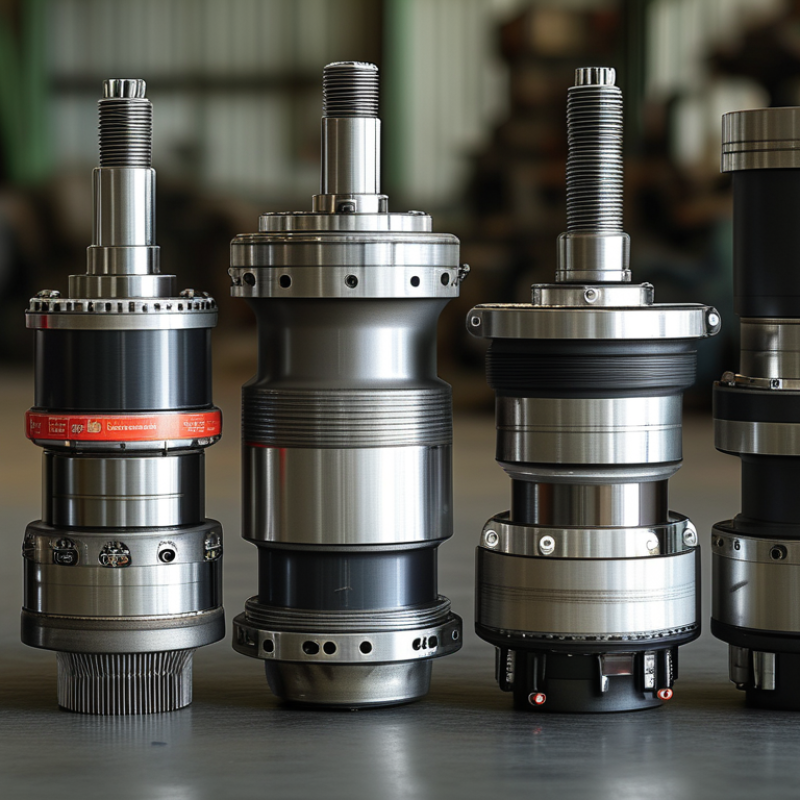
Understanding the Function of Carbon Commutators in Electrical Motors
Carbon commutators play a crucial role in the operation of electrical motors. They serve as a switch, converting direct current (DC) into mechanical energy. Inside a motor, the commutator maintains the flow of electricity to the motor’s windings, ensuring smooth rotation. Understanding this function is vital for anyone using or maintaining motors.
Choosing the right carbon commutator involves several considerations. The size, shape, and material quality can all affect performance. A commutator that is too small may lead to increased wear and tear, while one that is too large can create interference. It's essential to balance these factors to ensure reliability. Users often overlook maintenance, which is critical for longevity. Regular inspection can reveal signs of excessive wear or damaging sparks.
Another aspect to reflect on is the installation process. Poor alignment during installation can lead to uneven wear and decreased efficiency. This can result in premature failure, costing more in the long run. Seek expert guidance if unsure about the installation. This ensures optimal performance and enhances the lifespan of the motor. Understanding these nuances helps make informed decisions, leading to better outcomes in motor functionality.
How to Choose the Best Carbon Commutator for Your Needs?
| Criteria | Description | Important Factors |
| Material Composition | The type of carbon used can affect conductivity and durability. | Wear resistance, thermal conductivity |
| Size and Shape | Must fit the motor specifications precisely for optimal performance. | Compatibility with motor dimensions |
| Current Rating | Rated current should match the motor’s requirements to prevent overheating. | Operating current, peak load |
| Operating Environment | Intricacies of electrical environments (humidity, dust, temperature). | Environmental ratings, insulation class |
| Longevity & Durability | Expected lifespan of the commutator, indicated by usage cycles. | Replacement intervals, maintenance needs |
Key Factors to Consider When Selecting a Carbon Commutator
Choosing the right carbon commutator requires careful consideration of several key factors. The first aspect is the application. Different machines demand various specifications. Understanding your motor's operational environment can guide you in selecting the appropriate commutator type.
Next, look at the material quality. High-quality carbon provides better conductivity and durability. However, not all carbon materials are the same. Some may wear out quickly, while others can last longer. Assessing wear patterns from previous use is essential. You might need to experience a few trial-and-error attempts to find what works best.
Another important factor is compatibility. Ensure that the commutator fits your motor perfectly. Misfits can lead to operational issues. This might cause overheating or inefficient performance. Conducting thorough research from reliable sources can help mitigate these concerns. Testing and adjustments may be part of the process. The right carbon commutator can significantly enhance efficiency, but choosing it wisely requires patience and reflection.
Factors Affecting Carbon Commutator Performance
This bar chart illustrates key factors that influence the performance of carbon commutators. The data reflects the average influence rating on a scale of 1 to 10, based on user feedback.
Comparing Different Types of Carbon Commutators for Various Applications
When selecting a carbon commutator, consider the application first. Different industries require different features. For example, high-speed motors need commutators with low friction and good heat resistance. In contrast, applications involving heavy loads demand robust materials that can withstand wear and tear. An understanding of the specific demands of your operation is crucial.
In addition to performance characteristics, think about compatibility. Not all commutators work with every motor. Mismatched components can lead to underperformance and premature failure. Check the manufacturer’s specifications before purchase. This step may seem tedious but can save time and money later. It's a common oversight that can lead to costly mistakes.
Willingness to review and adjust choices is important. What works today might not work tomorrow as technology evolves. Consider seeking advice from professionals with relevant experience. They can provide insights that books and manuals might miss. Remember, the right carbon commutator is about fit, function, and future proofing your needs.
Assessing Quality and Performance Metrics for Carbon Commutators
When choosing a carbon commutator, quality and performance metrics are paramount. Understanding these metrics can ensure optimal functionality and durability. Look for parameters like thermal conductivity, mechanical strength, and wear resistance. These factors significantly influence performance over time. A well-crafted commutator can enhance the lifespan of your motors.
Tips for assessing quality:
- Examine reviews and specifications to gauge reliability.
- Seek advice from professionals in the field.
- Always consider the application environment. Operating conditions can drastically affect performance.
Another critical aspect is understanding the manufacturing process. Carbon commutators should be produced from high-quality materials. Pay attention to the material consistency and precision in manufacturing. Small defects can lead to significant issues later on.
Tips for making a choice:
- Compare options thoroughly.
- Look for detailed performance data.
- Don’t hesitate to ask for samples. Testing can reveal a lot about performance.
Choosing the right carbon commutator involves careful consideration of these factors. Prioritizing quality will certainly pay off in longevity and efficiency.
Maintenance and Care Tips for Prolonging Carbon Commutator Lifespan
When it comes to carbon commutators, regular maintenance is key to achieving longevity. Keeping components clean helps avoid operational issues. Dust and debris can accumulate, leading to uneven performance. Inspecting the commutator surface for wear is essential. A well-maintained commutator improves overall efficiency.
Tips: Use a soft brush to remove dust. Ensure that connections are tight. Monitor for signs of overheating, as it can shorten lifespan.
Ensure adequate lubrication is applied. A dry commutator can lead to excessive wear. Replace brushes periodically to maintain consistent contact. Even minor neglect can result in significant performance loss. Regular checks can lead to better function.
By taking these steps, you'll make the most of your carbon commutator. However, some wear is unavoidable. Be prepared to reassess and adapt your maintenance routine. The right care can make all the difference in performance.