How to Choose the Best Carbide Wear Plates for Your Needs?
Choosing the right carbide wear plates is crucial for various industrial applications. According to John Smith, a leading expert in material science, “The right wear plate can extend equipment life significantly.” When assessing options, understanding specific needs is vital.
Carbide wear plates offer durability and resistance to abrasion. Different applications require different properties. For instance, some industries may prioritize thickness, while others may need flexibility. The choices can be overwhelming. Many users may overlook essential factors like environment and load conditions.
Moreover, there’s no one-size-fits-all solution. It's important to gather information from various suppliers. Some products may not perform as advertised. Industry reviews and expert opinions can guide you in making an informed decision. Reflect on your previous experiences. Did your last choice meet your expectations? Consider these dimensions when evaluating carbide wear plates.
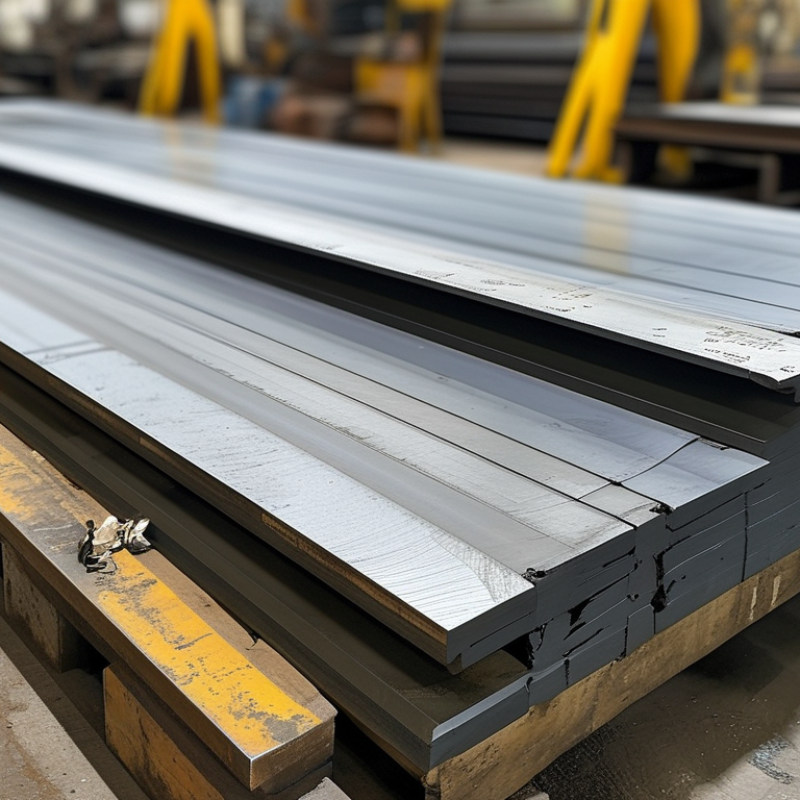
Understanding Carbide Wear Plates: Material Properties and Benefits
Carbide wear plates are essential in various industries. They offer unique material properties that enhance their durability and performance. These plates are often made of tungsten carbide, a composite of tungsten and carbon. This combination yields a material that is exceptionally hard and wear-resistant. Such properties make carbide plates ideal for heavy-duty applications.
The benefits of using carbide wear plates are significant. Their high resistance to abrasion helps prolong the life of machinery and equipment. They can withstand extreme temperatures and pressures, reducing the frequency of replacements. However, it’s important to notice that not all applications require the hardest materials. Sometimes, a balance between hardness and impact resistance is necessary. Choosing the wrong type may lead to unexpected failures.
While carbide plates excel in many situations, they can be challenging to install. Proper techniques are crucial for maximizing their performance. If installed incorrectly, you might encounter issues like misalignment or inadequate adhesion. This can diminish their advantages. Therefore, consulting with experts is advisable to avoid such pitfalls.
Assessing Your Application Needs: Key Considerations for Selection
Choosing the right carbide wear plates is crucial for effective application. Start by assessing the specific needs of your operation. What materials will the plates encounter? Consider the abrasiveness and impact of these materials. A clear understanding of the operational environment will guide your selection process.
Evaluate the thickness and hardness of the carbide wear plates. Thicker plates often provide better resistance but may be heavier. Match these attributes to the intensity of your application. For instance, heavy machinery might require robust solutions, while lighter tasks could benefit from something more flexible. Analyze how these factors impact overall productivity.
Think about the installation and maintenance aspects as well. Some wear plates may need specialized installation tools or techniques, which complicate the process. Additionally, check the availability of replacement parts and service. Recognizing these challenges can lead to more informed purchasing decisions. Reflect on past experiences to avoid repeating mistakes.
How to Choose the Best Carbide Wear Plates for Your Needs?
| Application | Material Type | Hardness (HRA) | Thickness (mm) | Temperature Resistance (°C) |
| Mining Equipment | Tungsten Carbide | 88 | 10 | 500 |
| Construction | Cobalt-chromium Carbide | 86 | 12 | 650 |
| Agriculture | Nickel-based Carbide | 84 | 8 | 400 |
| Forestry | Iron-based Carbide | 83 | 15 | 450 |
Types of Carbide Wear Plates: A Comparative Overview
When selecting carbide wear plates, understanding their types is crucial. There are three main categories: tungsten carbide, chromium carbide, and ceramic composite wear plates. Tungsten carbide offers high impact resistance and durability, making it ideal for heavy-duty applications. Reports indicate that these plates can withstand abrasive wear up to five times longer than steel counterparts.
Chromium carbide plates, on the other hand, excel in high-temperature environments. They provide excellent resistance to oxidation and corrosion, making them suitable for mining and milling processes. A study by the ASTM shows that chromium carbide plates can maintain integrity at temperatures exceeding 1000°C, proving advantageous in high-stress scenarios.
Ceramic composite wear plates combine the benefits of traditional alloys and ceramics. They are lightweight yet incredibly hard, providing superior wear resistance in specific applications. However, their brittleness can lead to failure under impact. Research suggests that a careful assessment of the operational environment helps in selecting the suitable plate, as each type presents unique challenges and advantages.
Comparison of Different Types of Carbide Wear Plates
Evaluating Quality and Durability: What to Look For
Choosing carbide wear plates for specific applications requires careful evaluation, especially concerning quality and durability. Start by assessing the material composition. Premium carbide plates typically feature a high percentage of tungsten carbide, which enhances wear resistance. Look for plates that offer a balance between hardness and toughness, as this contributes to longer service life.
Another important factor is the thickness of the wear plates. Thicker plates tend to provide better protection from wear and tear. However, they can also be heavier and may impact ease of installation. It’s crucial to determine the best thickness based on your operational requirements. In some cases, lighter plates may facilitate better maneuverability.
Tips: Always consider the specific environment where the plates will be used. High-impact or high-temperature situations demand more durable options. Regularly reviewing your wear plate performance can guide future purchases. Engage with industry professionals to gain insights and advice based on real-world experiences.
Investing time in evaluating quality and durability can save costs in the long run. Understand that not all carbide wear plates are created equal. Each application may present unique challenges, urging you to reflect on previous choices and seek improvement.
Installation and Maintenance Tips for Optimal Performance
When installing carbide wear plates, proper placement is crucial. Ensure that the surface is clean and even. Debris can hinder performance. Pay attention to the alignment. Misaligned plates can lead to uneven wear and reduced lifespan.
Regular maintenance is key to optimal function. Inspect the plates for wear and damage frequently. Look for cracks or chipping, which can occur from heavy use. Use a soft brush to clean out any accumulated debris. This simple step can extend the life of your wear plates significantly.
Document any changes in performance. If you notice a decrease in efficiency, reassess the installation. It may be necessary to adjust or replace plates sooner than expected. Always prioritize safety during maintenance. Wear appropriate gear and follow manufacturer guidelines to prevent accidents.