Choosing the right 316 Stainless Steel Plate Supplier can influence project safety, service life, and long-term maintenance costs. The decision involves more than comparing prices or checking a product catalogue. A dependable supplier should understand alloy composition, plate thickness, surface finish, heat treatment, and corrosion exposure.
As materials engineer Dr. James A. Davis observes, “Grade selection is only half the decision; supplier control determines whether the plate performs as expected.” This practical view matters in real applications. A 316 plate used beside seawater pumps faces a different environment from one installed in a clean indoor facility. Molybdenum improves resistance to chloride-related corrosion, but it does not make the steel immune to every failure.
Details matter.
An experienced 316 Stainless Steel Plate Supplier should provide traceable mill certificates, accurate dimensions, and clear information about testing standards. Buyers should also ask how the plates are stored. Wet packaging, rough handling, or surface contamination can leave stains before fabrication even begins. These problems may appear minor. They are not always minor after installation.
A reliable supplier can help assess grade suitability, finish requirements, welding considerations, and delivery consistency. However, supplier claims should not replace independent verification. That is an important limitation. Project engineers must confirm requirements against actual operating conditions, applicable standards, and inspection procedures.
The best choice is rarely the cheapest quotation. It is the supplier that combines technical knowledge, honest documentation, responsive communication, and consistent plate quality. That combination supports safer decisions, fewer replacements, and more predictable performance in demanding environments.
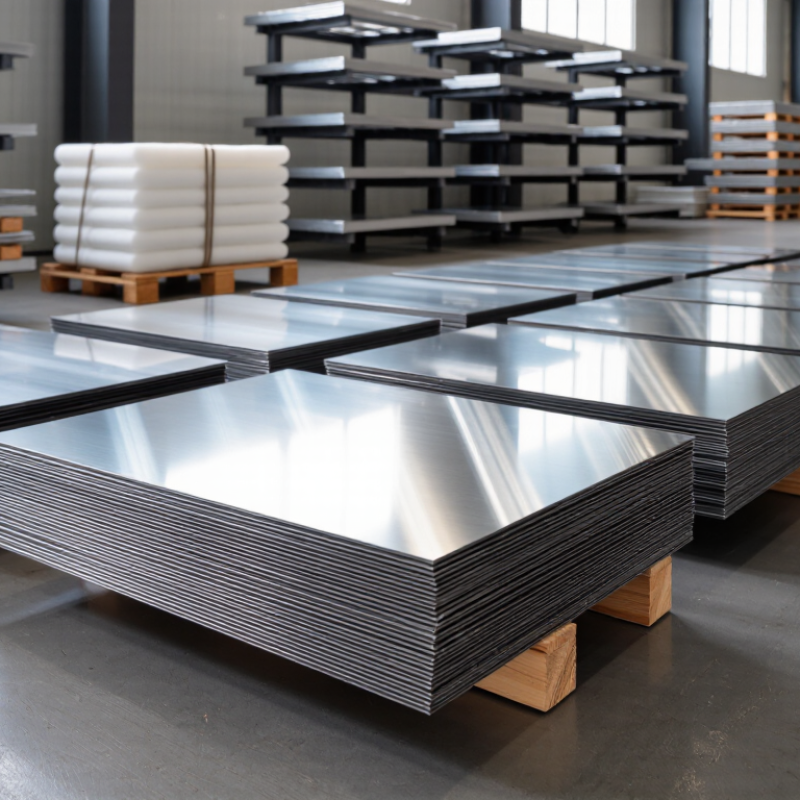
316 stainless steel is an austenitic stainless steel containing chromium, nickel, and molybdenum. Its molybdenum content improves resistance to chloride corrosion. This matters near seawater, deicing salt, and chemical processing areas.
Compared with 304 stainless steel, 316 usually performs better in salty or acidic environments. A 304 plate may develop small rust spots around coastal welds. A 316 plate generally offers stronger protection there, although it is not completely corrosion-proof. Surface contamination, poor drainage, and rough welds can still cause problems.
The low-carbon version, 316L, is often selected for welded structures. Its reduced carbon content helps limit carbide precipitation near welds. That detail can protect corrosion resistance in heat-affected zones. In the annealed condition, 316 is normally non-magnetic. Cold forming may create slight magnetism, which sometimes surprises buyers.
For practical purchasing, a reliable supplier should provide the correct grade, thickness, surface finish, and material certificate. Traceable heat numbers help connect each plate with its production records. I have seen specifications fail because “316” was treated as a complete requirement. It is not. Chloride concentration, temperature, fabrication methods, and expected service life also influence the choice. A plate can look perfect during inspection yet perform poorly in an unsuitable environment.
316 stainless steel contains molybdenum, which improves resistance to chloride-related corrosion compared with 304 stainless steel.
The chart shows representative midpoint values from ASTM A240 chemical-composition ranges for common 304 and 316 stainless steel plate grades. 316 typically contains about 2–3% molybdenum, making it a suitable choice for marine, coastal, chemical-processing, and chloride-exposed environments. Actual composition may vary by grade and applicable specification.
A reliable supplier matters because plate performance begins before fabrication. 316 stainless steel contains molybdenum, which improves resistance to pitting in chloride-rich environments. That matters near seawater, brine tanks, coastal processing areas, and de-icing salt. Its chromium and nickel content support a stable passive surface. The result is durable protection, not permanent immunity.
These plates also combine useful strength with practical formability. They can be cut, bent, machined, and welded when procedures match the thickness and service conditions. A clean, correctly finished surface reduces places where contaminants can collect. Smooth does not always mean better. Some equipment needs a specified roughness for cleaning or drainage. At elevated temperatures, strength and corrosion behavior can change, so design data must guide selection. This is where qualified technical advice has real value.
An experienced supplier should provide heat numbers, material certificates, dimensional records, and clear surface descriptions. Check thickness tolerance, flatness, edge condition, and packaging before production begins. Small errors become expensive after cutting. Not every 316 plate suits every process. Welding may create sensitization risks if heat control is poor, and salt deposits can still cause corrosion under harsh exposure. That limitation is easy to overlook. A careful supplier discusses cleaning, storage, testing, and the actual environment instead of promising perfection. Reliable documentation and honest boundaries make the material easier to trust.
A qualified 316 stainless steel plate supplier should offer more than competitive pricing. They should understand how the plate will be used, including chemical exposure, temperature changes, and fabrication methods. Experienced suppliers can recommend suitable thicknesses, surface finishes, and tolerances without making careless promises. They should also provide clear mill certificates, chemical composition data, mechanical test results, and heat-number traceability.
Reliable documentation matters during receiving inspections. Each plate should match the order, certificate, dimensions, and specified grade. Ask how the supplier controls flatness, surface defects, cutting accuracy, and packaging. Strong suppliers inspect materials before shipping and protect plates from moisture, dirt, and handling damage. Their answers should be specific, not simply reassuring.
Tips: Request a sample certificate before ordering. Confirm the applicable standard and test requirements. Ask for photos of packed plates when appearance matters. Check response times as well as prices. A low quote can become expensive after delays, rejected material, or repeated cutting. No supplier is flawless, and that is worth remembering. The real test is how openly they report mistakes and correct them. A dependable partner keeps communication practical, records complete, and quality consistent across repeated orders.
Choosing a 316 stainless steel plate supplier requires more than comparing prices. Quality begins with controlled melting, accurate chemistry, and complete material traceability.
The International Stainless Steel Forum reported 58.4 million tonnes of global stainless steel production in 2023. This scale makes consistent verification essential.
A reliable supplier should provide heat numbers, mill test certificates, and records matching each plate. Certificates should confirm chromium, nickel, molybdenum, carbon, thickness, and mechanical properties.
Testing should follow recognized specifications, such as ASTM A240 or EN 10088-2, depending on the project. Calibrated instruments also matter. Small measurement errors can create costly fabrication problems.
Independent testing strengthens confidence. Laboratories working under ISO/IEC 17025 can verify chemical composition, tensile strength, and dimensional accuracy.
A supplier operating an ISO 9001 quality system should also control nonconforming material and corrective actions. The ISO Survey 2022 recorded more than 1.2 million ISO 9001 certificates worldwide, but certification alone proves little without practical records.
Ask for sample reports.
During a factory review, inspect plate markings, storage conditions, and surface protection. Moisture, mixed heat numbers, or damaged edges may reveal weak handling.
No system is flawless. Even experienced suppliers can miss a detail. The better ones admit uncertainty, investigate it, and document the result.
Compliance must also match the destination market and the plate’s intended service conditions.
When comparing a 316 stainless steel plate supplier, price should never stand alone. Request a detailed quotation with grade, thickness, size, finish, quantity, and packing clearly listed. A low price may exclude cutting, export packing, freight, or inspection fees. Compare the final delivered cost instead.
Reliable suppliers provide mill test certificates, heat numbers, and clear chemical composition records. These documents support traceability and help confirm corrosion resistance. Ask how the supplier controls thickness tolerance and surface quality. Small differences can affect welding, forming, and installation. Technical staff should explain suitable finishes and cutting methods without making vague promises.
Service also affects the real cost. Check response times, drawing support, replacement policies, and communication during production. Delivery should include production lead time, stock status, loading dates, and transport arrangements. Ask for updates when orders change. It sounds basic, but missed updates can stop a fabrication line. A supplier may offer the fastest delivery, yet rushed inspection creates risk. I have found that a realistic schedule is often more useful than an impressive promise. No comparison is perfect. Review recent records, sample documents, and actual packing photos before committing.
| Comparison Dimension | Stock Distributor | Regional Service Center | Mill-Direct Supplier | Project-Focused Fabricator |
|---|---|---|---|---|
| Best Fit | Small and urgent orders requiring standard plate sizes. | Recurring orders that need cutting, leveling, or local delivery. | Large-volume projects with planned purchasing schedules. | Projects requiring plate supply plus machining, forming, or fabrication. |
| Indicative Material Cost | USD 5.50–9.00/kg | USD 5.00–8.50/kg | USD 4.50–7.50/kg | USD 6.00–10.00/kg, excluding fabrication |
| Typical Minimum Order | Approximately 1–5 plates, depending on size and availability. | Approximately 100–500 kg for processed or scheduled orders. | Usually 1–5 metric tonnes or a full production batch. | Usually based on project scope; may accept low-volume fabricated orders. |
| Common Thickness Range | Approximately 3–50 mm from regular stock. | Approximately 3–100 mm, subject to local inventory. | Approximately 3–150 mm or thicker by production agreement. | Approximately 3–100 mm, subject to forming and machining capability. |
| Material Grade and Standard | 316/316L plate commonly supplied to ASTM A240 or equivalent requirements. | 316/316L plate with traceability and certificates available for qualifying orders. | 316/316L produced to an agreed standard such as ASTM A240 or EN 10088-2. | 316/316L supplied with material documentation and fabrication records when specified. |
| Surface Finish Options | Commonly 2B or hot-rolled plate; polished finishes may require a special order. | 2B, No. 1, brushed, or polished options may be available through processing partners. | Usually offers standard mill finishes; specialty finishes require production planning. | Can coordinate brushed, polished, blasted, or fabricated surface requirements. |
| Cut-to-Size Service | Limited; often restricted to standard dimensions or basic saw cutting. | Strong; plasma, laser, waterjet, or saw cutting may be available. | Available by arrangement, usually with minimum quantities and longer planning times. | Very strong; cutting can be combined with drilling, bending, or welding. |
| Quality Documentation | Mill test certificates are commonly available for traceable stock. | Mill certificates, dimensional reports, and processing records may be provided. | Strongest traceability, including heat number and production documentation. | Can provide material certificates plus inspection records for the completed component. |
| Typical Lead Time | 1–7 business days for available stock, plus transit time. | Approximately 3–15 business days, depending on processing and queue length. | Approximately 4–12 weeks for production, testing, and export preparation. | Approximately 2–10 weeks, depending on fabrication complexity and inspection needs. |
| Delivery Options | Parcel, less-than-truckload, or standard freight delivery. | Local truck delivery, scheduled routes, or regional freight. | Full-container, break-bulk, or full-truckload shipping for planned orders. | Packaged component delivery, project-site shipment, or coordinated freight. |
| Freight Cost Consideration | Higher cost per kilogram for small shipments and individual plates. | Moderate cost; local delivery can reduce long-distance freight charges. | Lower cost per kilogram at high volume, but port, customs, and inland charges apply. | Freight may be higher because parts require protective packaging and special handling. |
| Payment and Pricing Flexibility | Often suited to payment before shipment or short-term trade terms. | May offer account pricing for repeat customers and scheduled releases. | Usually negotiates pricing by tonnage, contract duration, and payment terms. | Pricing is generally quoted as a combined material and processing package. |
| Main Cost Advantage | Lower total procurement effort when only a small quantity is required. | Reduced handling and transportation costs for regional buyers. | Lowest potential unit cost for large, predictable orders. | Lower overall project coordination cost when several fabrication services are required. |
| Main Risk to Check | Stock may not match the required thickness, flatness, or certificate requirements. | Processing fees, minimum charges, and delivery schedules can vary by service. | Longer lead times, import procedures, and larger minimum quantities. | Fabrication tolerances, subcontracted processes, and packaging requirements must be defined. |
| Recommended Questions Before Ordering | Is the exact heat number, thickness tolerance, finish, and quantity in stock? | What are the cutting tolerances, setup fees, delivery zones, and certificate charges? | What are the production schedule, inspection plan, Incoterms, and export documents? | Who controls material traceability, welding procedures, dimensional inspection, and final packing? |
| Benchmark note: Material prices and lead times are indicative planning ranges in USD and can change with nickel and molybdenum costs, plate thickness, quantity, surface finish, certification, region, freight, duties, and exchange rates. Confirm the final quotation against the required 316/316L grade, applicable standard, dimensions, tolerances, inspection documents, delivery terms, and total landed cost. | ||||
+44 (0)1373 831 373