How to Choose the Right Cheese Machinery in 2026?

Choosing the right cheese machinery in 2026 requires more than comparing prices, capacity, or polished product photos. It requires practical judgment. A small artisan plant may need flexible vats, gentle curd handling, and simple cleaning access. A high-volume factory may prioritize automated dosing, continuous pressing, and digital process monitoring.

Cheese scientist Michael H. Tunick describes cheesemaking as “both an art and a science.” That principle also applies to equipment selection. Machinery must respect the science of milk, cultures, temperature, moisture, and aging. It must also fit the people using it every day. A machine that looks impressive can still create uneven curds, difficult cleaning routines, or expensive downtime.

This guide examines cheese machinery through measurable details. Consider batch size, product variety, energy use, water consumption, sanitation design, spare parts, and operator training. Check whether stainless-steel surfaces are accessible and whether cleaning systems reach hidden corners. Ask suppliers for performance data, installation requirements, and maintenance records. Request a factory trial when possible.

Do not trust every brochure.

Real production can be messier. Milk quality changes. Recipes evolve. Operators make mistakes. Even advanced sensors need calibration. A reliable choice should remain useful when conditions are less than perfect.

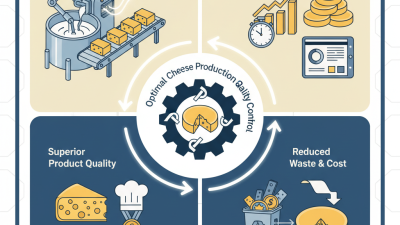
The best cheese machinery is not always the fastest option. It is the equipment that delivers repeatable quality, protects food safety, supports workers, and earns its cost over time. In 2026, careful buyers will compare technology with experience, evidence, and a clear understanding of their own cheese plant.

How to Choose the Right Cheese Machinery in 2026?

Define Your Cheese Production Goals and Processing Requirements

How to Choose the Right Cheese Machinery in 2026?

Define Your Cheese Production Goals and Processing Requirements

Before comparing cheese machinery in 2026, define the product you plan to make. Fresh cheese needs gentle curd handling and rapid cooling. Aged varieties require consistent moisture control, salt application, and reliable pressing. Record your target batch size, milk volume, texture, fat range, and production schedule. Include seasonal changes. Small pilot runs often expose problems that sales forecasts miss.

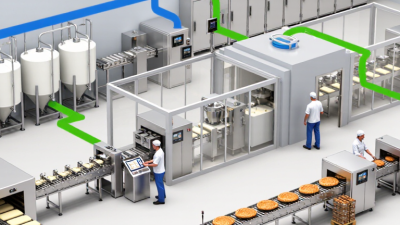
Review each processing step on paper. Measure heating time, cutting speed, whey drainage, cleaning duration, and operator access. Machinery should match your real workflow, not an imagined factory. Ask for verified capacity data and tests under similar conditions. Check temperature sensors, control records, and emergency stops. Food-contact surfaces should be easy to inspect and clean. A machine that saves labor but creates cleaning gaps is not efficient. Transfer pumps are often chosen too late.

Tips: Leave space around tanks and conveyors for inspection. Calculate water, steam, electricity, and wastewater needs before ordering. Request a sample batch or factory trial when possible. Train operators to record yield, curd loss, and downtime. Do not trust capacity claims without defining product and cycle conditions. Your first specification may be imperfect. Revise it after testing, then compare suppliers against the same measured requirements.

Match Machine Types to Cheese Styles and Production Stages

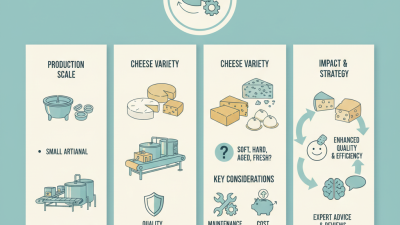
Choosing cheese machinery in 2026 starts with the cheese, not the catalog. Soft, semi-hard, and hard varieties behave differently during cutting, cooking, pressing, and aging. For fresh cheese, select gentle curd cutters, hygienic vats, and accurate draining systems. These protect fragile curds from tearing. Semi-hard cheese needs controlled cooking, stirring, molding, and pressing. Hard cheese often requires stronger curd handling, whey separation, and dependable pressing force. I have found that a machine rated for maximum output can still damage delicate curds. More capacity is not always better.

Production stage matters just as much as cheese style. A small creamery may need flexible equipment for several recipes, while a high-volume plant usually benefits from dedicated lines. Check temperature control during cooking, cutting precision, cleaning access, and data records. These details affect texture and repeatability. During trials, measure curd moisture, yield, cycle time, and operator adjustments. Do not trust speed claims alone. A machine may run quickly but create uneven curds. That mistake becomes expensive later.

Tips: Match every machine to curd size, moisture target, batch volume, and aging plan. Ask for sample testing with your own milk. Review spare-part access and sanitation procedures. Leave room for maintenance. I once underestimated cleaning time, and production planning suffered. That lesson still matters.

Evaluate Capacity, Automation, Materials, and Product Safety

Choosing cheese machinery in 2026 requires more than comparing hourly output. Capacity must match milk supply, product variety, and cleaning windows. The OECD-FAO Agricultural Outlook 2024-2033 projects global milk production to grow by about 1.6% annually. That growth may pressure processors to expand. However, oversized equipment can create idle time, higher energy use, and difficult maintenance. Calculate realistic throughput, including curd cutting, pressing, cooling, and sanitation. A spreadsheet can still lie.

Automation should remove repetitive risks, not eliminate skilled judgment. Look for controlled temperature, cutting speed, brine concentration, and traceable batch records. The International Federation of Robotics reported strong global demand for industrial automation, but cheese plants still need flexible changeovers. Materials matter equally. Use food-contact surfaces with suitable corrosion resistance, smooth welds, and accessible drain points. Stainless steel is common, but its grade and fabrication quality deserve verification. Small surface defects can shelter residues.

Tips: Request a factory acceptance test using your actual curd recipe. Measure yield, cleaning time, water use, and operator interventions. Ask for documented hygienic design checks. Codex Alimentarius principles support preventing contamination through hygienic processing and controlled equipment design. Do not accept “fully automatic” as a safety claim. Review allergen controls, sensor calibration, emergency stops, and software access. I would also test failure recovery. Real plants experience blocked outlets, unstable cultures, and rushed cleaning. The best machine is not always the fastest. It is the one operators can inspect, clean, and safely restart.

Compare Energy Use, Maintenance Needs, and Total Ownership Costs

Choosing cheese machinery in 2026 requires more than comparing purchase prices. Energy use, maintenance, and total ownership costs often determine whether a machine earns its place on the production floor. Check the rated power, but also request measured electricity use per tonne of cheese. A compressor drawing extra power during cleaning can quietly inflate monthly bills. Numbers can mislead.

During plant evaluations, I inspect motors, pumps, seals, bearings, and control panels. These parts face moisture, salt, heat, and frequent sanitation cycles. Ask how often each component needs inspection and whether technicians can reach it without removing major covers. A ten-minute daily check may prevent a costly weekend shutdown. Downtime hurts. My first maintenance estimate was too optimistic.

Build a five-year cost model before choosing equipment. Include electricity, water, cleaning chemicals, labor, spare parts, training, waste, and lost production. Compare machines by output quality, not capacity alone. A faster line may create more whey loss or require extra cooling. Request service records from similar installations, not only supplier projections. Energy meters and maintenance logs provide stronger evidence. Also test the equipment with your actual milk volume and cleaning routine. Small differences in temperature control can affect texture, yield, and rework. Leave room for uncertainty, because utility prices and repair delays rarely follow the original spreadsheet.

Verify Suppliers, Customization Options, Compliance, and After-Sales Support

How to Choose the Right Cheese Machinery in 2026?

Choosing cheese machinery requires more than comparing production capacity. Verify the supplier’s registration, factory experience, technical team, and customer references. Ask for test videos using similar milk and cheese recipes. A polished website proves little. Request detailed drawings, material certificates, performance data, and a written quotation.

Customization should match your curd texture, moisture level, batch size, and cleaning process. Discuss heating accuracy, cutting speed, drainage, automation, and operator safety. Confirm whether the machine supports hygienic design and cleaning-in-place procedures. Check compliance with applicable food safety, electrical, pressure, and workplace requirements in your market. Do not accept vague certificates. Request document numbers and inspection records.

Tips: Put every promise in the contract. Include delivery dates, acceptance tests, spare parts, training, warranty coverage, and response times. Ask who will repair the machine after installation. Local technicians may reduce downtime, but their availability should be confirmed in writing. One common mistake is choosing high output before checking cleaning time. I have seen production plans fail there. Leave room for adjustment; real cheese batches rarely behave perfectly. Ask for a factory acceptance test before shipment. Small details matter.