Top 5 Tips for Choosing the Right Circulating Pump?
Choosing the right Circulating Pump is critical for efficiency and reliability in various systems. A circulating pump plays a vital role in heating systems, cooling systems, and other fluid transfer applications. The right pump can enhance performance and reduce energy costs, while the wrong choice may lead to inefficiencies and early failures.
When selecting a circulating pump, consider factors such as flow rate and energy consumption. Many people overlook the importance of pump sizing, which can lead to significant issues. It is essential to gather detailed specifications and understand the specific needs of your system. A poorly chosen circulating pump might result in increased wear and tear or inadequate performance.
Investing time in research and consultation with experts can provide valuable insights. Past experiences show that improper selection can severely impact system performance. Engaging with knowledgeable suppliers helps clarify the complexities of circulating pumps. Ultimately, making an informed decision enhances reliability and boosts system efficiency.
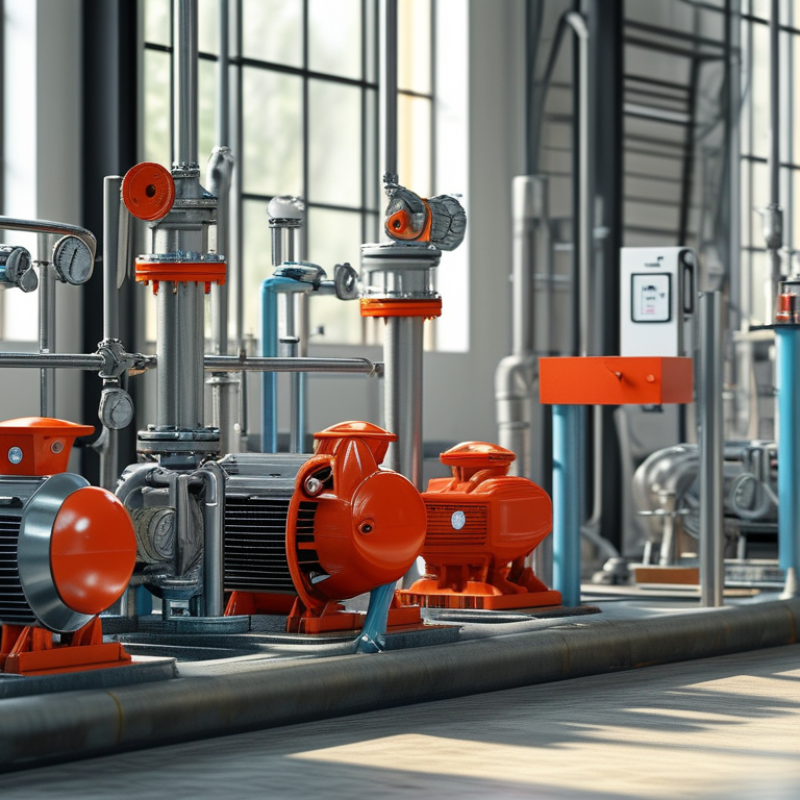
Understanding the Role of Circulating Pumps in Systems
Circulating pumps play a vital role in various systems, such as heating, cooling, and water distribution. They ensure fluid moves efficiently through pipes, maintaining temperature consistency and system reliability. Understanding their function helps in selecting the right pump for your needs.
Another essential factor is energy efficiency. An efficient pump minimizes operational costs. Look for options with high energy ratings. Regular maintenance also affects performance and longevity. Neglecting this can result in pump failure, leading to costly repairs. Always ensure you choose a reliable model and keep it in optimal condition.
When choosing a circulating pump, consider its flow rate and head pressure. The flow rate determines how quickly the fluid circulates. Head pressure indicates how high the pump can move the liquid. Insufficient specifications can lead to system failures or inefficiencies. It's crucial to assess your system’s requirements accurately.
Identifying Key Specifications for Your Circulating Pump Needs
When selecting a circulating pump, identifying key specifications is crucial. One of the most important factors is flow rate. The flow rate should align with your system’s requirements. According to industry data, many residential systems operate efficiently at flow rates ranging from 3 to 15 gallons per minute (GPM). Choosing a pump with the correct flow rate ensures your systems run effectively.
Another significant specification is the pump’s head pressure. Ensure the pump can overcome the height of your system. For example, a typical heating system may need a head of 10 to 15 feet. This detail is often overlooked. Inadequate head pressure can lead to system inefficiencies and increased energy costs.
Energy efficiency is vital. Pumps with higher energy efficiency can reduce operational costs. Look for the Energy Star rating. Reports show that an energy-efficient pump can save up to 30% in energy costs over its lifetime. Lastly, consider the pump material. Pumps made from bronze or stainless steel may offer durability in specific applications. However, cheaper options might seem appealing initially but can lead to more significant expenses in maintenance. Each choice matters.
Evaluating Energy Efficiency and Performance Ratings
Energy efficiency plays a crucial role when selecting a circulating pump. The U.S. Department of Energy estimates that pumps consume around 20% of industrial electricity. Using energy-efficient pumps can significantly lower operational costs. Look for models with high performance ratings that meet or exceed Energy Star benchmarks. These ratings indicate not only efficiency but also reliability over time.
Consider the Total Cost of Ownership (TCO) when assessing different pumps. A pump may have a lower upfront cost but higher energy consumption could lead to greater expenses over its lifespan. For example, a more efficient pump may cost 30% more initially but save thousands over ten years. Pay attention to the pump’s flow rate and head pressure to ensure it meets system demands without wasting energy.
Tip: Always check certifications. Pumps with certifications from organizations like the Hydraulic Institute indicate rigorous testing for performance and energy use. These can provide reassurance of a pump’s efficiency claims. Remember that not all ratings are created equal, so independent verification is critical in your decision-making process. Another tip would be to consult energy audits to gauge existing system performance; it helps identify the right upgrade options.
Top 5 Tips for Choosing the Right Circulating Pump
| Tip | Description | Energy Efficiency Rating | Performance Rating |
| 1. Determine Flow Rate | Assess the required flow rate based on system needs. | A | High |
| 2. Check Head Pressure | Ensure the pump can deliver the necessary head pressure. | B | Medium |
| 3. Evaluate Size and Fit | Make sure the pump fits in designated space. | C | Low |
| 4. Analyze Noise Level | Consider the operational noise, especially for residential use. | A+ | Very High |
| 5. Inspect Maintenance Needs | Evaluate the ease of maintenance and availability of parts. | B+ | Moderate |
Considering Installation and Maintenance Requirements
When selecting a circulating pump, installation and maintenance are crucial factors to consider. It's essential to understand the space where the pump will be installed. A crowded area can complicate access later for repairs or replacements. Adequate clearance around the unit allows for easier servicing and ensures longer pump life. Using tools suited for tight spaces can also make installation smoother.
Maintenance requirements should not be overlooked. Check if the pump has accessible parts for periodic cleaning and inspection. Some pumps may require specialized skills for maintenance. This could lead to longer downtime if problems arise. Think about the availability of replacement parts too. A pump with widely available components can save time and money in the long run.
Consider the power source needed for the pump. Assess the electrical requirements and whether they fit your setup. Verify if additional electrical work is necessary. Poor planning during installation can lead to issues later on. Always aim for a well-thought-out approach to avoid headaches in the future. Each decision made now can impact efficiency and reliability later.
Top 5 Tips for Choosing the Right Circulating Pump
This chart illustrates the essential performance metrics to consider when choosing the right circulating pump. The dimensions assessed include flow rate, energy efficiency, noise level, installation ease, and maintenance frequency, which are critical for ensuring optimal performance and user satisfaction.
Reviewing Brand Reputation and Customer Feedback
When selecting a circulating pump, one critical factor is brand reputation. A strong brand often indicates a proven track record. Research shows that around 70% of customers consider brand reliability as essential in their purchasing decision. This highlights the importance of choosing well-established brands known for quality.
Customer feedback plays a pivotal role in evaluating pumps. Reviews provide insights into real-world performance. A survey revealed that nearly 65% of users rely on customer ratings before making a purchase. Many users share their experiences online, pointing out issues related to noise levels or energy efficiency. These honest assessments can guide potential buyers in making informed choices.
Some brands may have great marketing but fail to deliver. Instances of poor customer service or product malfunctions can tarnish a brand's reputation. Analyzing both positive and negative feedback can help in identifying potential pitfalls. Trustworthy sources recommend checking multiple review platforms for a well-rounded view of each option. This diligence can lead to a more satisfying purchase experience in the long run.