Why Choosing the Right Creamery Equipment is Essential for Your Dairy Business
In the competitive world of dairy production, choosing the right creamery equipment can make a significant difference to the success and efficiency of your business. The equipment you select directly impacts not only the quality of your products but also the overall operational workflow and cost-effectiveness. As dairy businesses strive to meet growing consumer demands while adhering to stringent safety and quality standards, investing in suitable creamery equipment becomes a critical decision that can set your enterprise apart from the competition.
Understanding the different types of creamery equipment available is essential for tailoring your operations to both your production needs and business goals. From pasteurizers and separators to churns and conveyors, each piece of equipment plays a vital role in ensuring that your dairy products maintain their freshness and flavor. Moreover, the right equipment can enhance productivity, reduce waste, and improve sustainability practices, all of which contribute to the long-term viability of your dairy business. In this article, we will explore the importance of selecting appropriate creamery equipment and how it can ultimately lead to greater profitability and success in the dairy industry.
Understanding the Importance of Creamery Equipment in Dairy Operations
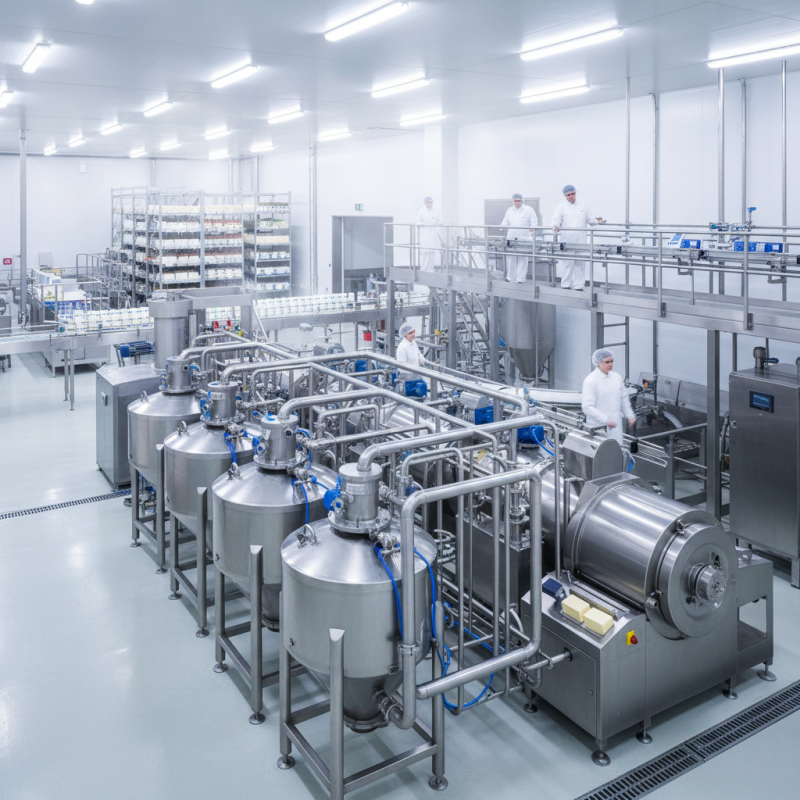
The significance of creamery equipment in dairy operations cannot be overstated. Properly selected equipment not only boosts productivity but also enhances product quality, ensuring that dairy businesses can effectively compete in a crowded market. The right machinery streamlines processes such as pasteurization, homogenization, and separation, and allows for consistency in both flavor and texture, which are crucial for consumer satisfaction.
Moreover, investing in suitable creamery equipment facilitates compliance with health and safety regulations. This machinery is designed to maintain hygiene and efficiency, minimizing the risk of contamination and spoilage. By prioritizing reliable equipment that supports operational demands, dairy businesses can safeguard their reputation while ensuring the longevity of their operations. Ultimately, the choice of creamery equipment directly influences the overall success and sustainability of dairy production.
Importance of Creamery Equipment in Dairy Operations
Key Factors to Consider When Selecting Creamery Equipment
When selecting creamery equipment for your dairy business, several key factors must be considered to ensure efficiency, quality, and profitability. According to a report by the Dairy Processing Equipment Market, the global dairy equipment market is expected to reach approximately $21.62 billion by 2025, emphasizing the growth potential within the industry. As a dairy producer, it’s essential to invest in equipment that not only meets your production needs but also enhances the quality of your products. Factors such as production capacity, energy efficiency, and maintenance requirements play critical roles in the decision-making process.
Another vital consideration is the adaptability of the equipment to future advancements in dairy processing technology. A survey by the International Dairy Federation indicates that over 60% of dairy businesses plan to upgrade their equipment within the next five years to remain competitive and meet evolving consumer demands. This trend highlights the importance of selecting equipment that is not only suitable for current operations but can also be adjusted or expanded in response to market trends. Therefore, a thorough analysis of your specific operational requirements, along with an assessment of potential growth, will guide you in making well-informed purchasing decisions that align with your business objectives.
Types of Creamery Equipment Essential for Dairy Production
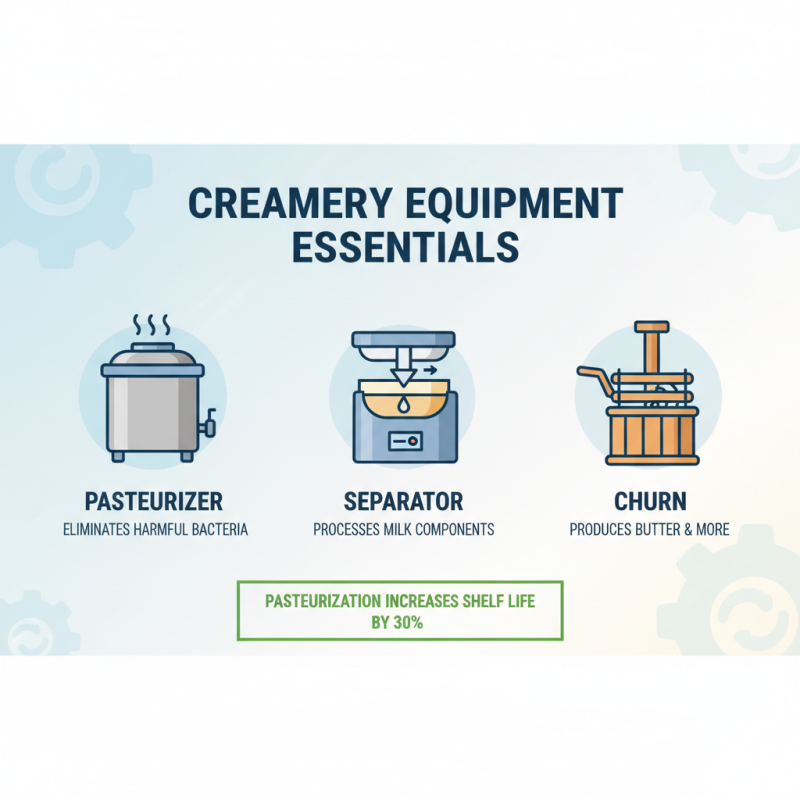
The selection of appropriate equipment in a creamery is vital for optimal dairy production. Essential types of creamery equipment include pasteurizers, separators, and churns. Pasteurizers play a critical role in eliminating harmful bacteria while preserving the quality of milk. According to the Dairy Research Institute, the pasteurization process can enhance the shelf life of dairy products by up to 30%, making it a fundamental component for any dairy business focused on food safety and product longevity.
Separators are equally crucial, allowing the dairy processor to separate cream from milk efficiently. By using high-speed centrifuges, separators can improve cream yield, which is essential for creating butter and cheese products. Reports from the International Dairy Foods Association indicate that optimized separation can increase cream yields by as much as 5%, translating to significant cost savings and increased profitability. Finally, churns are essential for transforming cream into butter, with advancements in technology allowing for higher efficiency and better quality control during the churning process.
Investing in the right creamery equipment not only promotes efficiency but also contributes to product innovation and compliance with industry standards. Therefore, understanding the functions and benefits of these primary equipment types is critical for any dairy business aiming for success in a competitive marketplace.
Assessing the Costs and ROI of Creamery Equipment Investments
When it comes to running a successful dairy business, selecting the right creamery equipment is pivotal not only for product quality but also for financial sustainability. Understanding the costs associated with different types of equipment and calculating the expected return on investment (ROI) can significantly influence the decision-making process. Setting a clear budget and conducting thorough research on the machines' specifications will help in choosing equipment that aligns with your production goals while staying within your financial parameters.
Tips: Consider the long-term maintenance costs associated with the equipment you choose. Often, more expensive machinery may have lower operational costs due to durability and energy efficiency, resulting in a higher ROI over time. Additionally, factor in potential production savings that could arise from automation and efficiency enhancements.
Moreover, think about scalability when assessing equipment costs. Investing in machinery that accommodates future expansion can prevent the need for costly upgrades down the line. It’s essential to forecast your growth and understand how your equipment choices today may impact your profitability in the long run.
Tips: Engage with industry experts or consultants who can offer insights based on recent trends and advancements in creamery technology. Their experiences can guide you toward making informed decisions that balance upfront costs with long-term benefits.
Maintenance and Upkeep for Longevity of Creamery Machinery
Maintaining creamery equipment is crucial for the longevity and efficiency of a dairy business. Regular maintenance not only ensures that machines function optimally but also prevents unexpected breakdowns that can lead to costly downtime. It is essential to establish a routine maintenance schedule that includes thorough cleaning, lubrication of moving parts, and inspection of critical components. By proactively addressing wear and tear, dairy operators can extend the lifespan of their equipment and reduce the risk of compromising product quality.
Additionally, proper training for staff on equipment operation and maintenance practices can significantly enhance the effectiveness of upkeep efforts. Employees should be well-versed in identifying potential issues, such as unusual noises or performance inconsistencies, which can indicate the need for immediate attention. Implementing a culture of care and responsibility among team members fosters accountability and helps maintain the integrity of the machinery. Investing in maintenance plans can ultimately lead to more efficient operations, better product quality, and a stronger bottom line for any dairy business.