Choosing the right Work Wear for global sourcing is not simply a fabric or price decision. It affects worker comfort, movement, durability, brand reputation, and purchasing risk. A jacket may look strong in a sample room, yet fail after repeated washing, harsh light, or daily kneeling. Small details matter. Cuff stitching, pocket depth, zipper strength, and fabric recovery can change performance on the job. Good sourcing begins with the real working environment, not a polished product photograph.
Experienced buyers study tasks, climate, shift length, laundering methods, and required protective features before requesting quotations. They compare fabric weight, breathability, shrinkage, colorfastness, seam construction, and size consistency. Supplier capability also deserves close attention. Factory audits, sample approval, production records, and independent testing can support more dependable decisions. Requirements differ across countries and industries, so buyers should confirm current standards with qualified local professionals and recognized testing bodies. Documentation should be clear and traceable.
Price still matters. It should not become the only measure. A low unit cost can hide replacement expenses, inconsistent sizing, or delayed deliveries. No checklist is perfect. Even careful teams may overlook heat buildup under a safety vest or discomfort around a reinforced knee. That is why field trials, wearer feedback, and pre-shipment inspections remain valuable. This guide explains how to balance performance, compliance, supplier reliability, and total cost when sourcing Work Wear across borders. The aim is practical judgment, not easy promises.
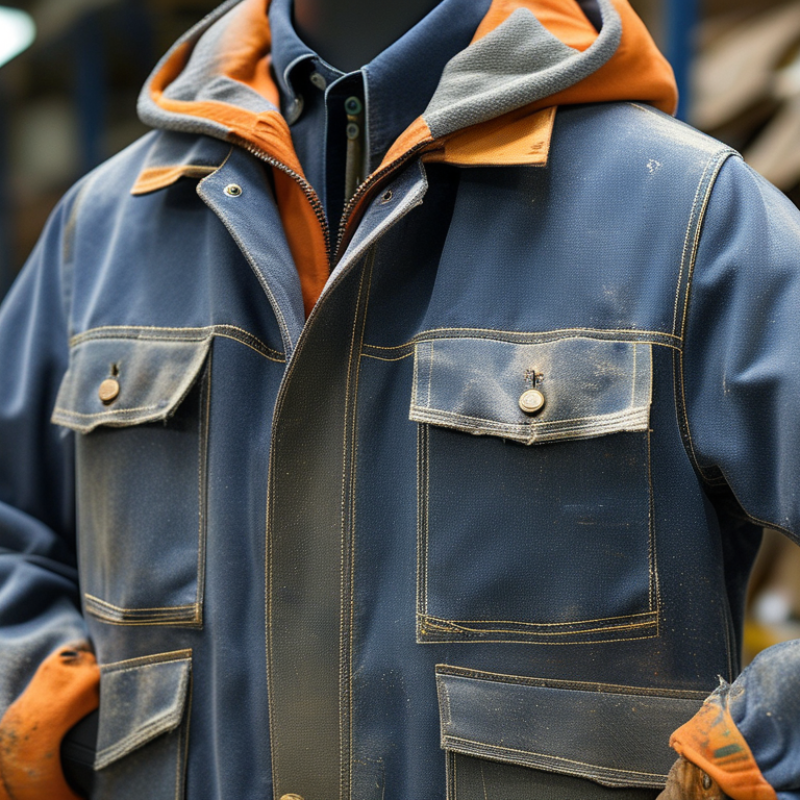
How to Choose the Right Work Wear for Global Sourcing?
Work wear should begin with the job, not the catalogue. Define each role by hazards, movement, climate, and working hours. A warehouse picker needs stretch panels, reinforced knees, and breathable fabric. A welder needs heat-resistant protection and minimal exposed hardware. Outdoor road crews require high-visibility garments that remain visible in rain and low light.
The ILO estimated 2.93 million work-related deaths and 395 million non-fatal injuries worldwide in 2023. These figures show why vague specifications create real risks. For high-visibility roles, check ISO 20471 requirements, reflective coverage, and color performance after washing. For heat exposure, review ISO 11612 criteria. Chemical work requires material-specific testing, not general claims such as “industrial grade.” Work wear may support safety, but it cannot replace certified personal protective equipment.
Fit testing is often overlooked. It should include bending, climbing, reaching, and wearing gloves or harnesses. A garment that fits a standing worker may restrict movement on a ladder. Small details matter: pocket placement, zipper length, cuff adjustment, and seam strength. BLS recorded 5,283 fatal occupational injuries in the United States during 2023, with transportation among the major risk areas. Sourcing teams should request laboratory reports, wash-test results, and size samples before approval. A weakness remains: laboratory performance may not reflect daily abuse. Field feedback can expose that gap.
Choosing work wear for global sourcing starts with the fabric, not the appearance. In factory visits, I check fabric weight, fiber content, stretch, and shrinkage after washing. A cotton blend may improve breathability and strength, while ripstop fabric can limit small tears. However, heavier material is not always better. It may trap heat during long shifts. No fabric is perfect.
Durability depends on construction as much as fiber. Inspect seam density, bartacks, pocket corners, closures, and reflective details. Ask suppliers for abrasion, colorfastness, shrinkage, and repeated-wash test results. Small defects often appear after the fifth or sixth wash. That detail matters. Request production samples, then test them under realistic movement and cleaning conditions. Laboratory reports are useful, but they cannot replace hands-on evaluation.
Comfort affects concentration and safe movement. Check shoulder width, sleeve rotation, waistband pressure, and ventilation in several body sizes. Protection requires a documented hazard assessment before selecting any claimed protective feature. Verify the relevant standard, certificate scope, test date, and product marking for the destination market. A garment designed for visibility may not protect against heat, chemicals, or electrical hazards. I have seen teams focus on compliance labels and overlook poor fit. That is a costly weakness. Ask independent testing bodies or qualified safety specialists to review uncertain claims, and keep records for every approved style.
| Evaluation Dimension | Recommended Specification or Benchmark | Relevant Test or Standard | Why It Matters in Global Sourcing | Sample Acceptance Criteria |
|---|---|---|---|---|
| Fabric Composition | Choose fiber content according to the work environment. Common options include cotton-rich fabric for comfort, polyester blends for dimensional stability, and aramid or inherently flame-resistant fibers for high-risk applications. | Fiber composition verification; technical data sheet review; applicable protective-clothing standard. | Fiber selection affects moisture management, shrinkage, drying speed, abrasion resistance, thermal behavior, and care requirements. | Composition matches the approved specification; no unapproved fiber substitution; supplier provides lot traceability. |
| Fabric Weight and Construction | Select fabric weight based on climate and task. Lightweight fabrics generally improve heat comfort, while heavier twill or canvas constructions usually provide greater mechanical protection. | Mass per unit area; weave or knit construction; thickness; dimensional stability after washing. | A fabric suitable for a cool warehouse may be unsuitable for hot, humid outdoor work. Weight also influences freight cost and seasonal usability. | Measured fabric weight remains within the agreed tolerance after production approval; garment remains fit for the intended climate. |
| Abrasion and Tear Resistance | Use reinforced panels, bartacks, durable seam construction, and suitable fabric where garments contact machinery, tools, pallets, or rough surfaces. | ISO 12947 for Martindale abrasion; ISO 13937 for tear strength; ISO 13934 for tensile strength. | High abrasion and tear resistance can reduce replacement frequency and total cost of ownership. | Test results meet the buyer’s risk-based minimum; no seam opening, fabric rupture, or unacceptable damage after laboratory testing. |
| Shrinkage and Colorfastness | Control shrinkage, shade variation, rubbing fastness, washing fastness, perspiration fastness, and light fastness. | ISO 5077 for dimensional change; ISO 105 series for colorfastness; care-label validation. | Global workwear programs often use repeated industrial or commercial laundering. Poor dimensional stability can affect fit and protective coverage. | Post-wash dimensions and color remain within the approved tolerance; labels accurately state washing and drying conditions. |
| Comfort and Moisture Management | Prioritize breathable construction, moisture-wicking finishes where appropriate, smooth seams, ergonomic patterning, and ventilation openings that do not compromise protection. | Air permeability; water-vapor resistance; moisture management testing; wearer trials in representative climates. | Improved comfort can support worker acceptance, reduce heat stress, and encourage consistent use of protective garments. | No restrictive movement during bending, reaching, climbing, or kneeling; comfort feedback meets the buyer’s trial threshold. |
| Flame and Heat Protection | Use the protection level required by the hazard assessment. Distinguish between treated flame-resistant fabrics and inherently flame-resistant fibers, and verify performance after the specified care cycle. | ISO 11612 for clothing to protect against heat and flame; ISO 11611 for welding and allied processes. | Protective performance must match the actual hazard, exposure duration, garment design, and laundering method. | Valid laboratory certificate for the required protection classes; performance remains compliant after the declared number of washes. |
| Visibility and Electrical Properties | For low-light or traffic environments, specify background material, retroreflective material, placement, and minimum visible area. For static-control environments, specify conductive or dissipative construction. | ISO 20471 for high-visibility clothing; EN 1149 series for electrostatic properties; regional requirements may also apply. | Visibility and electrostatic control requirements differ by task, risk assessment, and destination market. | Correct classification and marking; reflective components remain securely attached and functional after the specified care cycle. |
| Industrial Laundering and Service Life | Define the washing temperature, detergent type, drying method, ironing limits, repair process, and maximum validated wash cycles before production. | ISO 15797 for industrial washing and finishing evaluation; care-label requirements based on the destination market. | A garment that performs well when new may lose color, fit, reflectivity, or protective performance if the care process is unsuitable. | Garment remains structurally sound and within the required appearance and protection limits after the agreed laundering cycle. |
| Fit, Sizing, and Ergonomics | Use a size chart based on target-worker measurements, provide adjustment points, and confirm coverage during active work rather than only during static fitting. | Garment measurement audit; size-set fitting; movement and coverage assessment. | Sizing systems vary across countries. Incorrect fit can reduce comfort and create gaps in protective coverage. | Approved measurement chart is maintained in production; all key sizes pass fit and movement trials. |
| Compliance and Documentation | Require a technical pack, bill of materials, test reports, conformity documentation where applicable, care instructions, batch records, and change-control procedures. | ISO 13688 for general protective-clothing requirements, used together with the specific hazard standard. | Complete documentation supports customs clearance, market access, quality audits, and consistent repeat orders. | Documents are current, traceable to the supplied style and material lot, and consistent with the product labeling. |
Choosing workwear for global sourcing starts with the factory, not the fabric swatch. In supplier reviews, I examine monthly capacity, sewing lines, cutting equipment, and skilled operators. A supplier may promise 20,000 jackets monthly, yet one production line can reveal the truth. Ask for recent output records, lead-time data, and examples matching your design. Capacity must fit seasonal demand, not only an optimistic sales forecast. Small details matter.
Certifications deserve close checking. Request certificates showing the legal entity, facility address, covered products, and valid dates. Confirm the issuing body’s status through its official database when available. A certificate without clear scope proves little. For protective or high-visibility garments, review applicable test reports, material specifications, and laboratory methods. Do not accept copied PDFs alone. Contact the laboratory and match report numbers with samples. Requirements differ by market, so technical review should happen before purchase orders.
Production quality appears in ordinary moments. During an audit, inspect seam allowances, shade consistency, label placement, needle control, and carton protection. Follow one garment from incoming fabric to final inspection. Check whether defects are recorded and corrected, rather than hidden during packing. Pre-production samples and a written inspection plan reduce surprises. I have learned that a clean showroom can mislead; unfinished work behind it tells more. Still, factory visits are imperfect snapshots. Repeat inspections and independent testing may cost more, but they expose weak controls before shipment. Keep communication documented, because verbal promises fade quickly.
How to Choose the Right Work Wear for Global Sourcing?
Global workwear sourcing starts with the total cost, not the unit price. Ask suppliers for fabric, stitching, packaging, inspection, and transport charges separately. A low quotation can hide expensive shipping or weak quality control. Our first estimate was wrong because we ignored carton volume. Measure packed garments before comparing freight offers. Request samples and test seams, zippers, reflective details, and washing performance. Small defects become costly when orders reach hundreds of pieces.
Minimum order quantities can shape the entire purchasing decision. A supplier may accept mixed sizes but require one color or fabric per order. Confirm these conditions in writing. Smaller quantities often cost more per garment, yet they reduce unsold inventory. Larger orders may improve pricing but tie up cash for months. Be realistic about seasonal demand. Forecasts are useful, but they are never perfect.
Lead times should include sampling, revisions, production, inspection, and shipping. Ask for a milestone schedule rather than one broad delivery date. Air freight is faster, while sea freight usually suits heavier cartons and planned replenishment. Rail or multimodal options may work for specific routes, but reliability varies. Compare door-to-door costs, customs responsibilities, insurance, and delivery risks. A spreadsheet helps, though it can still mislead. Recheck every assumption before approval.
These planning benchmarks compare common workwear sourcing regions. FOB cost is shown in USD per garment, MOQ means minimum order quantity, production lead time covers sampling approval to completion, and ocean transit is the typical port-to-port range. Air freight can reduce transit time to approximately 3–10 days but usually increases shipping cost substantially.
Workwear sourcing starts with a clear technical file, not a catalogue image. Define fabric weight, seam strength, shrinkage limits, color codes, pocket placement, and care labels. Send a sealed reference sample to every factory. Record measurements after washing. Textile Exchange’s Materials Market Report 2024 estimates global fiber production reached 124 million tonnes in 2023. That scale makes material traceability increasingly important. Ask suppliers for fiber origin, recycled-content evidence, and batch records. A spreadsheet helps, but it cannot replace physical inspection.
Customization needs controlled approval gates. Review the first sample on a real worker, with tools inside the pockets. Test movement, heat, visibility, and repeated washing. Approve a pre-production sample before bulk cutting. If the garment is classified as protective equipment, verify the destination market’s standards and conformity requirements. The Fashion Transparency Index 2023 reviewed 250 companies and reported an average transparency score of only 26%. This is a warning for buyers. Do not accept vague compliance statements. Request recent test reports, factory audit findings, and corrective-action dates.
Long-term supply relations require measurable routines. Track defect rates, delivery accuracy, sample revisions, and response time each quarter. Pay attention to recurring problems. They usually reveal weak processes, not bad luck. I have seen teams approve attractive samples too quickly. That mistake returns during washing. Share forecasts, but avoid unrealistic volume promises. Fair negotiation, consistent specifications, and documented problem-solving create stronger supply continuity than price pressure alone.
+44 (0)1373 831 373