Top Dairy Machinery Innovations Transforming the Industry Today?
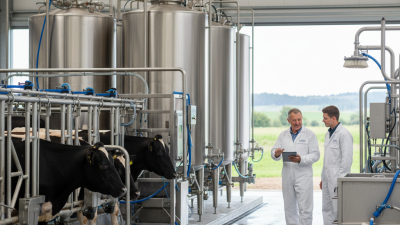
The dairy machinery industry is undergoing a significant transformation. Advanced technologies are reshaping production efficiency and sustainability. According to a report from the International Dairy Federation, the global dairy machinery market is projected to reach $20 billion by 2025, reflecting a growing demand for innovative solutions.
Renowned dairy machinery expert Dr. Emma Huang notes, "Implementing smart farming technologies is vital for the future of dairy production." Innovations like automated milking systems and IoT-enabled sensors are making operations more efficient. These advancements reduce labor costs and enhance product quality. However, the rapid pace of change also poses challenges. Many farmers struggle to adapt to new technologies.
Despite significant advancements, the industry must address several hurdles. Increased investment in training and support is crucial for farmers. The gap between large-scale operations and small farms continues to widen, raising concerns about equity in the dairy sector. Ensuring that all segments can benefit from innovations in dairy machinery is essential for a sustainable future.
Recent Advances in Dairy Machinery Technology
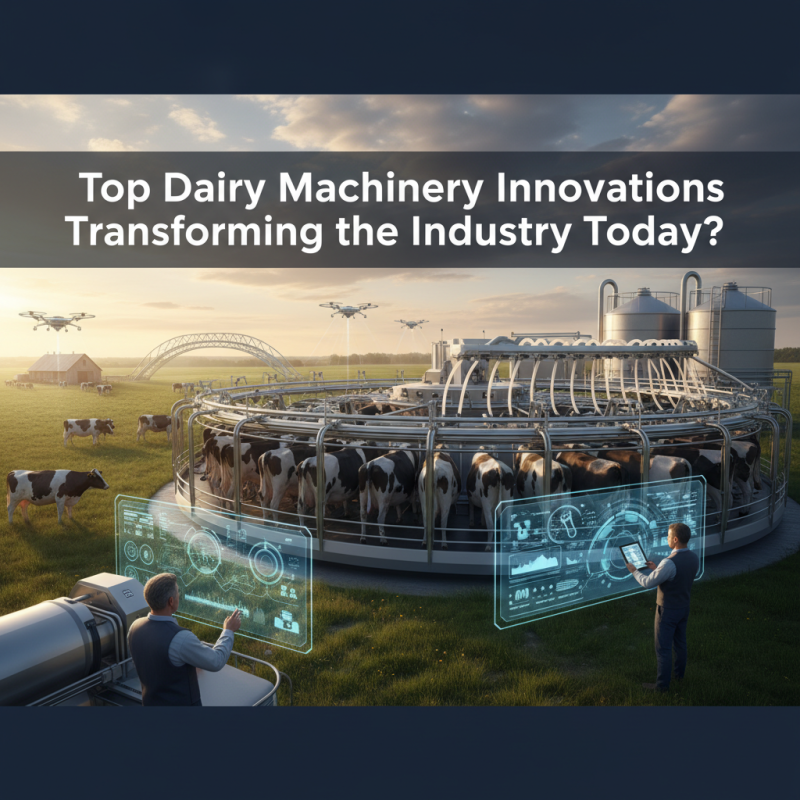
Recent advances in dairy machinery technology are reshaping the industry.
Automation and IoT have become essential components.
They enhance efficiency and reduce labor costs significantly. For instance, smart milking systems can monitor herd health in real-time.
Innovative sensors now track milk quality and production levels.
Data analytics provide actionable insights. Such advancements help farmers make informed decisions.
However, many producers hesitate to adopt new technologies due to the learning curve involved.
Tips:
Start small. Introduce one piece of equipment at a time.
Train your staff thoroughly before expanding. This approach minimizes disruption.
Investing in energy-efficient machinery also pays off.
It cuts costs and supports sustainability.
Additionally, farmers must remain adaptable. Technology evolves rapidly,
and staying updated is crucial for long-term success.
Automation Trends in Dairy Processing Equipment
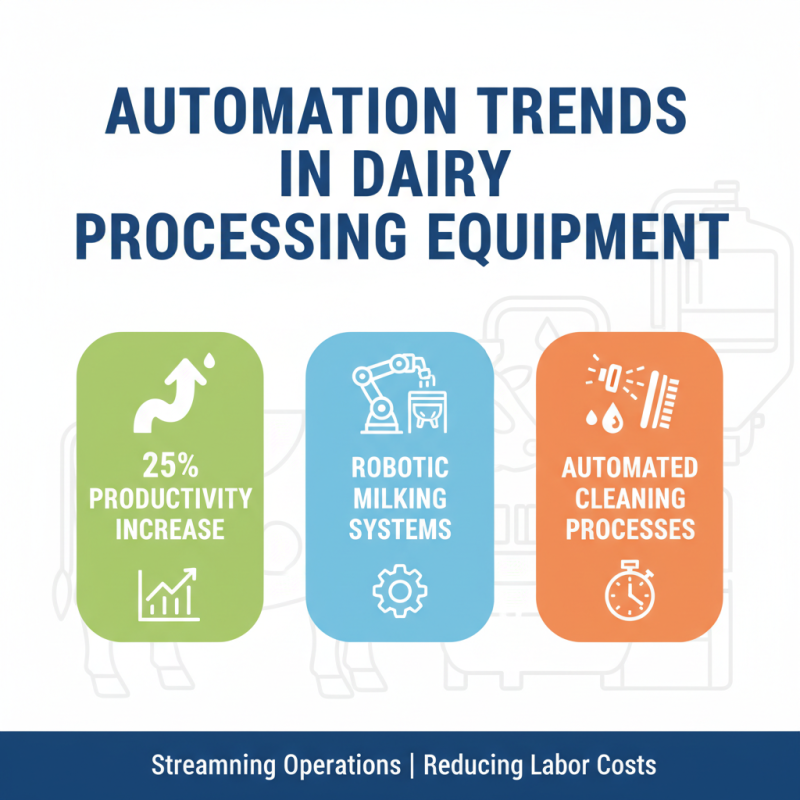
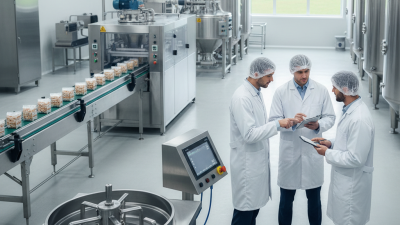
The dairy industry is undergoing significant transformations due to automation trends in processing equipment. Reports indicate a 25% increase in productivity with the adoption of advanced technologies such as robotic milking systems and automated cleaning processes. These innovations are streamlining operations and reducing labor costs, which is crucial in a labor-intensive sector.
Automation not only enhances efficiency but also improves product quality. For example, temperature-controlled processing helps maintain the freshness of dairy products, which is vital for consumer trust. A 2021 industry survey revealed that 72% of dairy producers believe automation will improve their product consistency and safety. Yet, the implementation of these technologies requires careful planning and investment.
Tips for dairy processors include assessing current operations and identifying areas that could benefit from automation. Evaluate systems that impact product quality directly. Small-scale farms may consider collaborating on technology investments to spread costs and risks. Additionally, stay updated on emerging technologies to avoid falling behind in this rapidly evolving market. Regular training for staff is essential too, as new systems require a skilled workforce. Balancing innovation and human touch remains a challenge, demanding ongoing reflection and adaptation.
Sustainable Practices in Dairy Machinery Innovations
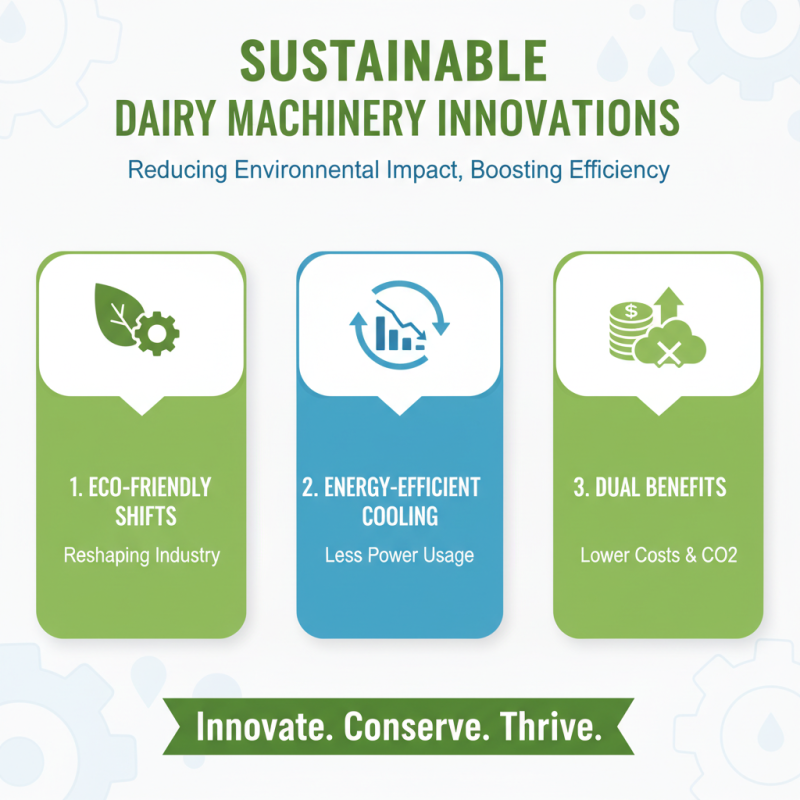
Sustainable practices are reshaping the dairy machinery industry. Innovations focus on reducing environmental impact while enhancing efficiency. For instance, energy-efficient cooling systems are now commonplace. These systems use less power, cutting down on overall energy consumption. This approach benefits both the environment and operating costs.
Water usage is another critical area. New machines are designed to recycle and reuse water during production. This reduces waste significantly. Furthermore, these technologies often come with built-in monitoring systems. They help farmers track usage and identify potential savings.
However, mastering these innovations is not without challenges. Initial investment costs can be high. Some dairy farmers may hesitate to adopt new technologies. Training staff on these systems also requires time and commitment. Balancing immediate needs with long-term sustainability goals can be difficult, but it is necessary. Implementing these practices can ultimately lead to a more resilient dairy industry.
The Role of IoT in Modern Dairy Operations
The integration of IoT in dairy operations is reshaping the industry significantly. According to a recent report by MarketsandMarkets, the global IoT in agriculture market is expected to reach $20 billion by 2025. This growth reflects the urgency for modern dairy farms to embrace technology. IoT devices like sensors monitor milk quality, cow health, and environmental conditions in real time. This data helps farmers make informed decisions that enhance productivity.
However, while the benefits are clear, the adoption of IoT poses challenges. Many farms struggle with the initial investment in IoT technology and require training for staff. This transition can be slow and complex. A survey conducted by the Rabobank noted that only 20% of dairy farmers fully utilize IoT solutions. Lost potential lies in the disconnect between existing practices and technological advancements.
Additionally, not all IoT solutions are foolproof. False readings from sensors can lead to incorrect conclusions. A study highlighted that poor data integrity can cost farms significantly. The challenge remains to balance technology with traditional farming practices to ensure a smoother transition. Balancing innovation with practicality is key for future success in dairy operations.
Top Dairy Machinery Innovations Transforming the Industry Today
This chart illustrates the impact of various dairy machinery innovations on efficiency and production levels in modern dairy operations. The innovations include IoT-enabled machinery, automation, advanced milking systems, and data analytics tools.
Emerging Technologies and Their Impact on Dairy Efficiency
The dairy industry is undergoing a significant transformation driven by emerging technologies. One notable innovation is the use of artificial intelligence for monitoring cow behavior. Sensors collect data on health and milk yield, improving overall animal welfare. This data can help farmers react quickly to changes in behavior, ensuring cows are healthy and productive.
Automated milking systems are also changing dairy operations. They efficiently reduce labor costs while allowing for optimal milking schedules. However, this shift raises questions about the future role of farm workers. Many fear job losses, while others see opportunities for upskilling in tech-related areas.
Another important advancement is the implementation of IoT devices. These devices enable real-time tracking of equipment and milk quality. Farmers can now pinpoint issues promptly, leading to better production practices. Still, reliance on technology can make farms vulnerable to cyber threats. Balancing tech integration while maintaining safety is crucial.
Top Dairy Machinery Innovations Transforming the Industry Today - Emerging Technologies and Their Impact on Dairy Efficiency
| Innovation |
Description |
Impact on Efficiency |
Implementation Year |
| Automated Milking Systems |
Robotic milking units that optimize milking time and improve animal health. |
Increases milk yield and reduces labor costs. |
2015 |
| IoT Sensors |
Internet of Things sensors for monitoring cow health and milk quality in real-time. |
Enhances herd management and reduces veterinary costs. |
2018 |
| Milk Cooling Technologies |
Advanced cooling systems to keep milk at optimal temperatures during storage. |
Improves shelf life and reduces spoilage. |
2020 |
| Smart Feeding Systems |
Automated systems that optimize feed for maximum growth and milk production. |
Increases feed efficiency and reduces waste. |
2019 |
| Data Analytics Platforms |
Software solutions for analyzing production data for better decision-making. |
Improves operational efficiency and profitability. |
2021 |