How to Use a CNC Lathe Machine Effectively?
The Cnc Lathe Machine is a cornerstone in modern manufacturing. According to a recent report by MarketsandMarkets, the global CNC machine market is expected to reach $117 billion by 2026. This growth reflects the increasing reliance on precision machining. Yet, many users still struggle with maximizing the capabilities of their CNC lathe machines.
Effectively using a CNC lathe machine requires understanding its features, settings, and programming. Proper training and experience play vital roles. For instance, a well-optimized tool path can reduce production time by up to 30%. However, many operators overlook this aspect, leading to inefficiencies. Mistakes can happen, and it's essential to periodically review programming techniques for continuous improvement.
Additionally, maintenance is crucial in ensuring optimal performance. A poorly maintained CNC lathe machine can result in significant downtime. Industry professionals suggest regular inspections and recalibrations. Despite these recommendations, many shops neglect this, leading to a false sense of reliability. Prioritizing effective usage will not only enhance productivity but contribute to overall manufacturing success.
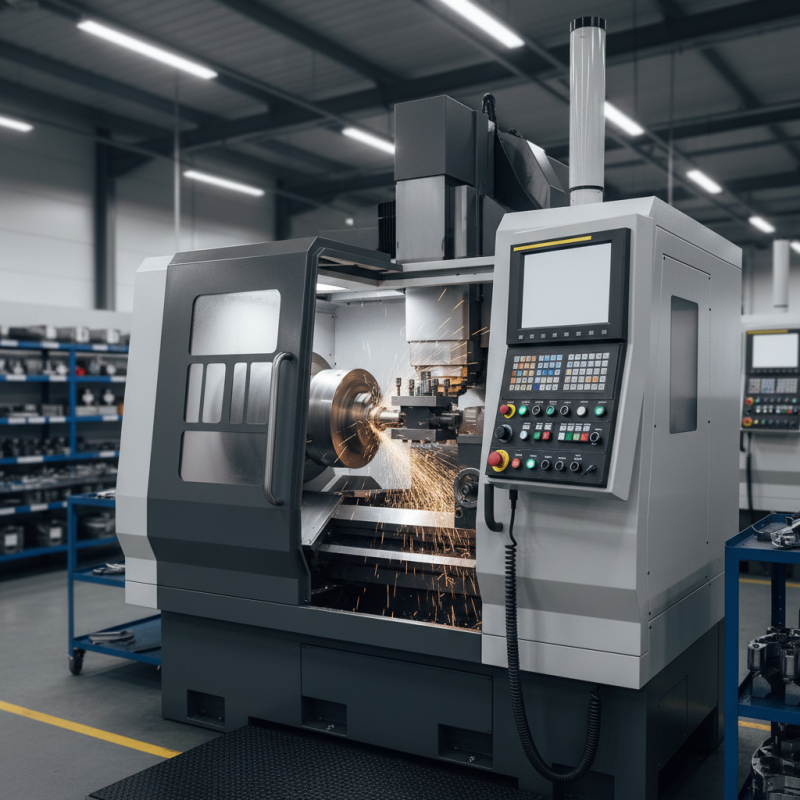
Understanding CNC Lathe Machines and Their Functions
CNC lathe machines play a crucial role in modern manufacturing. They automate the process of shaping materials like metal and plastic. According to a 2021 industry report, CNC lathe machining accounts for over 15% of the global machining market. This figure highlights their significance in production.
Understanding the functions of CNC lathe machines can enhance productivity. These machines remove material from workpieces to create precise shapes. They use rotating tools, allowing for efficient machining of complex designs. However, operators must be cautious. Improper tool settings may lead to material wastage. Data suggests that up to 20% of machining time can be lost due to setup errors.
Effective utilization requires knowledge and practice. While CNC machines can produce high-quality work, not all operators are trained adequately. A study indicated that 30% of operators might not fully understand their machine's capabilities. Continuous education and practice are vital. Engaging with the machine often leads to better results and fewer mistakes. Operators should reflect on past experiences, learning from errors to improve future projects.
Essential Tools and Equipment for CNC Lathe Operation
When operating a CNC lathe, having the right tools and equipment is crucial. Essential tools include cutting tools, tool holders, and work holding fixtures. Cutting tools come in various shapes and materials. They are often fitted into holders that secure them during machining. Improperly maintained tools can lead to inaccuracies and defects in your workpiece. Dull tools can ruin an otherwise flawless project.
Additionally, a solid understanding of tool setup is necessary. A well-aligned tool ensures that the lathe operates efficiently. Measuring instruments such as calipers and micrometers are vital for this purpose. They help you check dimensions and tolerances accurately. Creating a checklist for tool inspections might lower the risk of errors.
Work holding fixtures are also essential for securing the material in place. The right fixture helps prevent vibrations and movement during machining. With improper setup, the workpiece may be damaged. Over time, this can lead to costly mistakes. Reflecting on the setup process often reveals areas for improvement. Regular evaluation of your tools and methods is beneficial for growth.
Step-by-Step Guide to Setting Up a CNC Lathe Machine
Setting up a CNC lathe machine takes careful attention. Begin by ensuring the machine is clean and free of debris. This helps in achieving precise results. Next, check the level of the machine. A stable setup is crucial for accuracy in machining processes. Even a slight tilt can lead to errors in your work.
After leveling, it's important to install the tool holder correctly. Ensure that it is firmly attached and aligned. A loose holder can affect the quality of your cuts. Load the material securely into the chuck. This requires adjusting the chuck properly to avoid slipping during operation. An improperly secured piece can lead to damage or safety risks.
Finally, familiarize yourself with the CNC software. This might take some time. Complex commands can be daunting. Make sure to run a few simulations before actual cutting. Mistakes can happen, and learning from them is part of the process. Adjust your settings based on initial results, and don't hesitate to recalibrate if you notice discrepancies in the workpiece.
Techniques for Programming a CNC Lathe for Efficiency
Programming a CNC lathe efficiently requires precision and planning. Start by understanding the machine’s capabilities. Each tool has specific parameters. Know the speeds and feeds for different materials. This knowledge helps avoid errors that waste time and resources.
Tips: Always input values carefully. Small mistakes can lead to big problems. Review your settings multiple times. Never skip this step, even if you're in a hurry.
Consider using software simulations. They can reveal potential issues before actual machining. Visualizing the final product helps fine-tune your programming. Additionally, implement nesting techniques to optimize material usage. This reduces waste and lowers costs.
Tips: Monitor your cycle time. If it’s longer than expected, evaluate your code. Look for unnecessary movements. Streamlining this process is essential for better productivity. Every tweak matters in achieving efficiency.
Safety Precautions When Operating a CNC Lathe Machine
Operating a CNC lathe machine requires strict adherence to safety precautions. According to the National Institute for Occupational Safety and Health (NIOSH), approximately 27,000 lathe-related injuries occur annually in the U.S. alone. Proper training is essential to mitigate these risks. Ensure protective gear, including goggles and gloves, is worn at all times. Loose clothing should be avoided as it can get caught in the machine.
Tips: Always conduct a pre-operation check. Inspect the machine for any malfunctions. A malfunctioning tool can lead to accidents.
Training and experience help, but even the most seasoned operators can make errors. Remind employees to remain focused, especially during lengthy tasks. Fatigue can lead to oversights.
Tips: Establish regular breaks to minimize fatigue. A refreshed operator is a safer operator.
Remember the importance of proper tool handling. Incorrectly mounted tools can cause safety hazards and flawed work. Every cut should be performed with precision and care, focusing on the task to ensure both quality and safety.