10 Essential Tips for Choosing the Right Dairy Machinery for Your Farm
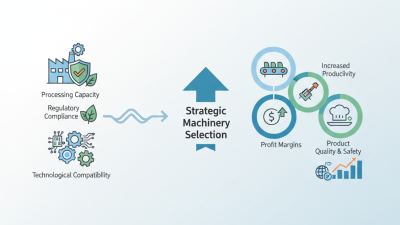
Choosing the right dairy machinery for your farm is a critical decision that can significantly impact productivity and efficiency. With the ever-evolving landscape of agricultural technology, farmers face the challenge of selecting equipment that not only meets their operational needs but also enhances the overall performance of their dairy operations. The right dairy machinery should be tailored to your specific requirements, ensuring optimal milking processes, effective feeding systems, and proper animal welfare, ultimately leading to increased profitability.
In this guide, we present ten essential tips to aid farmers in navigating the complexities of selecting the most suitable dairy machinery for their operations. From evaluating the scale of your dairy farm to considering the long-term benefits of investing in advanced technology, understanding these key factors will empower you to make more informed decisions. By focusing on critical aspects like machinery efficiency, ease of maintenance, and compatibility with existing systems, you can position your dairy farm for success in a competitive market.
Understanding Your Farm's Dairy Production Needs
Choosing the right dairy machinery is crucial to optimizing production and ensuring the sustainability of your farm. A thorough understanding of your farm's dairy production needs is the first step in making informed machinery decisions. According to the USDA National Agricultural Statistics Service, the average size of a dairy farm in the U.S. has increased significantly, emphasizing the need for equipment that can handle larger operations efficiently. Dairy farmers must assess their specific production requirements, such as the volume of milk processed and the scale of daily operations.
When evaluating dairy machinery, consider your farm's current and future production goals. Are you looking to expand or diversify your operations? Understanding projected production levels can guide you in selecting machinery that not only meets today's needs but also anticipates future growth. Additionally, it’s essential to assess the capabilities of various machines, especially in terms of automation, which can reduce labor costs and increase productivity.
Tip: Always conduct a cost-benefit analysis when considering new machinery. Evaluate initial investments against long-term savings and increased productivity.
Another consideration is energy efficiency, which plays a crucial role in operational costs and environmental impact. Upgrading to energy-efficient machines can lead to significant savings, as reported by the Dairy Research Institute, which suggests that energy-efficient equipment can reduce energy costs by up to 30%.
Tip: Look for machinery that offers scalable solutions, allowing for easy upgrades as your production needs evolve. This forward-thinking approach can help prevent costly replacements down the line.
Evaluating the Different Types of Dairy Machinery Available
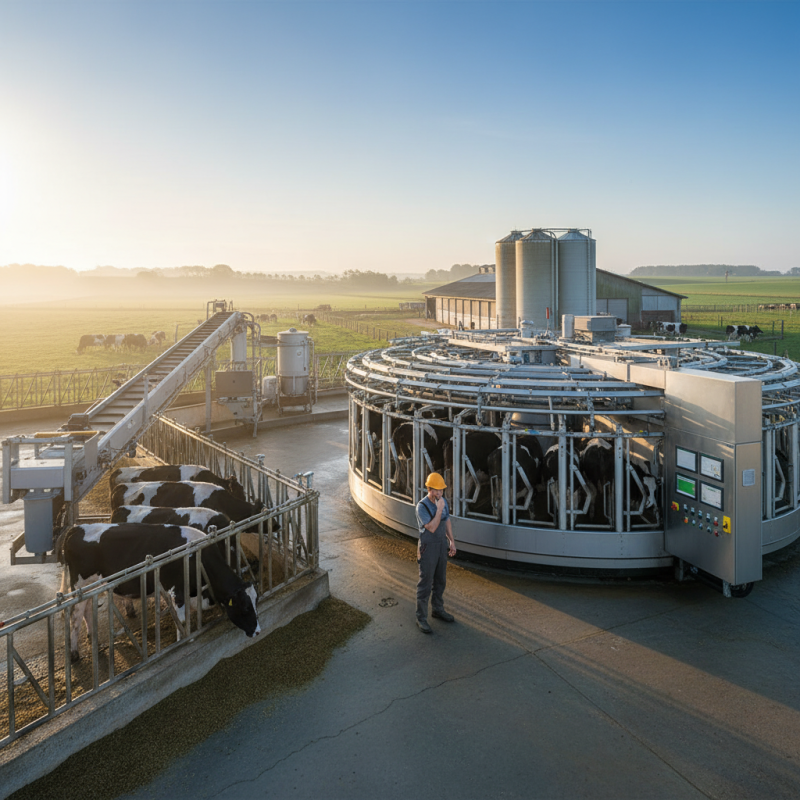
When it comes to dairy farming, selecting the right machinery is crucial for optimizing productivity and ensuring the well-being of your livestock. There are various types of dairy machinery available, each serving specific functions. Understanding the differences can help you make an informed decision. For instance, milking machines range from traditional manual setups to advanced automated systems that can significantly reduce labor and time spent on milking. Analyzing the volume of milk your herd produces daily is essential in determining which type of milking machine will best meet your needs.
In addition to milking machines, consider equipment for feed preparation and storage. Feed mixers, silos, and dispensers all play a pivotal role in maintaining a balanced diet for your cattle. A reliable feed management system can optimize feed utilization and improve milk quality. It's also wise to look into sanitation equipment; maintaining hygiene is paramount in dairy farming. Automatic washing systems for equipment can save considerable time and ensure that your machinery operates at peak efficiency.
One important tip is to assess your farm’s layout and the practical aspects of machinery operation before making a purchase. Ensure that your new machinery can be easily integrated into your existing workflow without causing disruption. Additionally, consider the available support and service options from suppliers, as ongoing maintenance and repairs will be a key part of keeping your operation running smoothly.
Key Features to Look for in Dairy Equipment
When it comes to choosing the right dairy machinery for your farm, understanding the key features of dairy equipment is essential for maximizing efficiency and productivity.
Firstly, consider the capacity and performance level required for your specific operation. Evaluating the volume of milk produced daily will guide you in selecting machines that can handle your workload without bottlenecks.
Look for equipment that offers user-friendly controls and automation features, as these can significantly reduce labor costs and enhance operational efficiency.
Another crucial aspect to consider is the durability and maintenance of the dairy machinery. Equipment made from high-quality materials can withstand the rigors of daily use, ensuring longevity and reliability.
Additionally, ease of maintenance plays a pivotal role; machinery should be designed for straightforward servicing to minimize downtime.
Pay attention to the energy efficiency of the equipment, as modern designs often incorporate technologies that reduce energy consumption while maintaining performance, leading to lower operational costs in the long run.
These features, when thoughtfully evaluated, will help you make an informed decision that aligns with your farming needs.
Assessing the Budget and Financial Considerations
When considering the purchase of dairy machinery for your farm, assessing your budget and financial implications is crucial. First, it's important to thoroughly evaluate your current financial situation. This involves calculating not just the initial costs of the machinery, but also ongoing expenses such as maintenance, energy consumption, and operational costs. A detailed financial analysis will help you understand how much you can realistically allocate toward new equipment without jeopardizing other areas of your farm's operations.
Additionally, exploring financing options can significantly ease the burden of upfront costs. Many farmers benefit from loans, grants, or leasing options that allow them to spread payments over time. It's wise to compare various financial products to find the most favorable terms, keeping in mind interest rates and repayment schedules.
Ultimately, prioritizing your budget and understanding the long-term financial commitment associated with dairy machinery investments will ensure that your purchase supports the growth and sustainability of your farm.
Maintenance and Support Services for Dairy Machinery
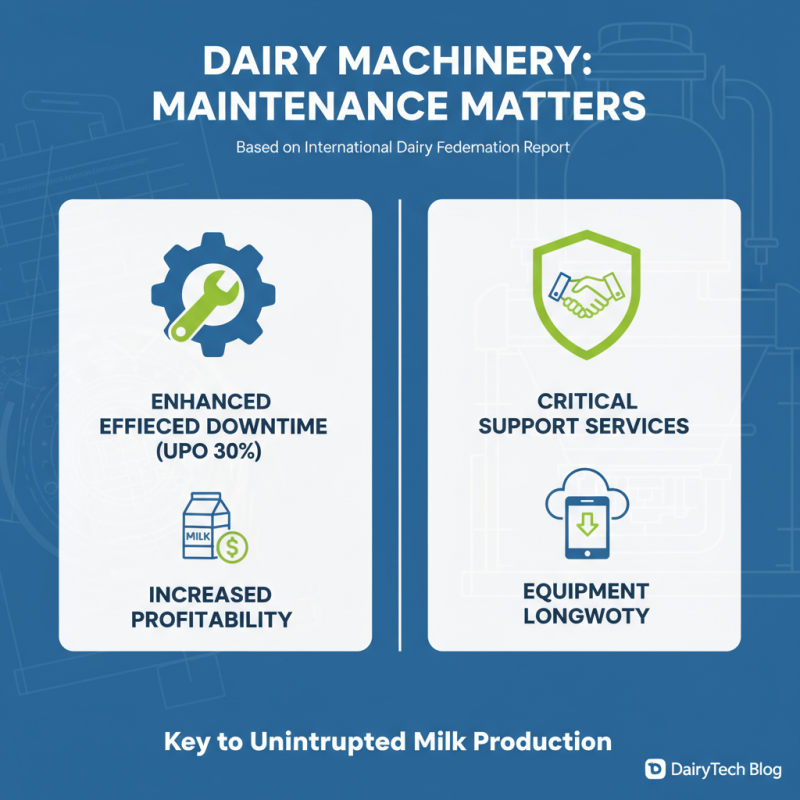
When investing in dairy machinery, maintenance and support services are critical factors that can significantly influence the operation and longevity of your equipment. According to a report by the International Dairy Federation, regular maintenance not only enhances the efficiency of machinery but also helps to reduce unplanned downtimes by up to 30%. For dairy farmers, minimizing operational interruptions is essential, as it directly impacts milk production and overall profitability.
Having a reliable maintenance support strategy in place can extend the lifespan of dairy machinery. A comprehensive maintenance plan should include routine checks, timely repairs, and access to qualified technicians who understand the intricacies of dairy equipment. Statistics indicate that proactive maintenance can lead to a reduction in equipment breakdowns by as much as 40%. This not only saves costs associated with emergency repairs but also ensures that your farming operations run smoothly.
Furthermore, the choice of support services can influence the responsiveness and effectiveness of maintenance. A survey conducted by the Dairy Industry Association highlighted that farms with dedicated support contracts reported better service levels and faster response times when issues arose. Investing in a service agreement can provide peace of mind, allowing farmers to focus on optimizing their operations, knowing that expert help is readily available.