What is Fermentation with Floating Lid Benefits and Applications?
Fermentation is an ancient process crucial for food preservation and production. Among various techniques, Fermentation with floating lid stands out for its innovative approach. This method utilizes a unique design that enhances the fermentation environment, allowing for better control over temperature and oxygen levels. This results in improved flavors and textures in fermented products.
Brewing and winemaking are primary applications where this technique excels. The floating lid minimizes air exposure, reducing oxidation risks. This can lead to a purer and more vibrant final product. While promising, challenges remain in achieving the perfect balance in the fermentation process. Variability in fermentation times and results can occur, prompting further exploration and adjustment by producers.
Safe practices and equipment selection are paramount. Producers must ensure their setups meet health standards. As the industry evolves, understanding fermentation with floating lid will empower artisans to elevate their craftsmanship. This method offers both potential and challenges, urging constant reflection and adaptation in pursuit of excellence.
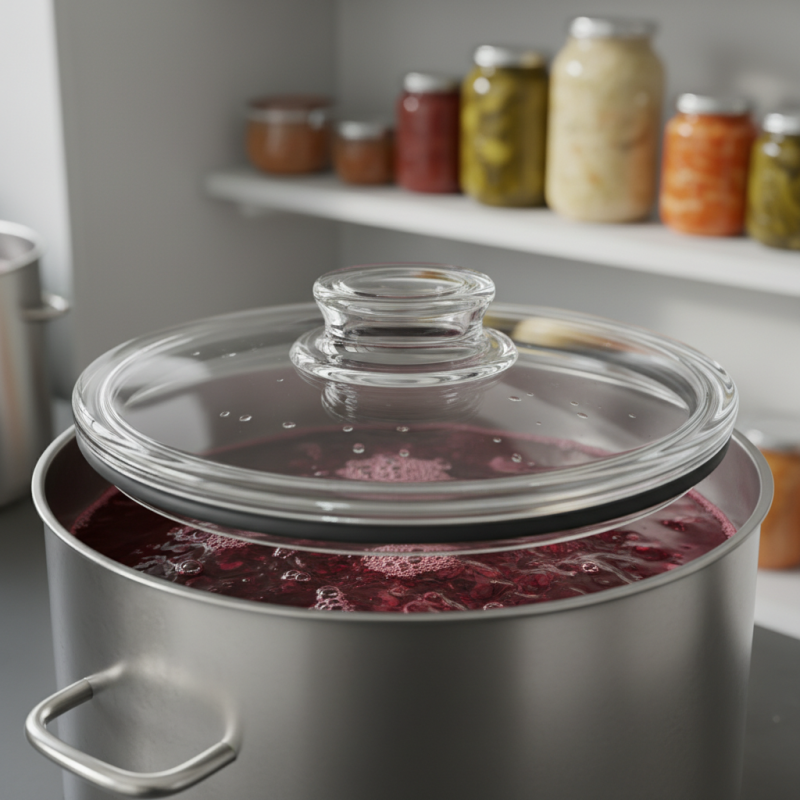
Understanding Fermentation: An Overview of the Process
Fermentation is a biochemical process that transforms raw materials into valuable products. This process relies on microorganisms, such as yeast and bacteria, to convert sugars into alcohol, acids, and gases. Research shows that the global fermentation industry is projected to reach over $700 billion by 2029. This growth highlights the increasing interest in fermentation applications across various sectors.
The floating lid technique in fermentation offers unique benefits. It helps maintain optimal anaerobic conditions by preventing oxygen from affecting the fermentation process. Studies indicate that anaerobic fermentation can increase product yields by up to 30%. Furthermore, this technique reduces the risks of contamination, ensuring a higher quality of the final product. Some experts argue that while floating lids can enhance efficiency, they may also require careful monitoring to avoid potential issues like pressure buildup.
In addition to traditional uses, fermentation is finding new applications in biofuels and food preservation. For instance, the rise of plant-based diets has led to an increased demand for fermented plant products. However, not all fermentation processes are flawless. Issues like inconsistent results or spoilage can occur. Understanding these nuances can help improve outcomes and expand the uses of fermentation in modern industry.
The Role of Floating Lids in Fermentation Systems
Floating lids in fermentation systems play a crucial role in optimizing the fermentation process. These lids form a barrier, reducing the risk of contamination and minimizing evaporation. According to recent data from fermentation technology reports, using floating lids can enhance gas retention by up to 30%. This gas retention is crucial for anaerobic fermentation, leading to higher yields and improved product quality.
Consider the case of brewing or winemaking, where maintaining specific atmospheric conditions is essential. A floating lid can adjust to fluctuations, maintaining pressure and limiting oxygen exposure. This can lead to greater consistency in flavor profiles. However, implementing floating lids requires a careful assessment of fermentation demands. Not all systems may benefit equally from this technology; thus, trial and error may become necessary.
Tips: Ensure your floating lid is well-fitted to prevent gas loss. Regularly inspect for leaks or wear. Don’t forget to test the impact of the lid on your specific process; outcomes can vary significantly. Balancing optimal conditions with practical constraints is key to successful fermentation.
Benefits of Using Floating Lids in Fermentation
Floating lids in fermentation bring numerous benefits. They offer an effective way to manage carbon dioxide release during the fermentation process. This specialized design helps maintain pressure while allowing gases to escape. Moreover, it minimizes the risk of contamination from outside sources. The reduced exposure to air limits unwanted microbial growth, improving overall product quality.
Using floating lids also enhances the efficiency of fermentation. They create a seal around the fermenting material, retaining flavor and aroma compounds. This design is particularly beneficial for delicate products, such as certain wines and craft beers, where preserving volatile compounds is crucial. However, users must be mindful of proper maintenance. A poorly secured lid can lead to inconsistent results.
Simplicity is another key advantage. Floating lids are easy to use and set up. Many fermentation setups require little modification. Yet, they sometimes require adjustments for optimal performance. A thorough understanding of the fermentation environment can prevent issues. Experimentation allows for better adaptation of this technique. Keeping these factors in mind will help you harness the full potential of floating lids in fermentation.
Benefits of Using Floating Lids in Fermentation
This chart illustrates the various benefits of using floating lids in fermentation. The data represents the perceived advantages in the fermentation process, including oxygen control, reduced evaporation, minimized contamination, improved flavor, and cost efficiency, measured in relative percentages.
Applications of Fermentation with Floating Lids in Various Industries
Fermentation with floating lids is gaining attention in food and beverage industries. This method provides an anaerobic environment that promotes desirable microbial activity. It is especially valuable in brewing and winemaking. The floating lid prevents oxygen exposure, reducing spoilage in these delicate products.
Another application is in the production of fermented foods like kimchi and sauerkraut. By keeping vegetables submerged, the floating lid ensures even fermentation and enhances flavors. This method can also limit the growth of unwanted bacteria. Businesses focusing on health-conscious consumers are likely to benefit from this efficient technique.
Tips: When using floating lids, monitor the fermentation closely. Each batch may require different conditions. Keep the lid clean to avoid contamination. Make adjustments as needed, based on observed fermentation rates. Over time, methods may need refinement for better results. Each fermentation experience can teach something valuable about process control and flavor development.
Challenges and Considerations in Floating Lid Fermentation Techniques
Floating lid fermentation offers innovative benefits, but it is not without challenges. One common issue is maintaining a stable environment. Temperature fluctuations can impact fermentation efficiency. A floating lid reduces exposure to air but doesn’t eliminate the need for monitoring. Users often find that they must adjust conditions frequently. This can be tedious and time-consuming.
Additionally, cleanliness is vital in this fermentation method. Any contamination can spoil a batch, resulting in waste. The design of floating lids can make thorough cleaning difficult. Some fermenters might overlook this aspect, leading to poor outcomes. The equipment must be easy to disassemble for proper sanitation.
Another consideration is the choice of materials. The floating lid must be durable and resistant to the substances being fermented. If the lid degrades, it may compromise the fermentation process. Many users face challenges finding suitable materials that meet these needs. Reflecting on these aspects can lead to improved practices and better results in fermentation processes.