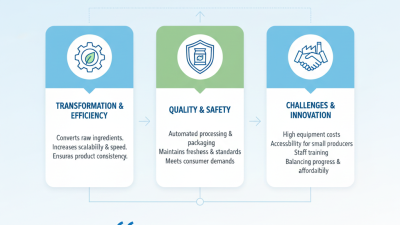
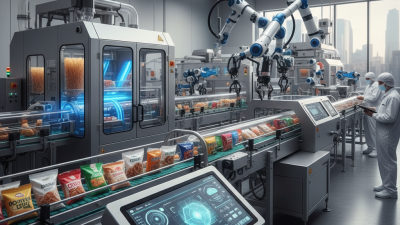
The food industry machinery plays a vital role in food production and processing. These machines are designed to handle various tasks, ensuring efficiency and consistency. They encompass a wide range of equipment, from mixers and grinders to conveyor belts. Each piece of machinery contributes to the overall workflow, affecting the quality of the final product.
Many companies rely on advanced technology to improve productivity. However, there are challenges, such as maintenance and operational efficiency. Understanding how food industry machinery works is essential for anyone in the sector. Gaining insight into its functioning can lead to better practices.
The movement towards automation also raises questions. Is it always the best solution? While it enhances speed, it can lead to increased reliance on machines. Striking a balance between human oversight and machine efficiency is crucial for optimal operations in the food industry.
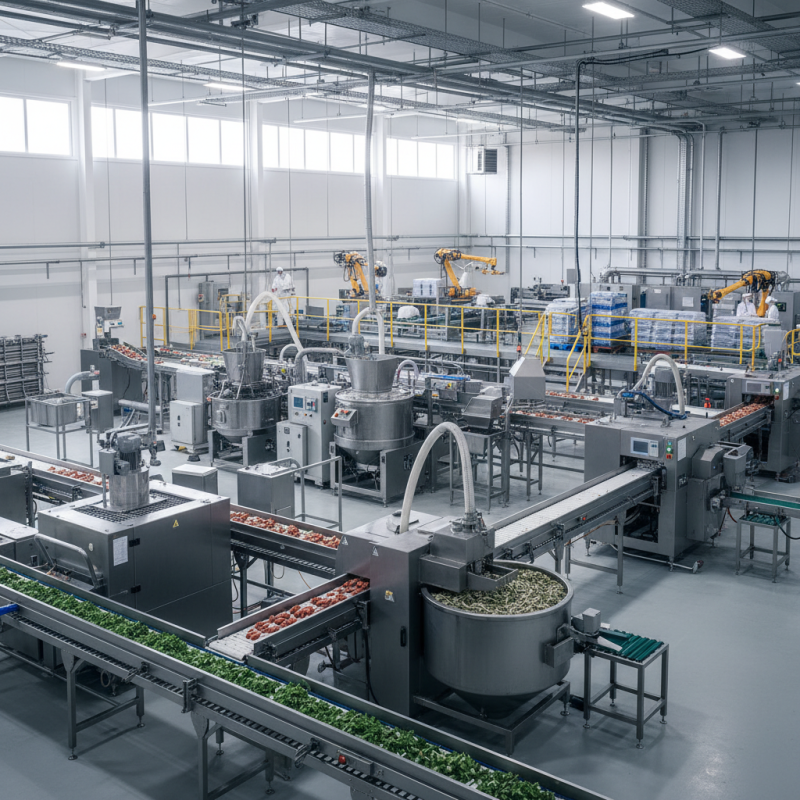
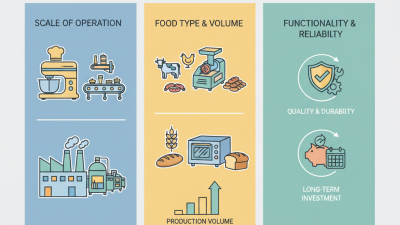
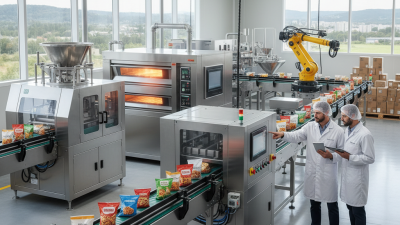
Food industry machinery refers to the specialized equipment used in the processing, packaging, and preservation of food products. This equipment plays a crucial role in maintaining food quality and safety. Various machines, such as mixers, ovens, and conveyors, are designed to meet the unique needs of food production. By automating repetitive tasks, these machines enhance efficiency and reduce human error.
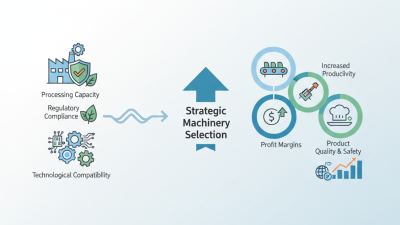
In many production facilities, machinery designs are influenced by the types of food processed. For example, a bakery may use dough mixers and ovens, while a dairy plant may utilize pasteurizers and homogenizers. Furthermore, the machinery must comply with strict food safety regulations to ensure reliable operation and hygiene. As advances in technology occur, machines are becoming more sophisticated, often incorporating sensors for real-time monitoring.
However, the reliance on such machinery raises concerns. Maintenance issues can arise if proper care is not taken. Even small malfunctions can lead to significant production delays or food safety breaches. Consequently, ongoing training for operators is essential. The balance between efficiency and diligence is vital as the food industry continues to evolve with new technologies.
| Machine Type | Purpose | Operation Type | Key Features | Typical Applications |
|---|---|---|---|---|
| Mixers | Mixing ingredients | Batch Operation | Variable speed, large capacity | Bakery, dairy products |
| Conveyors | Transporting products | Continuous Operation | Adjustable speeds, modular design | Food processing plants, packaging |
| Packers | Packaging products | Automatic Operation | High speed, precise sealing | Beverages, ready meals |
| Ovens | Cooking and baking | Batch or Continuous | Temperature control, multiple racks | Bakeries, snacks |
| Filters | Separating unwanted materials | Continuous Operation | Effective filtration, easy maintenance | Liquid food processing |
Food industry machinery plays a critical role in the production and processing of food. Various types of machinery are designed to handle specific tasks. Mixers, for example, blend ingredients uniformly, ensuring consistency. These machines come in different sizes, suitable for small or large operations.
Another important category is packaging machinery. These machines package food products quickly and efficiently. They help preserve freshness and extend shelf life. With automation, the speed and accuracy of packaging have increased significantly. However, dependence on such technology can sometimes lead to challenges in maintenance and troubleshooting.
Processing machinery is essential for cooking or preserving food. Equipment such as ovens and pasteurizers ensure safety and quality. They must be monitored regularly. Occasionally, they malfunction, causing delays in production. Understanding the nuances of these machines is critical for any food operation. Each piece plays a specific role, and inefficiencies can lead to larger issues down the line.
The food industry employs various technologies to enhance processing efficiency. One key area is automation. Automated systems, including conveyors and robotic arms, improve production speed. According to a report by Mordor Intelligence, the food automation market is projected to grow by 6% annually through 2026. This growth indicates a shifting reliance on machines to streamline operations.
Another important technology is precision engineering. Advanced machinery, such as high-capacity blenders and slicers, ensures consistent quality. Precision impacts flavors, textures, and overall consumer satisfaction. The International Journal of Food Engineering highlights that achieving uniform cuts can reduce waste by up to 15%, showcasing a tangible benefit of better machinery.
Despite these advancements, the industry faces challenges. High initial costs deter smaller businesses from upgrading their equipment. Additionally, ongoing maintenance presents logistical hurdles. A 2020 study from Food Processing Research shows that nearly 30% of food manufacturers struggle with regular upkeep. This reveals a need for more support in equipment management. Adopting new technologies should be balanced with practical strategies for sustainability.
The food industry relies heavily on machinery to boost production efficiency. Automated systems take over repetitive tasks, reducing the need for manual labor. Reports indicate that automation can enhance productivity by up to 30%. This automation minimizes human error, leading to more consistent product quality. According to the Food Processing Industry report, the implementation of advanced machinery can decrease production time significantly.
Energy efficiency is another crucial aspect. Modern food machinery is designed to consume less energy while maintaining high output. This not only reduces operational costs but also lessens the environmental impact. A recent study revealed that energy-efficient machines can cut energy usage by approximately 15-20%. However, the initial investment can be high, creating barriers for smaller companies.
Data from industry analysts show that integrating smart technology into machinery allows real-time monitoring of production. This innovation ensures that potential issues are addressed promptly. Yet, not all companies fully utilize these features, leaving room for improvement. Continuous training and adaptation are essential for maximizing machinery capabilities. This ongoing process reflects a commitment to enhancing production standards in a competitive market.
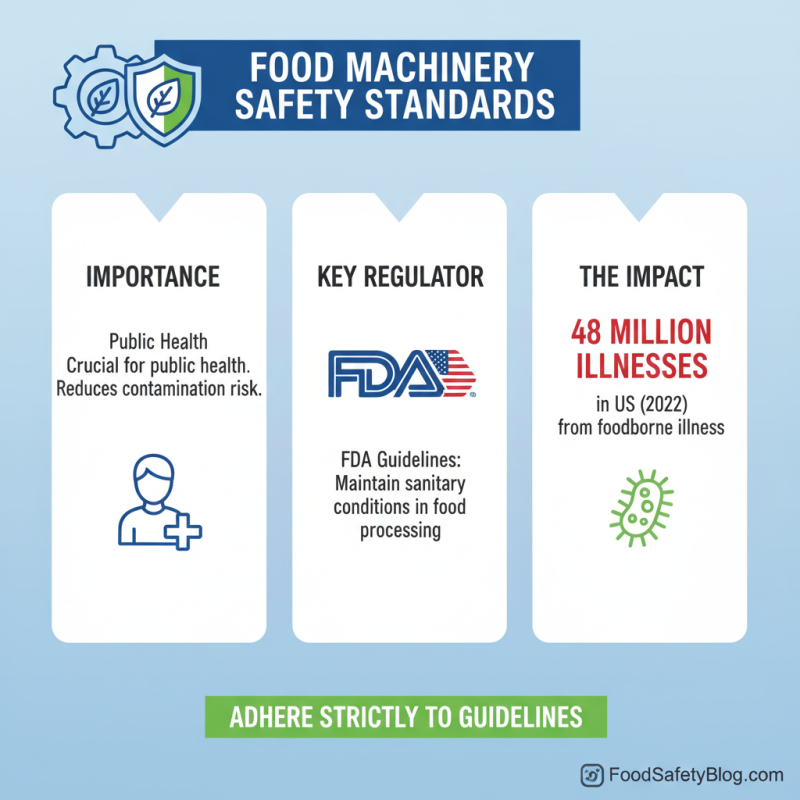
Safety standards and regulations in food machinery operations are crucial for public health. According to the Food and Drug Administration (FDA), maintaining sanitary conditions in food processing environments reduces the risk of contamination. In 2022, approximately 48 million people fell ill from foodborne illnesses in the U.S. alone. Thus, adherence to strict guidelines is essential.
Machinery operators must ensure that equipment meets specific safety criteria. For instance, the Occupational Safety and Health Administration (OSHA) mandates regular inspections. These inspections help to identify potential hazards and ensure that machines function properly. Regular training for machine operators can significantly mitigate risks.
Regulations evolve as technology advances. The recent focus on automation in the food industry raises questions. Are traditional safety measures adequate for automated systems? Continuous education and adaptation to new machinery are vital. The integration of advanced safety protocols in existing systems can be challenging but necessary. Targeted efforts can help ensure compliance and safety in food processing environments.
+44 (0)1373 831 373