What is Fruit Machinery and How Does it Benefit the Industry?

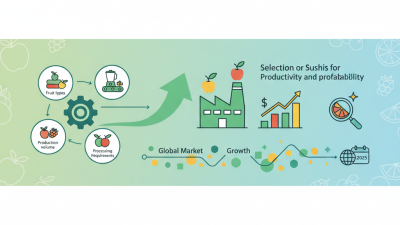
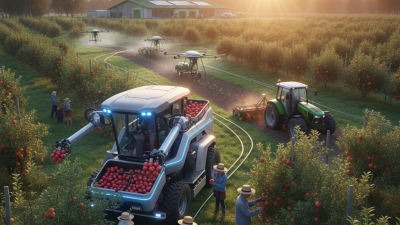
In today's agricultural landscape, fruit machinery plays a vital role in optimizing production processes. These machines are designed to streamline tasks like planting, harvesting, and processing fruit. Advances in technology have made these tools more efficient and user-friendly. As a result, farmers can leverage fruit machinery to enhance productivity.

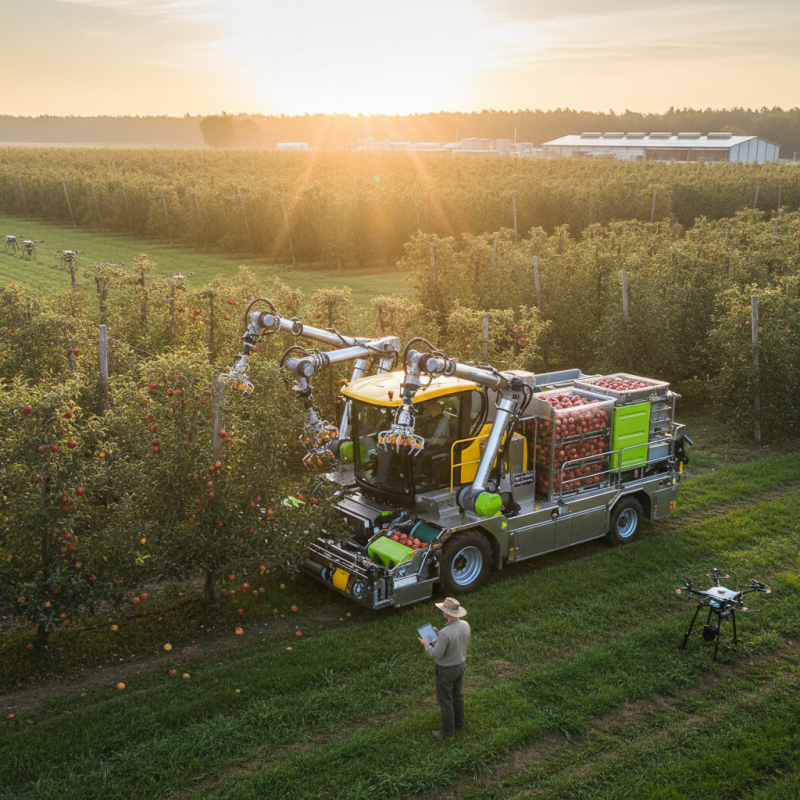
Integrating fruit machinery into operations reduces labor costs and boosts output. For example, automated harvesting systems allow for quicker and more precise gathering of fruit. However, the adoption of such machinery requires careful consideration. Some farmers may face initial challenges, including the cost of investment and the need for training. These factors can cause hesitation among traditional growers.

Despite potential hurdles, the benefits of fruit machinery are significant. It leads to higher quality produce and reduces waste. Furthermore, as the industry constantly evolves, embracing these innovations can be crucial for staying competitive. Overall, understanding fruit machinery's impact can guide industry stakeholders toward better practices in their operations.
What is Fruit Machinery and How Does it Benefit the Industry?

Understanding Fruit Machinery: Definition and Types

Fruit machinery refers to specialized equipment designed to improve the processing, harvesting, and packaging of fruits. These machines handle tasks such as sorting, washing, peeling, and slicing. By automating labor-intensive activities, fruit machinery helps to boost efficiency and reduce waste. It also enhances product quality by ensuring uniformity and hygiene in production.

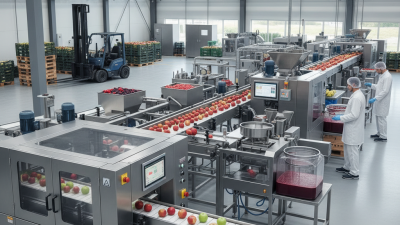
There are various types of fruit machinery, each serving a distinct purpose. Sorting machines use sensors to detect size, color, and defects, separating fruits accordingly. Washing units employ water jets and brushes to clean fruits thoroughly. Peeling machines remove skins with precision, minimizing damage to the fruit. Cutting and slicing equipment can process fruits into specific shapes or sizes, suitable for different markets or products. This diversity illustrates how the technology supports multiple stages of fruit handling.

Though fruit machinery benefits the industry greatly, some limitations still exist. Machines may struggle with highly delicate or irregularly shaped fruits. Maintenance and calibration require skilled operators, which can raise costs. Sometimes, over-reliance on machines might overlook the nuanced assessment a human expert provides. These points suggest ongoing innovation and careful integration of machinery are essential for the future.

What is Fruit Machinery and How Does it Benefit the Industry?

Type of Fruit Machinery Description Benefits
Fruit Processing Machinery Machines used to process and package fruits for retail. Increases efficiency and reduces labor costs.
Fruit Harvesting Equipment Tools and machinery designed for the harvesting of fruits. Helps minimize damage to fruits and speeds up the harvesting process.
Cold Storage Systems Refrigeration units to store fruits at controlled temperatures. Extends shelf life and maintains fruit quality during storage.
Packaging Machines Devices that package fruits for shipping and sale. Enhances product presentation and improves logistics.
Sorting Machines Machines that sort fruits based on size, weight, and quality. Ensures uniformity and quality of the final product.

Key Technologies in Fruit Machinery: Automation and Efficiency

Fruit machinery plays a crucial role in the agricultural sector, enhancing both production and efficiency. Automation has transformed how fruit is harvested, sorted, and packaged. For instance, the global market for fruit machinery is projected to reach $15 billion by 2025, driven largely by advancements in technology.

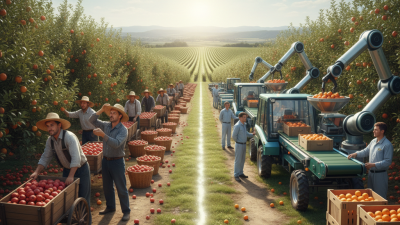
One key technology is automated harvesting systems. These systems reduce labor costs and increase harvesting speed. A recent report indicated that automated processes can improve productivity by up to 40%. However, some challenges exist. Not all fruit varieties are suited to automation. Ripe fruit can be delicate, risking damage during the harvesting process.

High-efficiency sorting machines also play a significant role. They utilize advanced imaging technology to assess fruit quality. This allows for rapid sorting, ensuring only the best products reach consumers. Industry data shows that efficient sorting can decrease product waste by 30%. Yet, reliance on technology raises concerns about job displacement for manual laborers. Balancing innovation with the need for human labor remains a pressing issue in the industry.

Economic Impact of Fruit Machinery on the Agricultural Industry

The agricultural industry is significantly influenced by fruit machinery. This technology plays a vital role in boosting productivity. According to a report by the Food and Agriculture Organization (FAO), the efficiency of fruit processing machinery has improved yields by 20% in recent years. This is notable, as increased yields translate directly to higher revenue for farmers.

Economic impacts extend beyond mere production. Implementing modern fruit machinery reduces labor costs, which can account for up to 30% of total production expenses. By utilizing automatic sorting and packing systems, farms can minimize waste and maximize quality. A study from the Agricultural Engineering Journal reported that farms adopting these technologies saw a 15% increase in product quality consistency. However, there are challenges to consider. Less-skilled workers may struggle to adapt, leading to potential job displacement.

Despite these challenges, the benefits of fruit machinery outweigh the drawbacks. In regions heavily reliant on fruit production, technology adoption has led to increased competitiveness in global markets. However, some smaller farmers may find it hard to invest in such machinery. Addressing this disparity is crucial for ensuring overall industry growth. With careful consideration, stakeholders can create strategies to support all farmers, ensuring they share in the economic gains from technological advancements.

Benefits of Fruit Machinery: Yield and Labor Efficiency Improvements

Fruit machinery plays a crucial role in modern agriculture. It enhances yield and labor efficiency, which are vital for the industry's growth. According to a recent report from the International Society for Horticultural Science, properly implemented fruit machinery can increase yield by up to 30%. This is significant when considering the global demand for fruit products.

Labor efficiency also benefits greatly from technological advancements. For instance, automated harvesters can reduce labor costs by 25% while maintaining quality standards. These machines minimize human error and speed up processes. A study by the Food and Agriculture Organization highlights that with the integration of machinery, farms can operate with fewer workers, saving time and resources.

Despite these advantages, there are challenges. Not every machine suits all types of fruit or terrain. Farmers must consider local conditions. Training is essential for operators to maximize the benefits of new technology. The initial investment in machinery may be daunting. Yet, the long-term returns through improved yield and efficiency can justify the costs.

Future Trends in Fruit Machinery: Innovations and Sustainability

What is Fruit Machinery and How Does it Benefit the Industry?

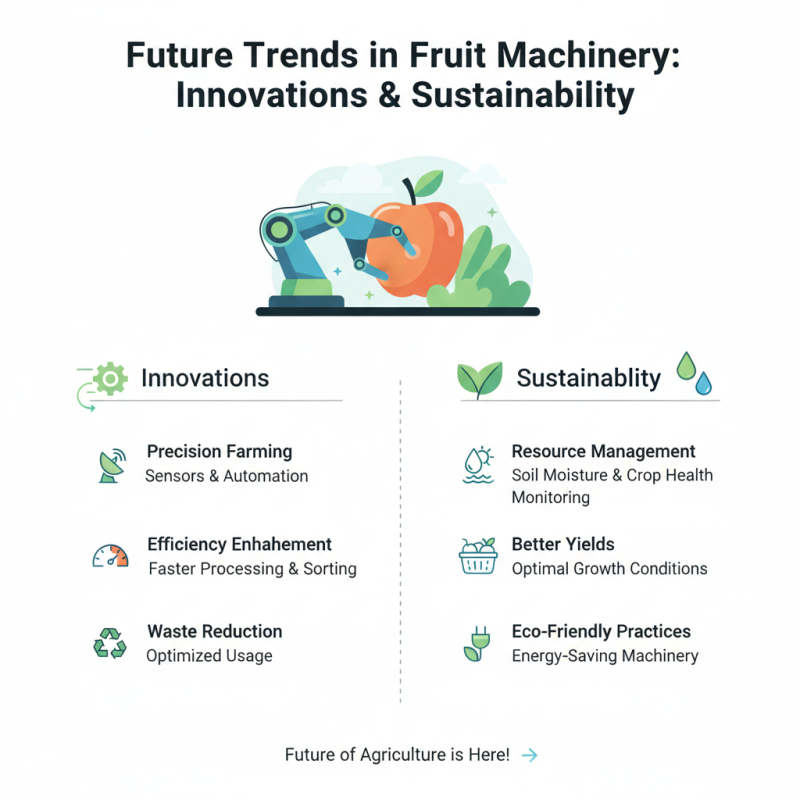
Innovations in fruit machinery are reshaping the agricultural landscape. New technologies enhance efficiency, reduce waste, and promote sustainability. Sensors and automation now allow for precision farming techniques. These innovations can help growers monitor soil moisture and crop health effectively. This leads to optimal resource management and better yields.

Sustainability is a critical focus for the future. Eco-friendly machinery reduces the carbon footprint of fruit production. Solar-powered equipment offers a cleaner alternative to traditional methods. However, some machines still rely on fossil fuels. This gap needs attention for true sustainability.

Moreover, integrating organic farming practices with advanced machinery presents challenges. Farmers must balance innovation with traditional methods. Education on these technologies is vital for adoption. The industry's future depends on a collective effort towards sustainable solutions. It is essential to navigate this path carefully.