How to Use Powdered Beets and Maximize Their Benefits
Powdered Beets Benefits can sound simple: mix a scoop into water, then expect more energy. Real nutrition is less tidy. Beet powder is made from dried beets, and its nitrate content can vary by product, serving, and processing. That matters because research on beetroot and exercise often focuses on nitrate, not every powder on the shelf. Professor Andrew Jones, a sports scientist whose research examines dietary nitrate, offers a useful principle: “The effects of beetroot products can vary from person to person.” Treat that as a cautious summary of the research, not a verified verbatim quotation.
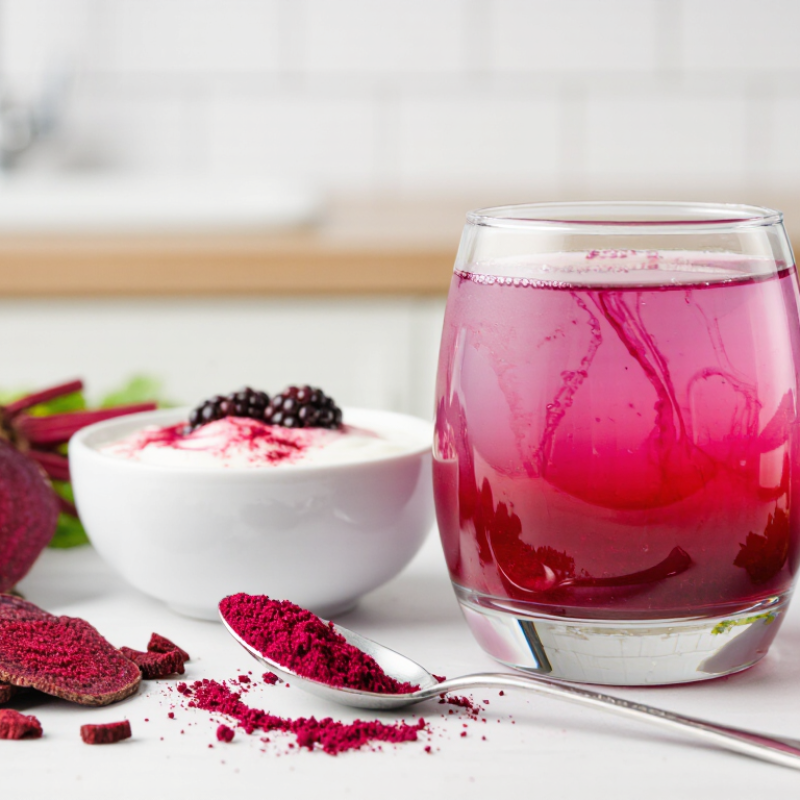
A practical routine starts with the label. Check the serving size, ingredients, and nitrate information, if provided. Stir the powder into cold water, blend it with berries, or add a small amount to yogurt. The color is vivid. The earthy taste can be, too. Start with the package directions rather than assuming more is better. If you exercise, test it on an ordinary training day, not before an important event. Notice your comfort and response. Keep expectations measured.
Powdered beets can add flavor and nutrients, but they are not a substitute for varied meals, sleep, or medical care. Evidence for performance benefits depends on the product and the person. Some labels do not disclose nitrate levels, which makes comparisons difficult. A little uncertainty remains. People with health conditions or medication questions should ask a qualified healthcare professional before making a regular supplement routine.
Understanding Beetroot Powder and Its Nutritional Profile
Beetroot powder is made from dried beetroot, but drying and processing can change its nutrient levels. It often contains naturally occurring nitrates, plant pigments called betalains, and small amounts of minerals and folate. The exact profile depends on the beets and how the powder is made. A bright red spoonful looks simple; its nutrition is less predictable.
Dietary nitrates can be converted in the body into nitric oxide, which helps blood vessels relax. Research suggests nitrate-rich foods may support blood pressure and exercise performance, but results vary. Powder is not a perfect stand-in for whole beets: it usually provides less water and may provide less fiber. Check the nutrition label, especially for added sugar or serving size. Labels still leave gaps.
Tips: Mix a small amount into yogurt, oatmeal, or a smoothie, then adjust for its earthy taste. Compare ingredient lists and choose plain powder when you want to avoid sweeteners. If you have a health condition or take medication, ask a healthcare professional before making a concentrated supplement part of your routine.
Beetroot Nutrition: A Raw-Beet Reference
Per 100 g of raw beetroot: 9.56 g carbohydrate, 1.61 g protein, and 0.17 g fat. These USDA FoodData Central reference values are for raw beetroot, not powdered beetroot; powder values vary with processing and serving size. Carbohydrate includes naturally occurring sugars and fiber.
Choosing and Storing Beetroot Powder
When choosing beetroot powder, read the ingredient list before comparing nutrition panels. Products differ in beet concentration, processing, and added ingredients, so serving sizes may not match. USDA FoodData Central lists raw beets at about 43 calories and 2.8 grams of fiber per 100 grams; these figures are a reference point, not a direct estimate for dried powder. Check the powder’s serving size and nutrition panel instead. Choose a sealed package with a clear lot number and best-before date. Check the seal. A faint earthy smell is typical; a musty odor or damp clumps deserves caution.
Store the powder in its original, tightly closed container, away from steam, sunlight, and warm cupboards. A dry spoon helps prevent moisture from entering. Follow the package’s storage instructions and discard powder that changes smell, color, or texture. I find clumping easy to miss when the container sits beside a kettle. That is not ideal storage. If the label gives no guidance after opening, contact the seller rather than guessing at a shelf life.
Tips: Buy a size you can finish while it still smells fresh. Compare cost per serving, not package weight alone. Keep the date visible, and write the opening date on the lid. USDA FoodData Central provides useful nutrient benchmarks, but it does not establish quality standards or shelf life for every beet powder.
Measuring and Preparing Beetroot Powder
Measuring and Preparing Beetroot Powder
Use a kitchen scale when accuracy matters. Scoops can pack differently, so a level scoop is only an estimate. Check the serving size and ingredients on the package, then begin with the smallest suggested serving. Stir the powder into a little cool water first to make a smooth paste; add more liquid afterward. It can also be mixed into yogurt or oatmeal. Expect earthy flavor and a bright red stain on spoons and countertops. Small detail, but useful.
For exercise, do not assume a teaspoon provides a studied nitrate dose. The Australian Institute of Sport describes common research protocols using 5–9 mmol of nitrate, taken about two to three hours before activity. Beet powders vary widely in nitrate content, and some labels do not state it. Check for a verified nitrate amount rather than converting a scoop into milligrams by guesswork. That uncertainty is easy to overlook. If you take blood-pressure or nitrate medication, or have a relevant health condition, ask a clinician before using concentrated beet products. Mixing and measuring are simple; matching a powder to research is less so.
How to Use Powdered Beets and Maximize Their Benefits - Measuring and Preparing Beetroot Powder
| Use or measurement | Practical guidance | Preparation tip |
| Measuring a serving | Use the serving size and gram weight stated on the product label. A teaspoon is a volume measure, so its weight varies with powder density and how it is packed. | For more consistent portions, use a kitchen scale and tare the container before weighing. |
| Mixing into water | Begin with the labeled serving in about 200–250 ml (roughly ¾–1 cup) of water; adjust the liquid to taste. | Add powder gradually while stirring or shake in a closed bottle. Some powders may settle, so stir again before drinking. |
| Adding to a smoothie | Use the labeled serving and blend it with fruit, yogurt, or another preferred smoothie base. | Blend with enough liquid to help distribute the powder evenly; taste before adding any sweetener. |
| Stirring into food | Mix a label-directed amount into foods such as oatmeal, yogurt, soup, or a dressing. | Stir thoroughly to prevent dry pockets. Beet powder can add earthy flavor and a red-purple color. |
| Adjusting taste and texture | The flavor and texture depend on the powder, serving size, and liquid or food used. | Change the amount of liquid or blend it with other ingredients rather than assuming all products mix the same way. |
| Storage after opening | Follow the package storage directions and keep the container tightly closed in a cool, dry place unless the label says otherwise. | Use a clean, dry measuring spoon and avoid introducing moisture into the container. |
| Checking the ingredient list | Check whether the product is pure beetroot powder or includes other ingredients, and review its serving size and directions. | Powders can differ in processing and composition, so do not assume their nutrient or nitrate content is identical. |
| Health considerations | Beetroot contains naturally occurring oxalates. People with a history of kidney stones or those following a medically directed diet should seek individualized advice. | Beets can temporarily turn urine or stool pink or reddish. Ask a healthcare professional about use if you have a medical condition or take medication. |
Serving amounts and preparation directions vary by product. Follow the package label; this table is general food-preparation guidance, not medical advice.
Adding Beetroot Powder to Foods and Drinks
Beetroot powder blends easily into smoothies, oatmeal, yogurt, and soups. Stir a small amount into cool liquid first to make a smooth paste; this helps prevent dry clumps. Its earthy taste pairs well with citrus, berries, ginger, and creamy ingredients. The color is vivid. A pale smoothie can turn deep pink with just a spoonful.
USDA FoodData Central lists raw beets at 43 calories, 2.8 grams of fiber, and 109 micrograms of folate per 100 grams. These figures describe raw beets, not a serving of powder: drying changes weight and concentration, and products differ. Check the package label for serving size and ingredients. Powder is convenient, but it does not automatically match the nutrition of fresh beetroot.
Tips: Start with the package’s smallest suggested serving, then adjust for taste. Mix powder into pancake batter or hummus for color, or whisk it into a dressing with lemon and olive oil. If the flavor feels too earthy, use less next time. I’d avoid assuming every powder behaves alike; texture, sweetness, and color can vary between products.
Maximizing Benefits and Using It Safely
Beet powder can add earthy flavor and dietary nitrates to smoothies, yogurt, or water. Mix it thoroughly; clumps can settle at the bottom. Start with a small serving and follow the product’s label, since concentration varies. A steady routine may be more practical than adding a large amount at once. Results differ.
Treat beet powder as food, not a guaranteed performance aid or treatment. Nitrates may affect blood pressure, so check with a healthcare professional if you take blood-pressure medicine or have a medical condition. Beet products can also contain oxalates, which may matter for people prone to kidney stones. It is easy to assume “natural” means risk-free. It doesn’t. If you notice stomach upset or dizziness, stop using it and seek advice.
Tips: Choose a product with clear ingredient and serving information, and look for independent quality testing. Keep the container sealed and dry. Mix a measured amount into a small glass first, so you can judge the taste and tolerate it before making it part of your routine.