What is a Hydrogen Refueling Station and How Does it Work?
Hydrogen Refueling Stations (HRS) are rapidly gaining attention in the automotive industry. As global demands for cleaner energy sources rise, these stations offer a practical solution. According to a report from the Hydrogen Council, the hydrogen market could reach $2.5 trillion by 2050. This growth highlights the importance of HRS in supporting hydrogen fuel cell vehicles (FCVs).
These stations play a crucial role in the infrastructure needed for hydrogen adoption. They convert hydrogen gas into a liquid form for storage and easy distribution. The International Energy Agency has noted that expanding HRS networks is vital for increasing the number of FCVs on the road. However, challenges remain, such as high installation costs and limited public awareness.
While HRS present a promising future, the technology still requires refinement. Many stations face technical hurdles related to efficiency and safety. Continuous improvements will help enhance reliability and public trust in hydrogen as a fuel source. Thus, Hydrogen Refueling Stations hold significant potential, but they also need strategic development and public engagement.
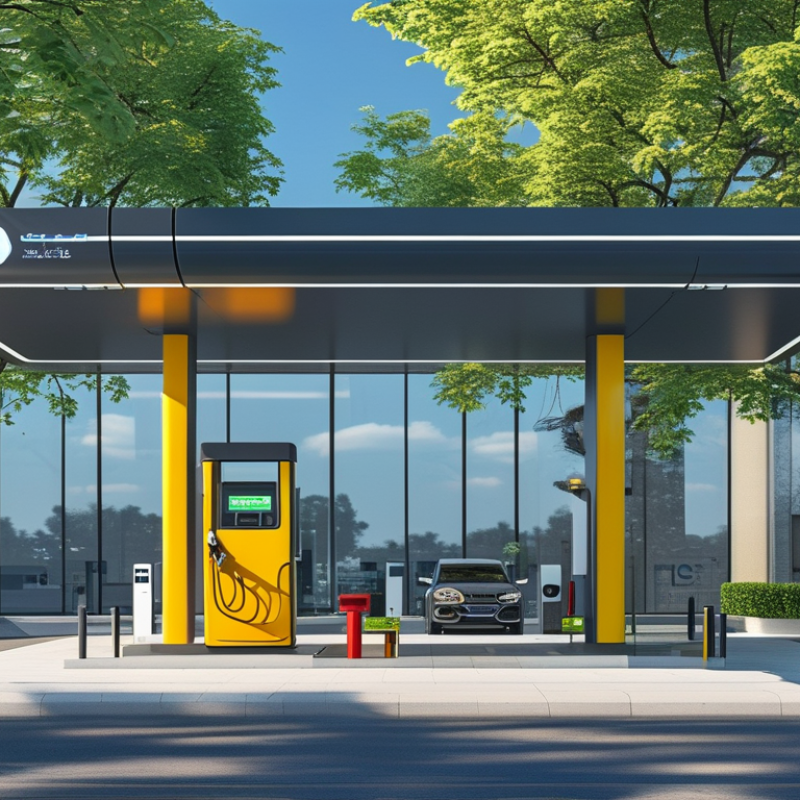
What is a Hydrogen Refueling Station?
A hydrogen refueling station is an essential facility for powering hydrogen fuel cell vehicles. These stations convert hydrogen gas into a usable energy source. They can typically produce hydrogen on-site using water and renewable energy sources. The process results in a clean fuel option for environmentally conscious drivers.
Refueling at these stations resembles filling a gas tank. Drivers connect a nozzle to their vehicle's hydrogen inlet. The station then pumps hydrogen under high pressure. This method allows vehicles to be refueled quickly, often in less than five minutes. However, these stations are not as widespread as traditional fueling stations, which can be a challenge for drivers.
Developing more hydrogen refueling stations requires careful planning. Accessibility is a major concern. Some regions have limited infrastructure. Experts suggest collaborations with energy companies to improve this situation. They believe expanding the network will increase hydrogen vehicle adoption. Yet, there is debate over the efficiency of hydrogen production versus battery electric vehicles. Addressing these complexities is necessary for future advancements.
What is a Hydrogen Refueling Station and How Does it Work?
| Dimension | Details |
| Type of Hydrogen Used | Pure Hydrogen (H2) |
| Refueling Pressure | 700 bar (10,000 psi) |
| Refueling Time | 3-5 minutes |
| Safety Features | Leak detection, emergency shut-off systems, ventilation |
| Energy Source | Renewable and non-renewable sources (e.g., electrolysis, natural gas reforming) |
| Availability | Increasingly available in urban areas and near highways |
Key Components of a Hydrogen Refueling Station
Hydrogen refueling stations are essential for supporting fuel cell vehicle infrastructure. They primarily consist of several key components: a hydrogen storage system, compression units, dispensers, and safety management systems.
The hydrogen storage system usually employs high-pressure tanks that ensure safe and efficient energy transfer. According to the U.S. Department of Energy, well-designed storage can deliver 700 bar pressures, enabling rapid refueling within minutes. Compression units increase the hydrogen gas pressure and prepare it for dispensing. Accurate compression is critical; even minor inconsistencies can compromise safety.
Dispensers are user interfaces, often resembling traditional gasoline pumps. They provide drivers with a seamless refueling experience. A study from the National Renewable Energy Laboratory highlights the need for robust safety management systems as they monitor pressure, leak detection, and emergency shutdown protocols. These systems are paramount, as incidents in hydrogen stations can have severe consequences.
Tips: Regular maintenance of each component can enhance station reliability. Operators should train staff on safety protocols. Encourage users to familiarize themselves with the refueling process to minimize errors. Training can help highlight the importance of emergency shutoffs.
Investing in hydrogen infrastructure parallels the push for renewable energy. However, ongoing research must address refueling station efficiency and public acceptance. Developing clear regulations and safety guidelines remains an industry challenge.
How Hydrogen Refueling Stations Operate
Hydrogen refueling stations are crucial for the advancement of hydrogen fuel cell vehicles. These stations enable safe and efficient refueling of hydrogen-powered cars, buses, and trucks. Essentially, they combine hydrogen storage, compression, and dispensing systems, facilitating rapid refueling for vehicles that rely on this clean energy source. According to a 2022 report by the International Energy Agency, there were approximately 600 hydrogen refueling stations worldwide, marking a 20% increase from the previous year.
The operation of these stations is quite intricate. Hydrogen gas is typically generated through electrolysis or steam methane reforming. After production, the gas is compressed and stored in high-pressure tanks. When a vehicle arrives, a dispenser connects to its fueling inlet. The hydrogen is then transferred at high pressures, taking just a few minutes to refuel, similar to traditional gasoline stations. Data shows that most refueling times range from 3 to 15 minutes, showcasing the quick turnaround for drivers.
However, the infrastructure faces challenges. The cost of building hydrogen stations is high, averaging between $1 million to $2 million each. Additionally, safety concerns regarding hydrogen's flammability must be addressed rigorously. As demand for hydrogen fuel grows, solutions to these issues are essential for the technology’s widespread adoption. The evolving market must seek not only efficiency but also reliability and safety to gain consumer trust.
Hydrogen Refueling Stations Daily Usage Analysis
Safety Measures in Hydrogen Refueling Stations
Hydrogen refueling stations are crucial for supporting hydrogen fuel cell vehicles. They provide a safe, efficient way to refuel cars, buses, and trucks. However, safety is a primary concern in these facilities. Hydrogen is highly flammable, requiring strict safety measures.
One common safety measure involves the use of gas detection systems. These systems identify any hydrogen leaks immediately. They work alongside ventilation systems to disperse hydrogen safely into the atmosphere. Operators must also follow proper training protocols. Educating staff on emergency procedures enhances overall safety.
Tips: Station operators should conduct regular safety drills. This prepares them for any potential incidents. Signage indicating emergency procedures should be clear and visible.
Another crucial aspect is the design of the station. Safety features like explosion-proof barriers help to minimize risks. Refueling nozzles are designed to prevent backflow and overfilling. Using standardized equipment ensures compatibility and reduces the chance of accidents.
Tips: Regular maintenance checks can prevent many hazards. Ensure that all equipment meets safety standards to reduce risks. Implementing a routine safety audit can further enhance station reliability.
Future Developments in Hydrogen Refueling Technology
The future of hydrogen refueling technology is promising yet complex. Innovations are emerging to improve the efficiency of hydrogen production. Electrolysis is gaining traction, where water is split into hydrogen and oxygen using renewable energy. This process can significantly reduce carbon emissions, making it an environmentally friendly option. However, scaling this technology remains a challenge, requiring further investment and research.
Another exciting development involves advancements in storage solutions. Current storage methods often lead to inefficiencies and safety concerns. New materials, like metal hydrides, show potential for safe and efficient storage. These materials could enhance energy density, leading to more compact refueling stations. Yet, the high cost of these technologies may hinder their widespread adoption.
Real-world applications are still in the testing phase. Cities are exploring the feasibility of hydrogen highways, integrating refueling stations strategically to support fuel-cell vehicles. While this vision is inspiring, many hurdles exist, including infrastructure costs and public acceptance. The path forward will depend on collaboration among governments, researchers, and communities to foster a sustainable hydrogen economy.