What is an Industrial PC and Why Does Your Business Need One?
In today’s fast-paced industry, technology plays a crucial role. An Industrial PC is a specialized computer designed for harsh environments. It is built to withstand extreme temperatures, dust, and vibrations. This ensures reliability in manufacturing, automation, and other applications.
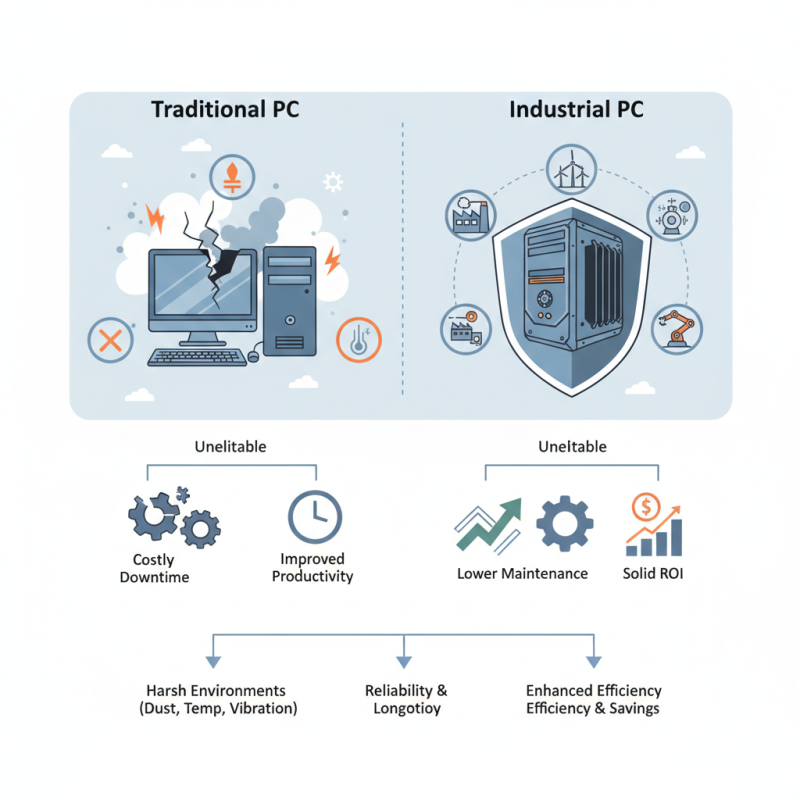
Businesses often overlook the significance of using an Industrial PC. Regular computers may fail in demanding settings, leading to costly downtime. An Industrial PC offers stability and longevity, tailored to handle intensive workloads. The rugged build reduces the likelihood of malfunctions, which is essential for continuous operation.
Investing in an Industrial PC can seem daunting. Initial costs are higher than standard models. However, the long-term benefits outweigh these concerns. Improved productivity, lower maintenance, and enhanced efficiency contribute to a solid return on investment. Understanding your business needs is essential for making the right choice in this area.
Definition of an Industrial PC and Its Unique Features
An industrial PC is a specialized computer designed for use in harsh environments. This definition highlights its toughness and reliability. These PCs can withstand extreme temperatures, dust, and vibrations. They often feature robust casings and solid-state drives to ensure durability.
Unique features include enhanced connectivity options. Industrial PCs typically support multiple input and output interfaces. This flexibility is vital for connecting various machinery and devices. Furthermore, they provide extended lifecycle support compared to standard PCs. Businesses benefit from longer-lasting equipment, reducing frequent replacements.
However, not all industrial PCs are created equal. Some may lack adequate processing power for demanding applications. It's important to evaluate your specific needs and choose wisely. Ignoring this can lead to performance issues. Understanding these aspects can help businesses make informed decisions about their technology investments.
Key Differences Between Industrial PCs and Consumer Computers
When considering the key differences between industrial PCs and consumer computers, it's clear they serve distinct functions. Industrial PCs are built for rugged environments. They can withstand extreme temperatures, dust, and moisture. In contrast, consumer computers focus on performance for everyday tasks. Research indicates that the lifespan of an industrial PC can reach over ten years, while consumer systems typically last around three to five years.
Reliability is crucial for businesses. Industrial PCs often feature fanless designs to reduce wear and tear. They also have longer product support cycles, which is vital for companies needing consistent performance. According to a report from ResearchAndMarkets, the global industrial PC market is projected to grow by 5.4% annually, highlighting their increasing importance in sectors like manufacturing and automation.
Moreover, industrial PCs employ specialized operating systems, enhancing their capability in specific applications. The deployment of a consumer computer in such settings can lead to failure under demanding conditions. Businesses often face downtime if their systems cannot handle operational stress. A recent survey indicated that 45% of manufacturers experienced productivity loss due to unsuitable hardware. This underlines the necessity of choosing the right technology for industrial applications.
Applications of Industrial PCs in Various Industries
Industrial PCs (IPCs) are gaining traction across various sectors. Their durability and adaptability make them essential for many businesses. In the manufacturing sector, IPCs withstand harsh environments. They function seamlessly in extreme temperatures, dust, and moisture. According to a report by Grand View Research, the global industrial PC market is expected to reach $8.41 billion by 2025, reflecting a compound annual growth rate of 5.4%. This growth highlights the rising demand for robust computing solutions.
In the energy sector, IPCs control critical processes. They monitor data in real-time, improving efficiency. For instance, a study by MarketsandMarkets reveals that smart grid technology will drive IPC use in energy management. This technology allows utilities to analyze data cooperatively. As businesses pivot towards automation and data analytics, IPCs play a pivotal role. Industries that rely on precision will especially benefit from their capabilities.
Moreover, IPCs are essential in transportation and logistics. They manage systems that track shipments and fleet operations. A report by Allied Market Research indicates that this sector will see a substantial reliance on IPCs. However, businesses must regularly reflect on their technology integration strategies. There are challenges, such as the need for ongoing maintenance. While IPCs offer numerous advantages, ensuring their capabilities align with business goals is crucial.
Benefits of Implementing Industrial PCs in Business Operations
Industrial PCs (IPCs) are designed for the tough conditions found in manufacturing and industrial settings. Their durability is a key benefit. They resist dust, heat, and vibrations better than standard PCs. This resilience ensures continuous operation without frequent breakdowns. Businesses can save costs on maintenance and replacements.
Implementing IPCs can streamline operations. They can run software for real-time monitoring and analysis. This enhances productivity. Workers can make quicker decisions based on accurate data. An IPC can connect to factory automation systems, optimizing the workflow. Enhanced connectivity leads to better communication between machines and personnel.
Tips: When choosing an IPC, consider the specific environment. Assess the temperature, humidity, and dust levels. Make sure to select models that fit these criteria. Regular updates for software are essential. This keeps systems secure and functioning optimally. Businesses often overlook this aspect. Regular maintenance checks can prevent costly downtime. An IPC might offer numerous benefits, but it requires thoughtful implementation.
Considerations for Choosing the Right Industrial PC for Your Needs
When selecting an industrial PC, it’s crucial to assess your unique requirements. Start by evaluating the environment in which it will operate. Will it face extreme temperatures, moisture, or vibrations? Ensuring the PC can withstand these conditions is vital for longevity and reliability. A robust chassis and sealed components can enhance durability in harsh settings.
Consider the processing power needed for your applications. Do you require high-performance graphics for visualization or just basic data processing? Balancing performance with energy efficiency can save costs in the long run. Additionally, look into the expandability of the system. The ability to upgrade or integrate new components as technologies evolve is essential.
Furthermore, don't overlook the importance of support and servicing. A strong service network provides peace of mind. Access to timely repairs can prevent costly downtimes. Take time to explore different manufacturer options, ensuring they have a proven track record in industrial settings. Reflect on these factors, as they can significantly influence the success of your operations.