Why Investing in Food Industry Equipment is Essential for Business Success?
Investing in food industry equipment is vital for any business aspiring for success. The food sector is evolving rapidly. As reported by IBISWorld, the U.S. food equipment market reached a staggering $8.5 billion in 2022, showcasing immense growth potential. This market growth underscores the pressing need for businesses to prioritize modern and efficient equipment.
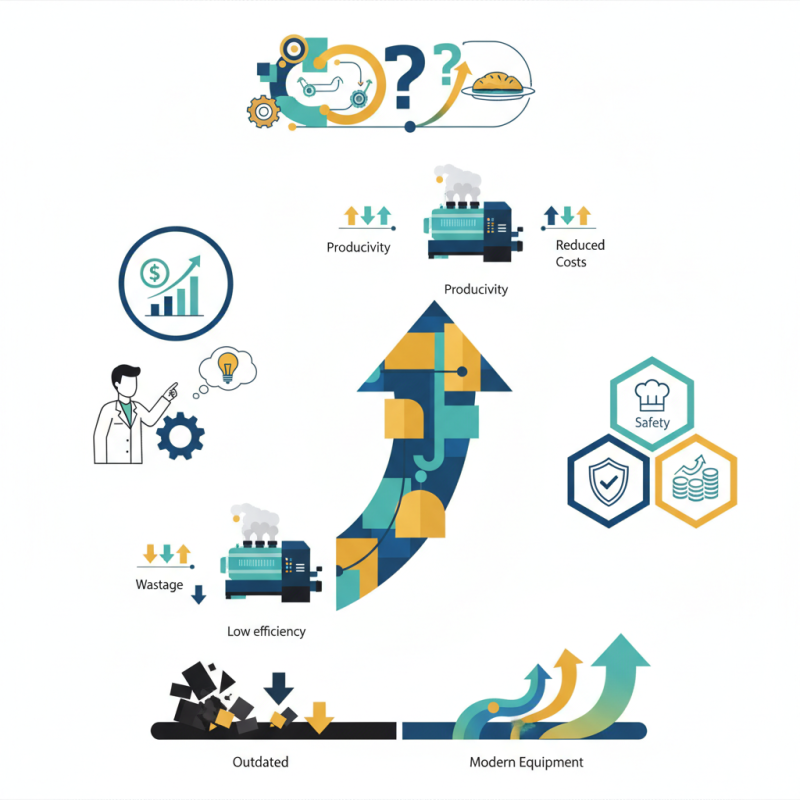
Industry expert, Dr. Sarah Choi, emphasizes, "High-quality food industry equipment is not just an asset; it's an imperative for operational efficiency." She highlights that investing in such equipment can significantly reduce wastage and improve productivity. In a world where consumer demands are rising, failure to adapt can lead to stagnation.
However, not all businesses recognize the importance of this investment. Many entrepreneurs underestimate how outdated equipment affects their operations. Lagging behind in technology can result in higher costs in the long run. Ensuring your business thrives in the competitive landscape means taking a hard look at your food industry equipment. The right tools can boost quality, safety, and profitability.
The Importance of High-Quality Equipment in Food Production
The food industry is evolving rapidly. High-quality equipment plays a crucial role in this transformation. According to a recent report by the Food Processing Equipment Manufacturers Association, equipment efficiency can boost productivity by up to 25%. This is significant for businesses aiming to stay competitive.
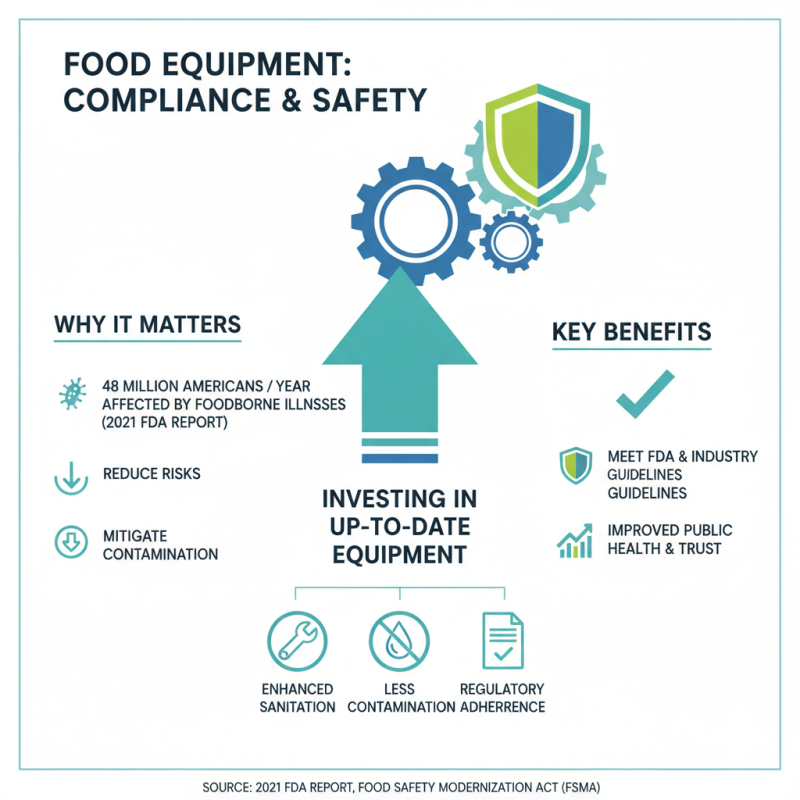
Investing in advanced machinery not only increases output but also enhances food safety. Reliable equipment reduces contamination risks. A survey by the International Food Safety Authority found that 63% of foodborne illness outbreaks were linked to inadequate processing methods. Upgrading to state-of-the-art equipment can diminish these risks dramatically.
Furthermore, high-quality tools can streamline operations. Automation is becoming essential in food production. A study showed that automated processes lead to fewer human errors. However, many businesses still rely on outdated machinery. This can lead to costly repairs and inefficiency. Regular reviews of equipment needs are vital for ongoing success. Making informed decisions today can lead to significant returns in the future.
Financial Impacts of Upgrading Food Industry Equipment
Upgrading food industry equipment has significant financial impacts. According to a report by the Food and Beverage Industry Association, modernizing equipment can boost operational efficiency by up to 25%. This efficiency reduces waste and streamlines production processes. Investing in high-quality machinery can cut labor costs as well. Automated systems often require fewer staff, leading to long-term savings.
Moreover, the initial capital needed for new equipment may seem high. However, studies show that businesses can recover this investment within two to three years. The International Journal of Food Science found that companies with updated equipment experience 30% faster production times. This leads to quicker market responsiveness. In contrast, outdated machines lead to costly downtimes and inconsistent product quality.
Balancing cost and innovation is crucial. Some businesses hesitate to invest due to budget constraints. They often overlook how improved equipment can enhance food safety standards. Failing to upgrade can lead to compliance issues and potential recalls, both costly to manage. The food industry must weigh immediate expenses against long-term benefits for sustained success.
Technological Innovations Driving Efficiency in Food Processing
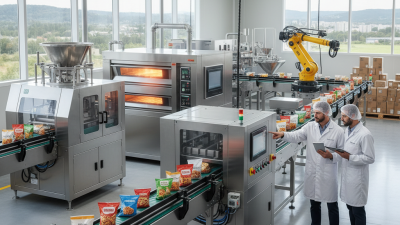
In the food industry, technological innovations have become crucial for enhancing efficiency. Automation and smart machinery are key players in streamlining food processing operations. For instance, robotic systems perform repetitive tasks with precision. This reduces human error and speeds up production. Adjusting to these technologies is essential, yet many businesses struggle to integrate them effectively.
Moreover, data analytics tools provide insights into operational performance. They help identify bottlenecks and optimize processes. However, relying solely on technology can be a double-edged sword. Businesses must ensure they have trained staff who understand these tools. Without proper training, benefits may not be realized.
Investing in equipment is a significant upfront cost, yet it pays off. Enhanced equipment can lead to better quality and consistency in food products. Businesses often find themselves reflective on missed opportunities when they hesitate. The key lies in balancing technology adoption and human expertise to create a more efficient food processing environment.
Long-Term ROI: Analyzing Investment in Food Industry Machinery
Investing in food industry machinery has become crucial for long-term success. The right equipment can optimize production lines, reduce waste, and improve overall efficiency. These factors directly contribute to a business's bottom line. When analyzing return on investment (ROI), it's important to consider the lifespan of machinery and potential repair costs. Sometimes, cheaper equipment may lead to higher maintenance issues, affecting profitability.
A thorough assessment of equipment needs is essential. Understanding specific production requirements helps guide investment decisions. For example, a bakery might need advanced ovens for consistent baking. An ice cream manufacturer may require specialized freezers for quality preservation. Each piece of equipment should align with long-term business goals.
Investors should remain flexible. Market demands can shift, making previously efficient machines less suitable over time. Regularly evaluating machinery can help businesses stay competitive. Recognizing when to upgrade or replace equipment is just as important as the initial investment. This introspection ensures sustained growth and adaptability in a rapidly evolving industry.