Top Tips for Choosing Wire Terminal Connectors for Your Needs?
In the world of electrical connections, choosing the right Wire Terminal Connectors is crucial. According to leading expert John Smith, “Selecting the correct connector can make all the difference in a project's success.” With a myriad of options available, making a decision can be overwhelming. Quality, durability, and compatibility are vital factors to consider when choosing these connectors.
Wire Terminal Connectors come in various shapes and sizes. It's essential to understand your specific needs. For instance, some projects may require connectors that withstand extreme temperatures while others prioritize ease of installation. Expert advice often highlights the importance of researching and aligning product specifications with project requirements.
In the end, the decision-making process may not always be straightforward. Mistakes can happen if one rushes to choose. Therefore, careful consideration is needed when selecting Wire Terminal Connectors. Balancing personal research with expert insights can lead to an informed choice, enhancing the project's overall reliability and effectiveness.
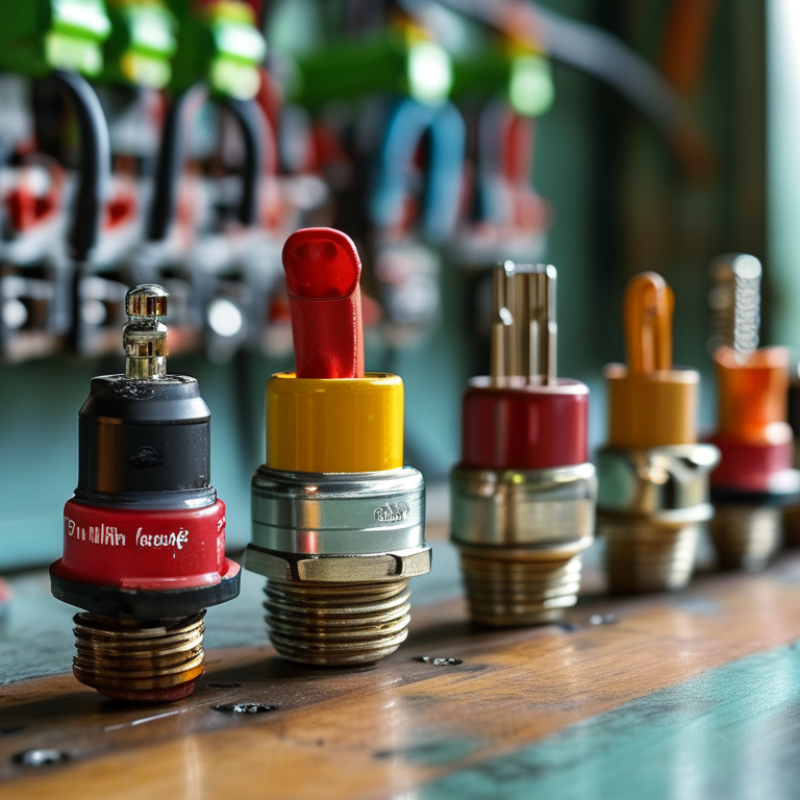
Understanding Wire Terminal Connector Types and Their Applications
When selecting wire terminal connectors, understanding the types available is vital. There are several connector types, each designed for specific applications. For instance, butt connectors are great for splicing two wires together, while ring terminals suit applications needing secure fastening. Knowing these differences helps ensure you make the right choice.
In industrial settings, you might encounter insulated connectors, which protect from accidental shorts. Conversely, uninsulated connectors are often used in areas where space is tight. Consider the wire gauge too; connectors must match the wire size for reliable performance. It's also essential to think about environmental factors. Extreme temperatures or moisture can affect connector integrity.
Balancing quality and cost is another challenge. Cheaper options may save money upfront, but they can lead to failures. A failed connection can result in downtime, loss, and safety concerns. Always remember, while price is a factor, durability should not be overlooked. Ultimately, understanding these connector types aids in making informed decisions.
Key Factors to Consider When Selecting Wire Terminal Connectors
Choosing the right wire terminal connectors is crucial for ensuring a reliable electrical connection. When selecting connectors, be mindful of the application. Different projects need different types. For example, heavy-duty machines might require robust connectors capable of handling higher current ratings. In contrast, smaller electronic devices could need more compact options. Evaluate the environmental conditions too. Will the connectors face moisture, heat, or vibrations? Understanding the operating environment helps in making informed decisions.
Material choice plays a vital role in connector performance. Copper tends to provide excellent conductivity, but its resistance to corrosion should also be considered. A poorly chosen material could lead to connection failures over time. Look for connectors that provide good insulation, as this can prevent unwanted short circuits. Sometimes, the most expensive option isn't the best; often, durability matters more than price. Test results and reviews from users can offer insights.
Compatibility is another factor. Ensure the connectors you choose fit the wires and devices you plan to use. Misfitting parts can lead to inefficiencies. While visual inspection is helpful, always look for specifications and performance ratings. There’s often a gap between expectation and reality when it comes to performance. It’s essential to seek connectors backed by reputable testing and standards. Balancing various factors can lead to optimal choices for your specific needs.
Top Tips for Choosing Wire Terminal Connectors for Your Needs
| Key Factor | Description | Considerations |
| Wire Gauge | Determine the appropriate wire gauge for your application. | Check the ampacity ratings and ensure compatibility with connectors. |
| Connector Type | Choose between options like spade, ring, or bullet connectors. | Consider the application's requirements for ease of connection. |
| Material | Select materials such as copper or aluminum for electrical conductivity. | Evaluate corrosion resistance based on the installation environment. |
| Size and Space | Ensure the connector fits within the available space. | Consider the dimensions and layout of the installation area. |
| Temperature Rating | Understand the temperature range the connector can withstand. | Evaluate the ambient conditions and potential heat sources. |
| Protection Ratings | Check ratings such as IP68 for dust and water resistance. | Match the connector's protection level to the usage environment. |
Industry Standards and Certifications for Wire Terminal Connectors
When selecting wire terminal connectors, understanding industry standards and certifications is crucial. These standards ensure safety, reliability, and compatibility across various applications. Familiarize yourself with standards such as UL, IEC, and ISO. Each standard provides guidelines for materials, performance, and testing protocols.
Certifications signify that connectors have undergone rigorous testing. Look for products with markings indicating compliance. This can prevent potential failures. However, not all connectors will meet high standards. Some may lack proper certification, which can lead to dangerous situations. Always verify the authenticity of these certifications before making a purchase.
Conducting thorough research is essential. Online resources, forums, and technical publications can provide valuable insights. Don't hesitate to seek expert advice. Often, customers overlook compatibility with their specific applications. This can result in improper connections and equipment malfunction. Being aware of these details can save time and resources in the long run.
Evaluating Material Choices: Metal vs. Insulation in Connectors
When selecting wire terminal connectors, evaluating the materials is crucial. Metal and insulation choices can significantly impact the performance and durability of connectors. Metals like copper and aluminum offer strong electrical conductivity but may corrode over time. Insulated connectors, however, provide protection against shorts and environmental factors.
Choosing between metal and insulation often comes down to your specific application. For instance, if you're working in a high-humidity environment, consider connectors with superior insulation. These connectors resist moisture and prevent corrosion, prolonging the connection's life. However, the trade-off can be reduced conductivity in some insulated models.
Understanding the strengths and weaknesses will help you tailor your choices. Evaluate the operating conditions, such as temperature and exposure to chemicals. Prioritize materials that align with your use case while considering factors like cost and reliability. Balancing durability and effectiveness is key in the selection process.
Common Industry Practices and Mistakes in Terminal Connector Selection
When selecting wire terminal connectors, common industry practices can guide you. Many professionals focus solely on the technical specifications, neglecting factors like environmental conditions. For instance, considering moisture or chemical exposure is crucial. Improper selection can lead to premature failure.
Another frequent mistake is underestimating connector sizes. It might seem minor, but a wrong gauge can disrupt electrical flow. Some connectors may appear compatible, but subtle differences can cause issues. Ensuring the right fit prevents unexpected downtime.
Many overlook the importance of brand quality and standards. Using low-cost alternatives might save money upfront but can compromise safety and reliability. Researching materials and manufacturing processes is vital. Proper validation ensures that your connectors perform consistently over time.
Top Tips for Choosing Wire Terminal Connectors
This chart illustrates the importance levels of various factors to consider when selecting wire terminal connectors. Material quality ranks highest, followed closely by current rating and environmental rating. Understanding these elements can greatly reduce selection mistakes.