Top 10 Dairy Equipment Every Business Needs to Succeed?
In the competitive world of dairy production, having the right dairy equipment is crucial. Every business, large or small, needs dependable tools to ensure quality and efficiency. From pasteurizers to milking machines, the right equipment can make a significant difference. Dairy equipment not only impacts product quality but also affects operational costs.
Investing in top-tier dairy equipment can enhance production processes. It can help businesses maintain hygiene standards and meet regulatory requirements. Without the best tools, inefficiencies can arise, leading to waste and increased costs. Many businesses overlook the importance of investing in reliable machinery.
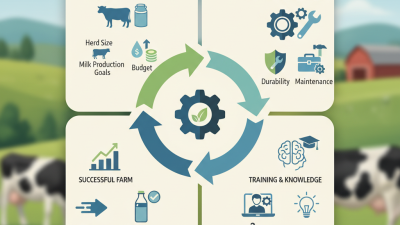
Choosing the right dairy equipment is a challenging yet vital decision. It's essential to reflect on specific needs and industry standards. Balancing budget constraints with equipment quality requires careful thought. In the fast-paced dairy industry, neglecting these aspects could hinder growth. A well-chosen piece of equipment can become an invaluable asset, while a poor choice can lead to costly setbacks.
Essential Milk Processing Equipment for Every Dairy Business
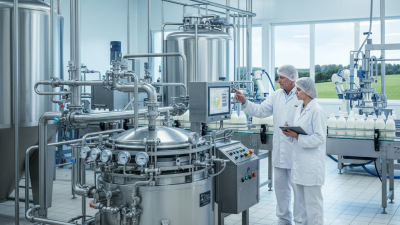
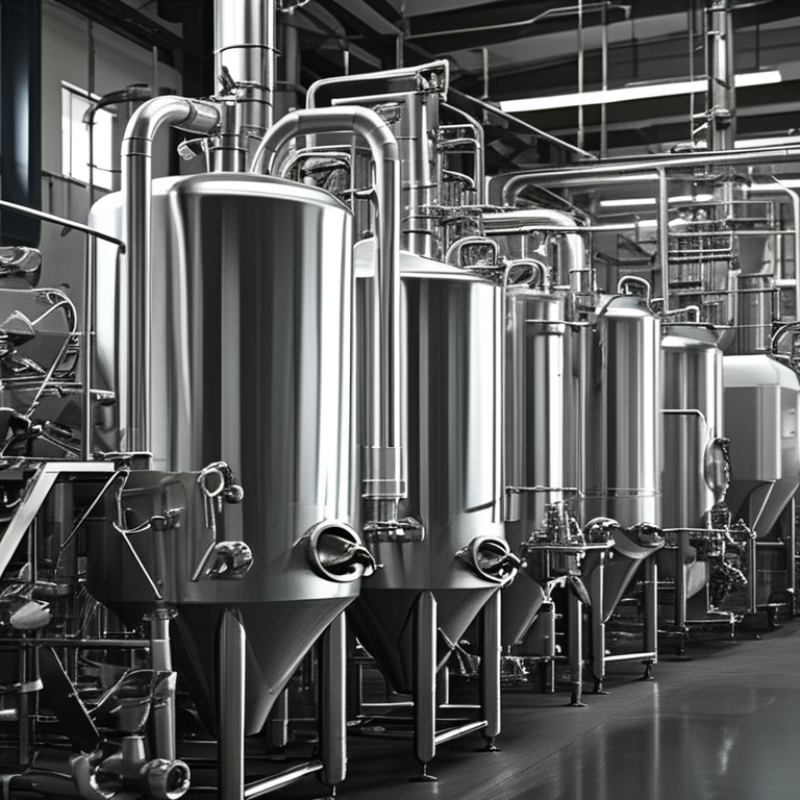
In the competitive world of dairy, having the right milk processing equipment is crucial. Key machines streamline operations, enhance production, and improve quality. A pasteurizer is fundamental for ensuring milk safety. It eliminates harmful bacteria while preserving flavor and nutrients.
A good homogenizer breaks down fat molecules. This avoids cream separation. It creates a smooth texture, appealing to consumers. Similarly, a separator is essential. It efficiently divides cream from milk, allowing for better product variety.
Tips: Always prioritize equipment maintenance. Regular checks can prevent costly breakdowns. Also, consider energy efficiency. Reducing energy consumption leads to lower operational costs.
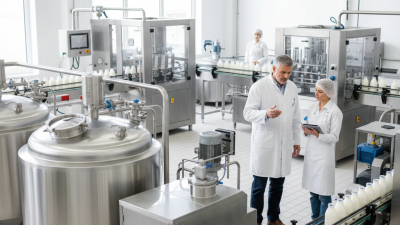
Investing in a reliable filling machine aids in packaging. It increases efficiency and maintains hygiene. Remember, producing high-quality dairy products requires quality equipment. Each choice impacts your final product. Choose wisely to ensure market competitiveness.
Key Tools for Efficient Dairy Equipment Maintenance and Cleaning
Maintaining dairy equipment is essential for any business in the dairy industry. Regular cleaning not only ensures hygiene but also prolongs the life of the equipment. One critical tool is the high-pressure washer. It effectively removes stubborn residues from surfaces. A well-maintained environment promotes product quality.
Another key item is a professional-grade, food safe sanitizer. This ensures that all equipment is free from harmful bacteria. It’s essential to follow the manufacturer's instructions for dilution and contact time. Occasionally, many overlook the importance of thorough personal training in equipment use. Improper use can lead to costly errors.
Lastly, creating a schedule for maintenance checks can prevent unexpected breakdowns. Regular inspections allow businesses to identify wear and tear early. Some operators may forget small parts, which can lead to bigger issues. Each tool in the dairy operation contributes to efficiency and safety. By focusing on these practices, businesses can enhance their operations.
Innovative Technologies in Dairy Equipment for Increased Productivity
In the dairy industry, embracing innovative technologies is crucial for enhancing productivity. Automation has transformed traditional processes. Milking systems, equipped with sensors, now ensure cows are milked efficiently and comfortably. This technology reduces labor costs and maximizes output. Smart feeding systems also monitor individual animal needs, optimizing nutrition and minimizing waste.
Investing in energy-efficient equipment can yield significant savings. For instance, advanced cooling systems use less energy while maintaining optimal temperatures. Additionally, IoT devices enable real-time monitoring of equipment performance. Issues can be identified quickly, preventing costly downtimes. However, integrating these technologies requires training and adjustment. Staff may face initial resistance to change, highlighting the need for a thoughtful implementation plan.
Data analytics plays a vital role in driving decision-making. Analyzing production metrics reveals trends that can guide operational improvements. Still, not all data may be relevant, and distinguishing between useful insights and noise can be challenging. Businesses must adopt a mindset of continuous learning and adaptation. The dairy sector is evolving rapidly, and staying ahead means not only investing in equipment but also in people and processes.
Top 10 Dairy Equipment for Increased Productivity
Must-Have Dairy Equipment for Quality Control and Safety Compliance
Quality control and safety compliance are critical for dairy businesses. The right equipment can make a significant difference. For instance, pasteurizers ensure that milk is heated to eliminate harmful bacteria. This step is non-negotiable for consumer safety. Regular checks on pasteurization outcomes are vital. They help maintain product safety standards.
Another essential tool is a reliable refrigeration system. It maintains the freshness of dairy products during storage. Improper temperatures can lead to spoilage and health risks. Regular maintenance checks on these systems are necessary. Equipment failure can lead to costly waste and potential safety violations.
Additionally, having effective cleaning systems is crucial. Sanitation must be prioritized in dairy facilities. Equipment like automated cleaning systems can ensure cleanliness. Regular audits of cleaning protocols also help identify gaps. Reflection on these processes can lead to improved practices. Ensuring compliance with safety standards protects both consumers and your business reputation.
Budget-Friendly Dairy Equipment Options for Small Businesses
Budget-friendly dairy equipment is essential for small businesses. According to a recent industry report, nearly 40% of small dairy operations cite high equipment costs as a significant barrier to entry. This concern leads many entrepreneurs to seek budget-friendly options without sacrificing quality.
Investing in essential dairy equipment does not need to break the bank. For instance, a basic pasteurizer can significantly enhance product safety and quality while providing a good return on investment. Small-scale cheesemakers have reported that efficient, affordable cheese vat options can help them produce high-quality products with lower operational costs. Moreover, a manual milker can be a cost-effective solution for small dairy farms. The cash flow saved from reduced equipment expenses can be reinvested in other areas of the business.
However, entrepreneurs must be vigilant about choosing the right equipment. While low-cost options are appealing, they may sometimes lack the durability needed for long-term success. Research shows that while 30% of small dairy operations opt for the cheapest available equipment, this often leads to higher replacement costs over time. Balancing initial costs with long-term reliability is crucial for building a successful dairy business. Exploring financing options or even cooperative purchasing can help mitigate these challenges.