Top Fish Machinery for Sustainable Aquaculture Solutions?
In today's world, sustainable aquaculture is more important than ever. The increasing demand for seafood drives the need for effective production methods. Fish machinery plays a crucial role in this process. It aids in optimizing resources and minimizing waste. Advanced technology helps enhance fish farming efficiency.
Innovative fish machinery has led to significant improvements in sustainability. For example, automated feeding systems reduce overfeeding, which can harm water quality. Water filtration devices can recycle and purify water, promoting healthier fish growth. However, these technologies are not without challenges. They require proper maintenance and operator training to be effective.
The right fish machinery can transform aquaculture into a more sustainable practice. Yet, the industry must continuously adapt and evaluate these technologies. As we strive for better solutions, reflection on past practices is vital. Only then can we fully harness the potential of modern aquaculture.
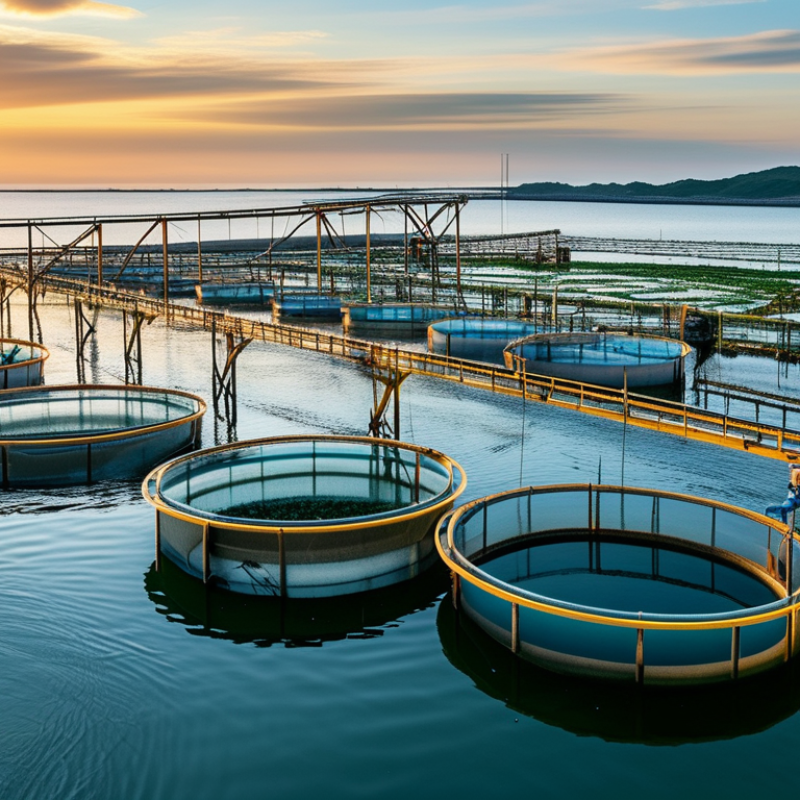
Innovative Fish Machinery Enhancing Sustainable Aquaculture Practices
Innovative fish machinery plays a pivotal role in enhancing sustainable aquaculture practices. These technologies enable fish farms to minimize their environmental impact while improving efficiency. The use of automated feeding systems helps reduce waste. These systems ensure fish receive the right amount of feed at the right time.
When selecting fish machinery, it's crucial to consider energy consumption. Opt for energy-efficient models. They not only minimize costs but also lessen carbon footprints. Regular maintenance of equipment can prevent costly breakdowns. Well-maintained machinery operates more efficiently, ensuring a healthier yield.
Tip: Explore how water quality monitoring tools can improve fish health. Regular checks can prevent diseases, saving time and resources. Additionally, take the time to evaluate your practices. Reflecting on your methods and equipment use can lead to innovative solutions. Embracing technology with a critical eye fosters sustainable growth in aquaculture.
The Role of Technology in Improving Aquaculture Efficiency and Sustainability
Innovative technology plays a crucial role in enhancing aquaculture's efficiency and sustainability. According to a report by the Food and Agriculture Organization (FAO), aquaculture is projected to provide over 50% of all seafood by 2030. This demand necessitates advanced solutions to ensure the industry's growth is both sustainable and responsible. Technology in fish farming can optimize feed management. Efficient feed conversion can reduce waste and environmental impact, ultimately lowering production costs.
Automation is transforming operations in aquaculture. Sensors and data analytics streamline farming practices. For instance, a recent study indicated that automated feeding systems could reduce feed waste by as much as 25%. However, the reliance on technology also raises questions about over-dependence and potential job losses. Aquaculture workers must adapt alongside these innovations to remain relevant in a rapidly changing industry. Additionally, while tech improves yield, it can lead to monocultures, which may harm biodiversity.
Sustainable practices must be at the forefront of technological advancement. The World Bank highlighted that intelligent systems could increase fish production per unit area by 30%. Yet, the challenge remains to balance these advancements with environmental preservation. Responsible sourcing and eco-friendly technologies should pave the way for a thriving aquaculture future, where efficiency meets sustainability.
Top Fish Machinery for Sustainable Aquaculture Solutions
Key Features to Look for in Sustainable Aquaculture Equipment
Sustainable aquaculture is essential for preserving marine ecosystems. In choosing the right equipment, specific features make a significant impact. For instance, energy efficiency is critical. Reports indicate that energy costs represent up to 40% of an aquaculture operation’s expenses. Systems that reduce energy consumption can lower costs and decrease environmental impact.
Another essential feature is water quality management. Advanced filtration systems enable optimal oxygen levels and reduce waste. A study published in the Aquaculture Journal highlighted that superior water management can boost fish growth by 20% compared to standard methods. Monitoring devices that track parameters in real time are vital for ensuring healthy environments.
Indispensable technology for feeding is also crucial for sustainability. Automated feeding systems can minimize waste and provide precise amounts tailored to fish needs. An analysis by the Global Aquaculture Alliance revealed that using such systems can reduce feed costs by 15% while enhancing growth rates. Despite this, many facilities overlook the importance of integrating these advanced features. Only through concerted efforts can long-term sustainability be achieved.
Case Studies: Successful Implementation of Efficient Fish Machinery
Sustainable aquaculture is reshaping the fishing industry. Advanced fish machinery plays a crucial role in this transformation. For instance, the global aquaculture market was valued at $242.90 billion in 2021 and is projected to grow at a compound annual growth rate (CAGR) of 5.6% to reach $374.09 billion by 2029. This growth indicates a rising demand for efficient fish production systems.
Case studies highlight innovative implementations of fish machinery. In Norway, a company utilized automated feeding systems to optimize feed conversion ratios. Their fish growth improved by 30% while minimizing waste. Another example includes the use of recirculating aquaculture systems (RAS) in the Netherlands. RAS technology enabled farmers to achieve water recycling rates of over 95%. This system requires less land and reduces environmental impacts significantly.
However, challenges remain. High initial costs can deter smaller operations from adopting new technology. Training staff to operate complex machinery is essential but often overlooked. Ensuring that fish machinery meets sustainable practices without compromising efficiency is a constant hurdle. Balancing technology and ecological responsibility is critical for the future of aquaculture.
Future Trends in Sustainable Fish Farming Technologies and Equipment
Sustainable fish farming is crucial for our future food supply. New technologies aim to improve efficiency while reducing environmental impact. Aquaculture equipment is evolving rapidly. Innovations include advanced feeding systems and automated monitoring tools. These technologies increase productivity and minimize waste.
Consider using sensors to track water quality. This helps maintain optimal conditions for fish growth. Proper monitoring can prevent diseases and reduce mortality rates. Implementing these tools ensures a more reliable yield.
Another trend is the integration of renewable energy sources in fish farms. Solar panels and wind turbines can power operations efficiently. This shift reduces dependence on fossil fuels. It’s essential to explore local resources to enhance efficiency and sustainability.
Tips: Regular training for workers is vital. Their understanding of new technologies will directly affect success. Also, test new equipment on a small scale before full implementation to ensure compatibility and reliability.
Top Fish Machinery for Sustainable Aquaculture Solutions
| Technology |
Description |
Benefits |
Sustainability Impact |
| Recirculating Aquaculture Systems (RAS) |
System that filters and reuses water in fish farming. |
Reduced water usage, better environmental control. |
Minimizes wastewater discharge. |
| Aquaponics |
Combines fish farming with plant cultivation. |
Mutually beneficial ecosystem, efficient nutrient cycling. |
Promotes biodiversity and reduces the need for chemical fertilizers. |
| Automated Feeding Systems |
Systems that dispense feed based on fish behavior. |
Reduces overfeeding, lowers feed waste. |
Decreases water pollution from uneaten feed. |
| Biofloc Technology |
Cultivating beneficial microorganisms to improve water quality. |
Enhances growth rates and feed efficiency. |
Reduces reliance on external feed sources. |
| Smart Monitoring Systems |
IoT-based systems for real-time environmental monitoring. |
Prevents diseases, optimizes production conditions. |
Increasing overall farm efficiency and sustainability. |