Top Zinc Die Casting Manufacturers for Global Buyers
Choosing a Zinc Die Casting manufacturer is not just a price comparison. Buyers need parts that fit, perform, and arrive consistently. John Campbell, a respected casting researcher, is often quoted as saying, “The quality of a casting is determined by the quality of the liquid metal.” That principle matters in zinc work, where alloy control and process discipline can affect strength, surface finish, and dimensional stability.
A useful supplier review starts with the component itself. Ask about alloy selection, tooling design, expected tolerances, finishing options, inspection methods, and production capacity. Request sample parts, measurement reports, and clear explanations of how defects are tracked and corrected. A polished showroom sample is useful, but it cannot show how a supplier handles a full production run. Details matter.
Global buyers should also examine communication, lead times, packaging, and the supplier’s ability to manage design changes. Certifications may help, but they do not replace direct evidence of process control. Look for documented checks and specific answers, not broad promises. Some comparisons will remain imperfect: suppliers may quote different assumptions, and published capabilities do not always match a buyer’s part. That deserves scrutiny. The manufacturers featured in this guide are starting points for evaluation, not automatic endorsements. Verify claims against your drawings, volumes, and quality requirements before committing.
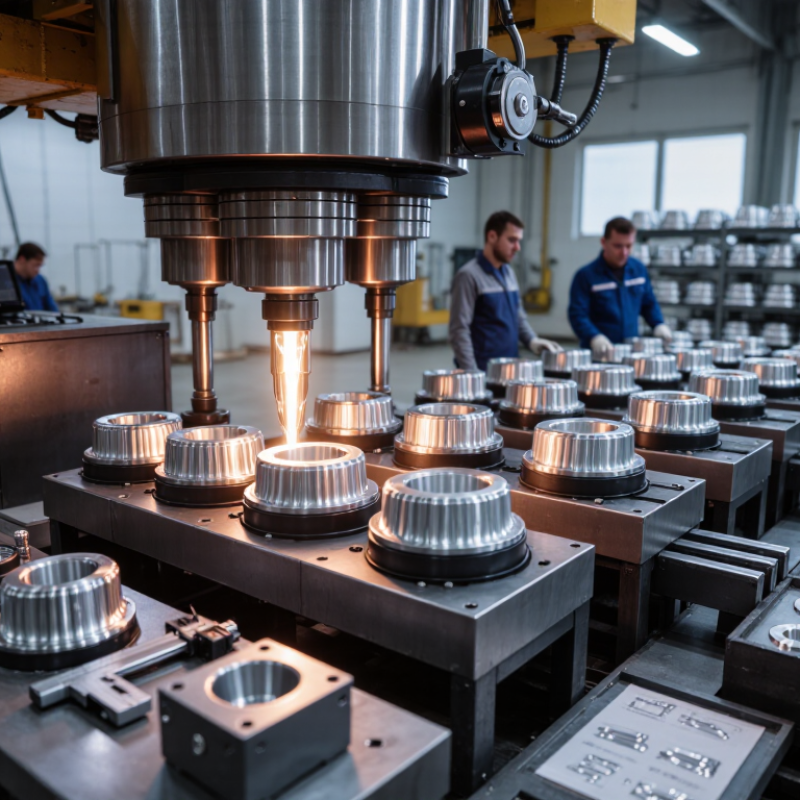
Zinc Die Casting: Processes, Materials, and Applications
Zinc die casting uses pressure to force molten alloy into a reusable steel mold. Many zinc alloys suit hot-chamber machines, which support quick production cycles. Their fluidity can fill thin sections and small details, such as ribs, threads, and crisp edges. The process still depends on careful mold design. Gates, vents, and cooling paths affect filling, porosity, and dimensional consistency. A rushed gate layout can leave uneven surfaces; that mistake is easy to underestimate.
Zinc parts appear in lock components, appliance fittings, electrical connectors, and vehicle interior mechanisms. They can combine detailed shapes with useful strength and a smooth finish. That does not make every design suitable. Designers should check wall thickness, load direction, operating temperature, and corrosion exposure before selecting an alloy. Plating or painting may improve appearance and protection, but adds cost and process steps. Small details matter. For global buyers, clear drawings, alloy specifications, inspection criteria, and sample approval help reduce misunderstandings between design and production teams.
Tips: Request a first-article sample and verify critical dimensions with suitable gauges. Ask how the supplier controls porosity and finish variation. Keep tolerances realistic; tighter is not always better. Review the part in its actual assembly, where a tiny fit issue can become obvious.
Key Criteria for Evaluating Zinc Die Casting Manufacturers
A capable zinc die casting manufacturer should understand your part’s geometry, alloy requirements, and intended production volume. Ask how the team controls die temperature, injection conditions, and dimensional variation. These details affect thin walls, sharp edges, and repeatability. Request inspection records for parts similar to yours, including measurements of critical features. A sample matters. So does the process behind it.
Evaluate tooling support, machining, surface finishing, and packaging as one connected workflow. Confirm who owns each step and how changes are documented. Ask about typical lead times, capacity during busy periods, and how the supplier handles defects. A polished sample is useful, but it cannot prove stable production by itself. Review batch records or inspect a trial run when practical. Communication matters, too: clear answers are reassuring; vague promises deserve follow-up. I would not assume every supplier’s stated tolerance suits your design without checking the actual drawing and measurement method.
Tips: Send a complete 3D model and drawing, with key dimensions clearly marked. Ask for a first-article report and a written plan for correcting issues. Small omissions in specifications can create costly surprises later.
Profiles of Leading Zinc Die Casting Manufacturers
Leading zinc die casting manufacturers usually distinguish themselves through process control, not impressive claims alone. Their profiles often show experience with thin walls, fine surface details, and repeatable dimensions. A practical facility may use automated casting cells, monitored furnace temperatures, and in-line checks for porosity. Small details matter. A stable cycle can reduce variation between the first sample and later production batches.
Some manufacturers focus on high-volume components, such as compact housings, handles, and fittings. Others specialize in complex parts that need multiple slides, tight tolerances, or secondary machining. Their engineering teams can review draft angles and wall thickness before tooling begins. This may prevent costly adjustments later. Still, early design reviews do not catch everything; parting lines or cosmetic marks can become concerns after the first trial.
A reliable supplier profile should describe inspection methods, tooling maintenance, and how defects are handled. Buyers can ask for sample measurements, material documentation, and a clear production-control plan. Visit the factory when possible. Look at finished parts under direct light, and check whether edges feel consistent. Communication deserves scrutiny too: vague answers about lead times or inspection limits may signal gaps in process ownership. Even experienced manufacturers have constraints, so matching their equipment and capacity to the part is more useful than choosing by reputation alone.
Regional Manufacturing Capabilities and Global Supply Chains
Zinc die casting manufacturers serve global buyers through regional networks shaped by labor, tooling, energy, and transport access. Some production regions offer mature toolmaking and finishing nearby; others may provide competitive capacity but rely on imported dies or specialist coatings. Capabilities vary by plant, not just by country. A factory visit can reveal details a brochure misses, such as how operators check flash around a thin housing or record die temperature between runs. Small details matter.
Global supply chains add another layer. Buyers should compare lead times for samples, production, replacement inserts, and surface finishing—not only the quoted casting cycle. A supplier near a major port may still face delays when a tool needs repair across borders. Regional sourcing can shorten replenishment routes, while a second qualified source may reduce dependence on one facility. But duplicate tooling costs money, and switching plants can change dimensions or cosmetic appearance. A map can mislead. Request process records, inspection plans, and sample parts from the actual production site. Then check how packaging protects delicate threads during a long shipment. I would not assume the lowest landed cost stays lowest after freight changes, rework, or schedule disruption; those estimates are easy to understate.
Top Zinc Die Casting Manufacturers for Global Buyers
Regional Manufacturing Capabilities and Global Supply Chains
Zinc mine production indicates where upstream raw material is produced; it does not measure die-casting capacity or finished-part exports. Buyers should assess manufacturers separately for tooling, quality systems, lead times, and logistics.
Source: U.S. Geological Survey, Mineral Commodity Summaries 2024 — Zinc. 2023 figures are estimates; production is shown in thousand metric tons.
Comparing Suppliers by Quality, Cost, and Production Capacity
Choosing a zinc die casting supplier means weighing quality, cost, and production capacity together. A low quoted price can hide extra machining, rejected parts, or delayed tooling. Ask for recent inspection records, dimensional reports, and examples of how the supplier controls porosity and surface finish. Check critical dimensions against your drawing, not just a general quality certificate.
Capacity needs careful checking. Request output estimates for your actual part, including setup time, planned maintenance, and current machine loading. A factory may have many machines but little available time. Compare lead times for prototypes and repeat orders, and ask how material batches and process changes are tracked. A spreadsheet can still mislead; I would verify key figures with a production visit or a sample run where practical.
Tips: Send the same drawing, annual volume, tolerance requirements, and finish specification to every supplier. Compare the full landed cost, including inspection and packaging. Ask for a sample from a normal production run, not only a hand-finished showcase piece. One detail is easy to miss: a small design change can affect cycle time and scrap rates. Recheck the quote after revisions.