Top Meat Machinery from China for Global Buyers?
In recent years, the global meat machinery market has witnessed significant growth. According to industry reports, it is expected to reach USD 4.5 billion by 2025, driven by rising meat consumption and technological advancements. China has emerged as a key player in meat machinery manufacturing, offering high-quality equipment for processing and packaging.
Chinese meat machinery includes cutting-edge machines for sausage making, meat cutting, and even automatic packing solutions. These innovations improve efficiency and ensure consistent product quality. However, challenges such as quality control and compliance with international standards remain. Buyers must navigate these pitfalls to ensure a reliable investment.
Global buyers seeking meat machinery from China should consider supplier reputation and product certifications. Collaborating with experienced manufacturers can safeguard against potential issues. The right partnerships can lead not only to improved production processes but also to enhanced product safety and standards compliance.
Overview of China's Meat Machinery Industry
China's meat machinery industry has rapidly expanded in recent years. According to a report by the China Meat Association, the industry is valued over $45 billion. This growth reflects rising meat consumption and demand for advanced processing equipment. In 2022, machinery exports alone reached $6.3 billion, highlighting China's role in the global market.
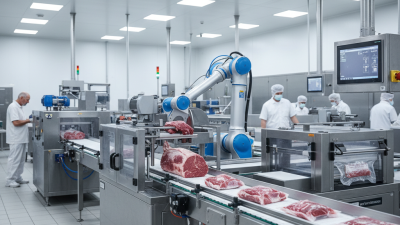
The focus on innovation has led to improved efficiency in meat processing. Advanced technologies, such as automated cutting and packing systems, are increasingly common. Reports indicate that automation can boost productivity by up to 30%. However, challenges persist. Some manufacturers struggle with adhering to international quality standards. Compliance issues can hinder export opportunities, requiring ongoing improvements and training.
Sustainability is another growing concern. The industry faces pressure to adopt environmentally friendly practices. This includes reducing waste and energy consumption. Data suggests that nearly 40% of meat industry players plan to invest in green technologies over the next few years. As the industry matures, balancing growth with sustainability will be essential.
Key Types of Meat Machinery Produced in China
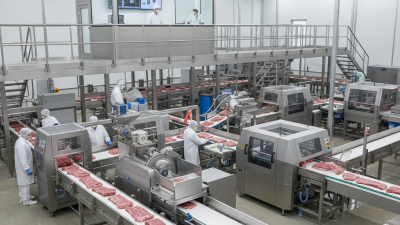
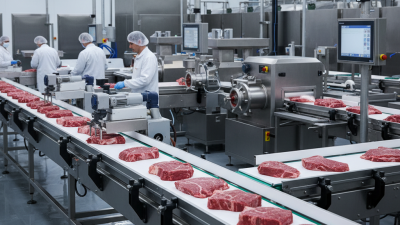
China is renowned for its diverse range of meat machinery, which caters to both local and international markets. One key category is meat processing equipment. This includes machines for cutting, grinding, and mincing meat. These devices streamline production and improve efficiency. Reliability in this machinery is crucial for maintaining meat quality.
Another vital type is packaging machinery. In a world where food safety is paramount, proper packaging is non-negotiable. These machines ensure that meat products remain fresh during transport. They also help in compliance with health regulations. Additionally, there are machines that handle freezing and chilling. These are essential to prevent spoilage, particularly for global distribution.
While China produces high-quality machinery, there are challenges. Some buyers report variability in production standards. Ensuring that machinery meets specific requirements can be difficult. Thorough research and vetting suppliers are important. Understanding the differences in equipment specifications can lead to better purchasing decisions. Investing time in this process can pay off significantly.
Top Manufacturers and Suppliers of Meat Machinery
The global meat machinery market is witnessing significant growth, driven by increasing demand for processed meat. According to a recent industry report, the market is expected to reach USD 14 billion by 2027, growing at a compound annual growth rate (CAGR) of 5.2%. Chinese manufacturers are strategically positioned to cater to this demand.
Leading suppliers in China offer a wide range of meat processing equipment, including cutting machines, mixers, and packaging solutions. These machines are not only efficient but also designed to meet international standards. Data indicates that over 70% of meat processing companies are investing in automation to enhance production efficiency. However, the challenge lies in ensuring these machines are tailored for diverse meat types and regional processing requirements.
Moreover, the focus on quality control and food safety remains paramount. Many manufacturers are adapting to stricter regulations and buyer expectations. This can sometimes lead to increased costs and longer development times. Enhancing the reliability of machinery involves substantial investment in research and development. As the market evolves, continuous feedback from users becomes essential for improving these technologies.
Export Trends and Markets for Chinese Meat Machinery
Chinese meat machinery is gaining traction in global markets. Export trends show a rising demand for efficient, innovative solutions. These machines range from advanced cutting tools to automated processing lines, appealing to diverse buyers seeking quality and reliability.
When investing, consider the machinery's adaptability. Many producers offer customizable options, allowing modifications to suit specific needs. Moreover, technology integration is a critical factor. Machines with smart features can enhance productivity and ensure better safety standards.
Engaging with suppliers directly is beneficial. This approach fosters trust and allows negotiation on terms and pricing. Be cautious about certifications; reliable equipment should meet international safety and quality standards. Researching potential suppliers can unveil their market reputation, which is crucial for informed decisions.
Top Meat Machinery from China for Global Buyers
| Machine Type |
Export Volume (Units) |
Main Export Markets |
Growth Rate (2022-2023) |
| Meat Processing Machine |
15,000 |
USA, Europe, Southeast Asia |
10% |
| Packaging Machine |
10,500 |
Latin America, Africa |
8% |
| Cutting Machine |
12,000 |
Middle East, South Asia |
12% |
| Stuffing Machine |
8,000 |
Europe, North America |
15% |
| Freezing Machine |
5,500 |
Asia-Pacific, Africa |
9% |
Innovations and Technologies in China's Meat Processing Equipment
China's meat processing equipment is undergoing rapid innovation. Manufacturers are introducing advanced technologies that enhance efficiency and yield. For instance, smart automation and IoT integration in meat processing lines allow real-time monitoring. This drives better quality control and reduces waste significantly.
Another notable trend is the development of environmentally friendly packaging solutions. Many companies are prioritizing sustainability in their packaging processes. Biodegradable materials are becoming more popular. These innovations not only meet consumer demands but also comply with global environmental standards.
While the advancements are impressive, challenges remain. Many smaller companies struggle to keep pace with the latest technologies. Additionally, the market can sometimes be saturated with similar solutions, which makes differentiation hard. Thus, ensuring reliable sourcing and maintaining a competitive edge can lead to uncertainty. Continuous improvement and adaptability will be key for success in this dynamic industry.
Top Meat Machinery Innovations in China