Top Millet Color Sorter Machines for Global Buyers in 2026?
In 2026, the demand for high-quality Millet color sorter machines is expected to surge. These machines are crucial for ensuring the purity and quality of millet grains. Global buyers are seeking reliable solutions to improve their processing efficiency. A good millet color sorter can significantly reduce impurities, ensuring only the best grains reach the market.
Many buyers face challenges in choosing the right millet color sorter. Factors like technology, cost, and maintenance play a critical role. Some machines excel in speed but may lack accuracy. Others are precise but may be too costly for smaller processors. Understanding these trade-offs is essential for making informed decisions.
There are notable brands that have established authority in this field. Their machines are built on years of research and practical application. However, not all machines are perfect. Some may require frequent adjustments, leading to downtime. As buyers consider their options, they must weigh reliability against performance. This balance will ultimately shape the future of millet processing worldwide.
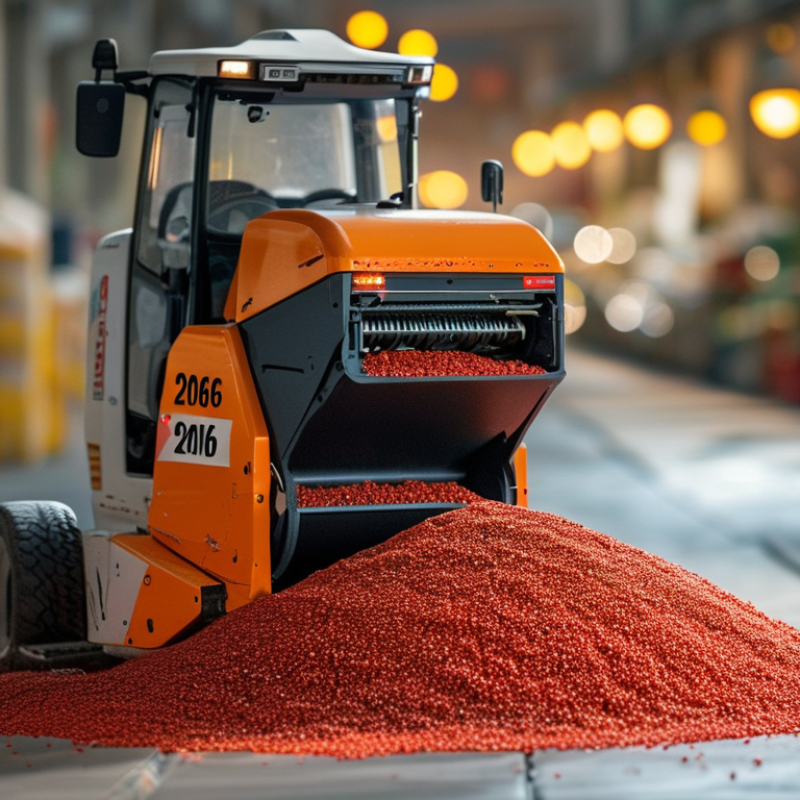
Top Millet Color Sorter Machines in 2026: Industry Overview
Millet is gaining significance in global markets. The demand for millet color sorter machines continues to grow. By 2026, the market is projected to expand significantly, driven by rising health-conscious consumers. Increased investments in agricultural technology also bolster this growth.
The global millet color sorter machine market is experiencing rapid advancements in technology. Reports indicate that by 2026, the market size could exceed USD 300 million. This growth stems from a rising need for quality assurance in food production. Innovations, such as AI-driven sorting technology, enhance efficiency. However, the cost of these machines may deter small-scale farmers. This indicates a need for affordable options in the sector.
Data shows the complexity of this industry. Diverse millet varieties require different sorting parameters. Missteps in calibration can lead to subpar quality. Such challenges highlight the importance of expert knowledge in machine operation. Training and support will be essential as technology evolves.
Key Features and Technologies in Millet Color Sorting Machines
Millet color sorting machines play a crucial role in the grain processing industry. They ensure high-quality millet by precisely separating grains based on color. Modern machines incorporate advanced technologies, enhancing both efficiency and accuracy.
Key features often include high-resolution cameras and sophisticated software. These components allow for real-time analysis of millet color variations. Operators appreciate the intuitive interfaces that simplify adjustments. However, the learning curve can be steeper than expected for new users.
Here are some tips for selecting the right machine. Assess your production volume. A machine suited for small batches may not meet the demands of larger operations. Check for flexibility in settings. Machines should accommodate different millet varieties. Regular maintenance is essential to maximize lifespan.
Investing in a millet color sorter can seem daunting. Understand the costs involved and the necessary training for your team. It's not just a purchase; it’s a long-term commitment. Experience shows that informed decisions lead to better returns.
Market Dynamics: Demand for Millet Processing Equipment Globally
The global demand for millet processing equipment is on the rise. Recent reports indicate a compound annual growth rate (CAGR) of 5.4% for the millet market from 2021 to 2026. This growth reflects increasing consumer interest in healthy food options. Countries in Asia and Africa are leading this trend, primarily due to the nutritional benefits of millet. More buyers are seeking efficient processing solutions to meet this demand.
Millet color sorter machines play a crucial role. They enhance the quality and appearance of millet, ensuring that only the best products reach consumers. Efficient sorting contributes to reduced waste and improved marketability. According to industry analytics, the use of advanced sorting technology can improve processing efficiency by up to 30%. However, not all processors are adopting this technology. Some still rely on outdated methods, leading to inconsistencies in product quality.
Investments in millet processing equipment are imperative. Producers must focus on equipment that maximizes yield and minimizes loss. Reports reveal that about 25% of potential yield is lost during processing without modern equipment. This gap presents an opportunity to educate processors about the benefits of upgrading their systems. The urgency to address these challenges is clear as global competition intensifies in the healthy grains market.
Leading Manufacturers and Their Market Shares in 2026
In 2026, the global market for millet color sorter machines is on the rise. Several leading manufacturers are shaping this vital industry. Their innovative technology enhances sorting efficiency, crucial for quality control in food production. Accurate sorting ensures that only the best millet reaches consumers. This is essential in an age where quality affects market competitiveness.
Market shares reveal a diverse landscape. Some manufacturers dominate with advanced features, while others focus on cost efficiency. Many companies prioritize sustainability as a key feature, aiming to reduce waste in processing. However, not all brands have successfully implemented these values. There’s still room for improvement in machine adaptability and energy consumption.
Buyers face challenges in selecting suitable machines. The variety of technology can be overwhelming. Each manufacturer presents unique strengths and weaknesses. It is vital to consider performance, reliability, and after-sales support. Research shows that many buyers overlook these critical factors. Investing time to understand these elements can lead to better purchasing decisions.
Future Trends: Innovations in Millet Color Sorting Technology
As the demand for millet continues to rise, so does the need for effective sorting technology. Innovations in millet color sorting machines are expected to reshape the industry in the coming years. Advanced sensors and imaging technology will enhance the accuracy of sorting. This leads to better quality control and a higher market value for millet. Buyers should stay informed about these advancements to make smart choices.
One notable trend is the integration of artificial intelligence (AI) in sorting machines. AI can learn from previous sorting data. This allows machines to adapt to different millet varieties and improve efficiency. The result is a significant reduction in waste and increased profitability for producers.
Tips: Regular maintenance of sorting machines can prevent costly breakdowns. When purchasing technology, consider the compatibility with existing equipment. Training staff on new systems is crucial for maximizing effectiveness. Adapting to new trends can be challenging but necessary for long-term growth. Investing in innovative solutions can pay off in the fluctuating market.