Why is Jelly Candy So Popular Among Consumers Worldwide?
Jelly Candy enjoys immense popularity worldwide for various reasons. Its vibrant colors and unique textures captivate consumers of all ages. This enticing treat has become a staple at celebrations and everyday moments alike. People crave the delightful burst of flavors that Jelly Candy offers, making it a go-to choice for both children and adults.
The growing trend towards innovative flavors and shapes also drives Jelly Candy's appeal. Manufacturers continuously experiment, creating a wide range of options that keep consumers returning for more. Nostalgia plays a key role too; many adults fondly remember enjoying jelly treats in their childhood, fostering an emotional connection.
Despite its popularity, it's crucial to reflect on the sugar content and health implications of consuming Jelly Candy. While it brings joy, moderation is essential. As consumers become more health-conscious, the candy industry faces pressure to adapt. Overall, Jelly Candy's success mirrors a complex balance of enjoyment, nostalgia, and the need for healthier alternatives.
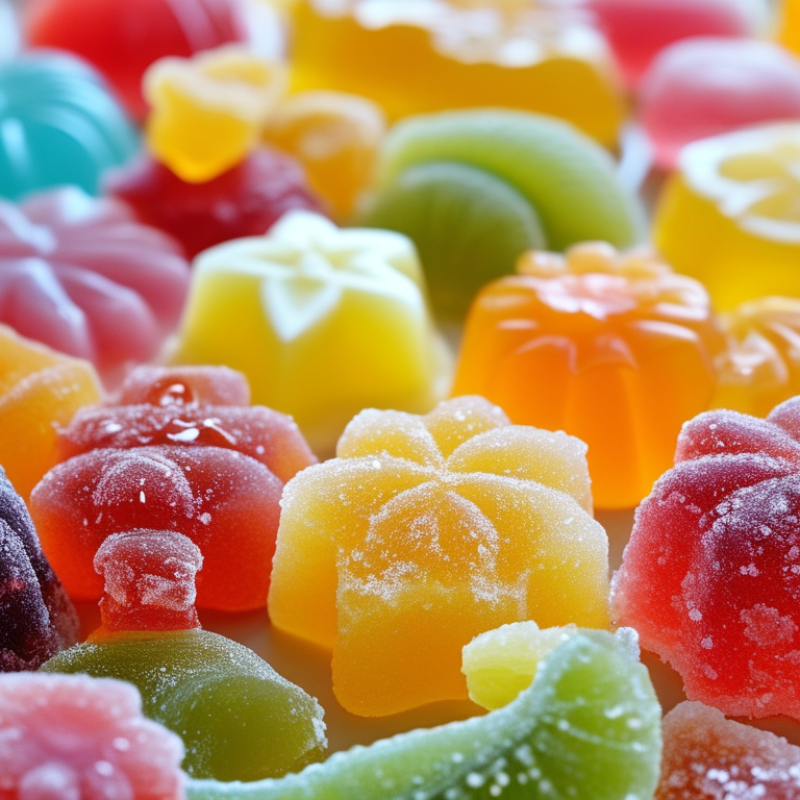
Popularity of Jelly Candy Across Different Cultures
Jelly candy has captured hearts worldwide. Its bright colors and chewy texture appeal to many. In Asia, for example, jelly candy often features unique flavors like lychee or matcha. These distinct tastes reflect local culinary traditions. Children and adults alike enjoy sharing these treats during festivals and celebrations.
In Western cultures, jelly candies come in varied shapes and forms. Popular options include gummy bears and fruit slices. These candies often evoke nostalgia in adults, recalling childhood memories. This emotional connection enhances their appeal. However, it’s interesting to note that not everyone appreciates jelly candies equally. Some people dislike the texture or the sugary taste.
Cultural influences shape consumer preferences. In some regions, jelly candies serve as party favors or gifts. In others, they are sought after as personal treats. This diversity in usage shows how jelly candy adapts to different lifestyles. Yet, it raises questions about health impacts. For instance, how do high sugar levels affect consumers' choices? As more people seek healthier alternatives, the jelly candy industry faces a challenge. Exploring this balance between enjoying treats and promoting health remains a topic of discussion.
Key Ingredients Contributing to the Flavor and Texture of Jelly Candy
Jelly candy has seen a significant rise in popularity across the globe. Its unique flavor and texture come from key ingredients that create a delightful experience for consumers. The primary ingredient, gelatin, gives jelly candy its chewy and bouncy texture. This protein, derived from animal collagen, is responsible for the jelly's signature mouthfeel. Vegans often opt for pectin or agar-agar, which replicate the original texture while catering to dietary preferences.
Sugar is another crucial element. It not only provides sweetness but also contributes to the preservation of jelly candies. The balance of sugar is critical; too much can overwhelm the flavor. Acids, such as citric acid, enhance the tartness, invigorating the overall taste profile. The vibrancy of flavors in jelly candies often stems from natural or artificial fruit flavorings. These give each candy its distinct taste, appealing to diverse palates.
The vibrant colors of jelly candy attract consumers. However, not all food coloring is natural, raising concerns about health effects. An over-reliance on artificial ingredients can be a problem consumers may reflect on when choosing jelly candies. Understanding the ingredients allows consumers to make informed choices. The sensory experience of enjoying jelly candy is an enticing factor, yet it’s essential to consider the broader implications of these ingredients on overall health.
The Role of Marketing and Branding in Jelly Candy's Success
The marketing strategies behind jelly candy have played a significant role in its global appeal. Bright colors, attractive packaging, and engaging advertising campaigns draw consumers in. According to a recent market report, the global gummy candy market is expected to reach $15 billion by 2025, showcasing the effectiveness of these methods. Brands often target specific demographics through social media platforms, enhancing brand loyalty and consumer interaction.
The branding elements are also crucial. Many companies highlight quality ingredients and unique flavors, aiming to differentiate themselves. Research shows that products with clear, transparent labeling see 20% higher purchase rates. This approach builds trust between consumers and brands. However, the overemphasis on novelty can lead to consumer fatigue. Shifting trends may challenge brands to innovate continually, keeping consumer interest alive.
Social media influencers also contribute to the marketing mix, promoting jelly candy as a fun treat. Their endorsement can drive sales, but this strategy can be risky. Brands must align themselves with the right influencers. A misalignment may lead to negative perceptions. Thus, while branding and marketing are essential, brands must maintain authenticity to sustain consumer interest.
Popularity of Jelly Candy Worldwide
Health Trends: Consumer Perceptions of Jelly Candy and Its Alternatives
Jelly candy has captured global consumer attention. Health trends show an increasing awareness regarding sugar intake and artificial ingredients. According to a recent report from the International Confectionery Association, 54% of consumers are seeking healthier options. This trend has led to a growing interest in jelly candy alternatives, which claim to offer lower sugar content or natural flavors.
Despite its popularity, jelly candy isn’t without criticism. Many consumers are concerned about its high sugar levels. A study from the Food Institute found that 68% of participants consider sugar content a significant factor when choosing snacks. Health-conscious shoppers are turning towards organic or sugar-free variants. Interestingly, some jelly candy consumers still enjoy the product despite these concerns. It's a complex relationship with a sweet treat that brings both joy and guilt.
Additionally, consumer perceptions vary widely. While many enjoy the texture and variety of flavors, some see jelly candy as a source of empty calories. The Snacking Trends report reveals that 47% of consumers want healthier snacking options. Yet, jelly candy remains popular, reflecting a tension between indulgence and health. Balancing enjoyment and well-being continues to be a challenge for many shoppers.
Innovations and Varieties: The Evolution of Jelly Candy Products
Jelly candy has taken on various forms, evolving to cater to diverse consumer tastes. The candy industry excels in introducing new flavors and textures. From classic fruit flavors to exotic combinations, there’s something for everyone. New innovations, such as vegan or sugar-free options, allow a wider audience to enjoy these treats.
The design of jelly candies has also transformed. Colorful shapes and appealing packaging attract not just children but adults too. Some companies focus on nostalgic designs, invoking memories of childhood. Others experiment with unusual textures, like crunchy or liquid-filled jelly candies. These innovations create excitement and a fresh experience for consumers.
While it's exciting to see these developments, questions about health arise. The high sugar content in many jelly candies is a concern for health-conscious buyers. Additionally, artificial ingredients can be a drawback for some. As the market grows, manufacturers must find a balance between taste, innovation, and health.