What is Bakery Machinery and How to Choose the Right Equipment?
The bakery industry has experienced significant growth, with the global market expected to reach $600 billion by 2025. This rise emphasizes the importance of selecting the right bakery machinery. Proper equipment not only enhances productivity but also ensures consistent product quality. However, with a vast array of options available, choosing the appropriate machinery can be daunting.
Investing in the right bakery machinery is crucial for operational efficiency. For instance, automated mixers and ovens can improve consistency and reduce labor costs. Yet, many businesses struggle to find equipment that meets their unique needs. Understanding the specific requirements of your bakery is essential to avoid costly mistakes.
Moreover, considering reliability and maintenance is key. A high-quality machine should minimize downtime and ensure smooth operations. Many bakery owners overlook the long-term implications of their equipment choices. Reflecting on these factors is vital for sustainable success in the competitive bakery landscape.
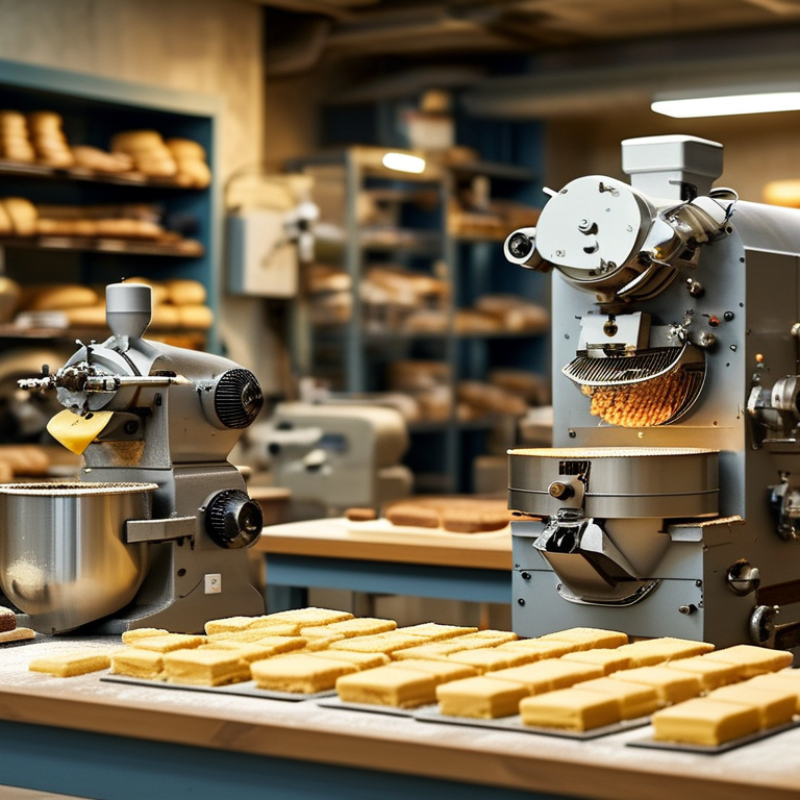
What is Bakery Machinery: An Overview of Essential Equipment
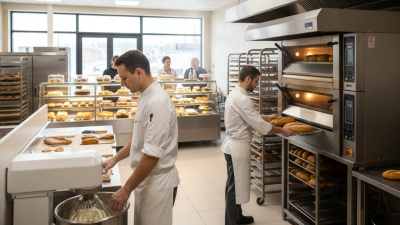
Bakery machinery encompasses a variety of essential equipment designed to streamline production processes. From mixers to ovens, each piece serves a unique function. For instance, a good mixer ensures that dough is uniformly blended, which is crucial for texture and taste. Ovens, like deck or convection types, provide consistent baking temperatures, affecting the final product’s quality.
When selecting bakery equipment, one must consider several factors. Is the machinery suitable for the type of baked goods you want to produce? Capacity is another key point. A small bakery might not need heavy-duty machines, while a larger operation requires robust equipment. Understanding the scale of your business will help you make informed choices.
However, not all equipment is perfect. Maintenance can be a significant concern. Equipment can break down, leading to production delays. This aspect requires careful planning and regular assessment to ensure efficiency. Researching user reviews and seeking insights from industry experts can help mitigate these risks. Balancing quality and cost is crucial in achieving long-term success in the bakery business.
Types of Bakery Machinery: An In-Depth Look at Common Equipment
When exploring bakery machinery, it’s essential to understand the various types available. Ovens are a key component; they come in different forms, such as convection and deck ovens. A convection oven circulates hot air, ensuring even baking. Deck ovens provide direct heat from below, delivering a crispy crust. The choice between them often depends on the type of products you plan to bake.
Mixers also play a significant role in the bakery process. Spiral mixers are efficient for doughs, while planetary mixers offer versatility for smaller batches. The size and capacity of the mixer should match your production needs. Consider how often you plan to operate the machinery. Maintenance requirements are crucial as well; some models demand more frequent servicing than others.
Additionally, proofers and sheeters are vital for specific tasks. Proofers create a controlled environment for dough rising. Sheeters help in rolling out dough to desired thickness. The choice of these machines can influence product quality and preparation efficiency. It’s important to assess your unique needs and the space available in your bakery. Each piece of equipment should enhance your workflow while fitting seamlessly into your production line.
Key Factors to Consider When Choosing Bakery Equipment
When selecting bakery equipment, several key factors come into play. The type of products you plan to bake is crucial. Different machinery suits various recipes and processes. According to a report by the International Bakery Association, the demand for specialty bakery goods has increased by 20% over the past five years. This trend suggests that versatility in equipment can be beneficial.
Space and layout are important too. Consider the dimensions of the machinery. Efficient use of space can enhance workflow, impacting production rates. Investing in compact machines can save costs without sacrificing productivity. However, don’t overlook the importance of energy efficiency, as it can greatly affect operating costs. Research shows that energy-efficient machines can reduce energy consumption by over 30%.
Maintenance and reliability can't be ignored. Opt for equipment that is easy to clean and maintain. A machine that frequently breaks down can halt production and lead to losses. Seek models with good warranties to ensure long-term reliability. Understanding these aspects can lead to better investment choices and enhanced bakery operations.
Industry Trends: Automation and Technology in Bakery Machinery
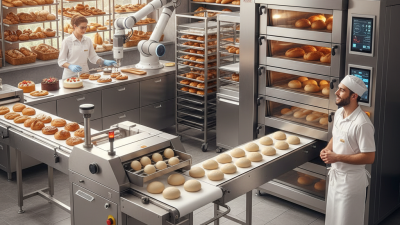
The bakery industry has increasingly embraced automation and advanced technology. The integration of these innovations enhances efficiency and consistency in production. Many bakeries now utilize automated dough mixers and programmable ovens, which streamline processes and reduce human error. This shift allows bakers to focus more on creativity and product development.
However, relying heavily on technology can pose challenges. Not all equipment is user-friendly, requiring specialized training. Additionally, maintenance can become complex and costly. Balancing automation with traditional methods remains crucial. Successful bakeries analyze their needs carefully before investing in high-tech solutions.
Trends show that even small artisanal bakeries are adopting these advancements. While automation improves productivity, personal touch in food-making is still vital. Customers appreciate authenticity and craftsmanship. A thoughtful approach, combining automated equipment with skilled labor, often yields the best results. Continuous reflection on the equipment’s impact is essential, ensuring both efficiency and quality are maintained.
What is Bakery Machinery and How to Choose the Right Equipment? - Industry Trends: Automation and Technology in Bakery Machinery
| Machine Type |
Description |
Key Features |
Typical Uses |
| Dough Mixer |
Used to mix ingredients uniformly to produce dough. |
Variable speed, multiple bowl capacities, planetary action. |
Breads, pastries, and pizza dough. |
| Proofing Cabinet |
Controls temperature and humidity to help dough rise. |
Temperature control, humidity settings, adjustable racks. |
Fermentation of bread, rolls, and other dough-based products. |
| Baking Oven |
Oven specifically designed for baking various types of products. |
Convection heat, steam injection, programmable settings. |
Breads, cakes, pastries, cookies. |
| Cooling Tunnel |
Used to cool freshly baked items quickly. |
Airflow control, adjustable speed, stainless steel construction. |
Cakes, breads, and other baked goods after baking. |
| Slicer |
Cuts breads and other products into uniform slices. |
Adjustable thickness, safety features, easy to clean. |
Breads, bagels, and loaf cakes. |
Cost Analysis: Budgeting for Bakery Machinery Investments
Investing in bakery machinery requires careful budgeting. The costs vary significantly depending on the type of equipment and its capabilities. According to the Bakery Equipment Manufacturer's Association, bakers might spend between $25,000 to $150,000 initially on machinery. This range reflects the scale of the bakery and the complexity of the machinery used.
Labor costs can also influence budget decisions. A study by IBISWorld reported that labor constitutes about 30% of a bakery’s operational expenses. Choosing machinery that automates tasks can reduce labor needs over time. Equipment like mixers or ovens must balance upfront costs against long-term savings. This can be a tricky area for many bakery owners. Oftentimes, cheaper equipment may lead to higher maintenance costs later.
Another consideration is energy efficiency. The U.S. Department of Energy highlights that energy-efficient machines can cut utility bills by over 20%. This can significantly impact yearly expenses. However, these machines tend to have higher initial costs. The decision becomes a complex trade-off, requiring careful planning and analysis of future growth. Reflecting on these factors can lead to more informed choices in equipment purchases.
Bakery Machinery Investment Cost Analysis