Who Are the Best Bakery Packaging Equipment Suppliers in China?
Choosing the right bakery packaging equipment supplier in China can shape product quality, line efficiency, and maintenance costs for years. Yet “best” depends on what a bakery actually produces. A small pastry shop has different needs from a high-volume bread plant.
A packaging line may handle sliced loaves, delicate cakes, frozen dough, or assorted pastries. It might include a flow wrapper, tray loader, cartoner, or case packer. Small differences matter: a sealing jaw that runs too hot can mark a soft package, while an awkward changeover can slow production between product sizes. Details matter.
A sound comparison looks beyond catalog photos and headline prices. Buyers can ask for a live demonstration using their own product, sample packages, and target production speeds. Ask about changeover time, spare-parts availability, operator training, and response times for service. These are practical questions, not paperwork.
Factory visits, customer references, and documented test results can help verify a supplier’s claims. Confirm that machine specifications and any required certifications match the intended market and application. Do not assume every supplier offers the same support after installation.
There are limits. Published performance figures may reflect ideal test conditions, and supplier information can change. This guide examines how to compare bakery packaging equipment suppliers in China by product fit, engineering capability, quality controls, and after-sales support. No checklist replaces a careful trial. A little healthy doubt helps.
Types of Bakery Packaging Equipment Used in China
Bakery packaging lines in China typically combine several machine types, chosen by product shape, output, and shelf-life needs.
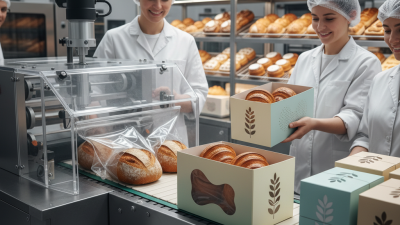
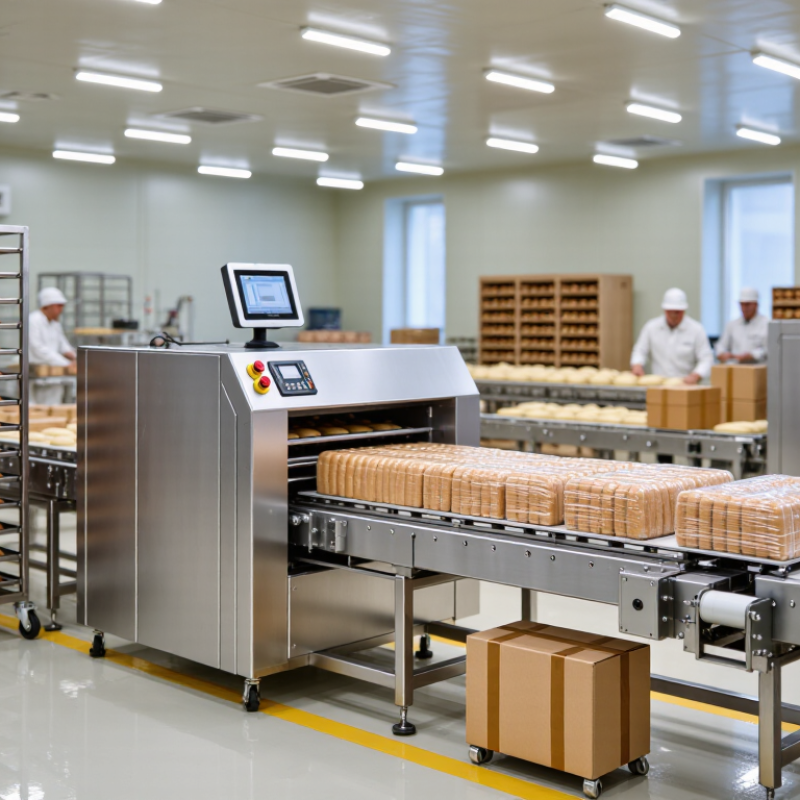
Horizontal flow wrappers pack cooled bread rolls, biscuits, and mooncakes in pillow-shaped film packs. Operators watch for crumbs at the sealing jaws; even a small buildup can weaken seals. Vertical form-fill-seal machines suit loose products, such as cookies or rusks. Tray sealers and thermoform-fill-seal machines handle delicate cakes and pastries that need firmer support. Small bakeries may use semi-automatic equipment, while larger plants often connect conveyors, loaders, and case packers.
End-of-line equipment matters too.
Cartoners group retail packs, case erectors prepare shipping boxes, and checkweighers flag underweight packs. Metal detectors and date coders add practical quality-control steps. FAO’s 2019 report, The State of Food and Agriculture, estimated that 14% of food is lost between post-harvest and retail worldwide. This is not a bakery-specific figure, but it highlights why sound seals and clear date codes matter. Modified-atmosphere packaging can help protect freshness, though results depend on the recipe, film, and seal quality. Faster is not always better. A line that handles soft sponge cakes gently may outperform a higher-speed system that causes damage.
Key Criteria for Evaluating Bakery Equipment Suppliers
When comparing bakery packaging equipment suppliers in China, judge performance on your own product, not a showroom sample. Request a trial using your dough, film, and target pack size. Record actual packs per minute, reject rate, seal consistency, and changeover time. A neat demonstration proves little. Ask for results across several shifts, not only a short run.
Reliability also depends on cleaning access, operator safety, and spare-parts support. Check whether belts, guards, and sealing jaws can be inspected without awkward disassembly. Ask for a written service response time and a parts list with lead times. The UNEP Food Waste Index Report 2024 estimated 1.05 billion tonnes of food waste in 2022, about 19% of food available to consumers. That figure covers households, food service, and retail—not bakery machines alone—but it underlines why damaged packs and avoidable rejects deserve attention.
Review technical documents before paying a deposit: electrical drawings, operating manuals, maintenance schedules, and acceptance-test criteria. Request references from bakeries running comparable products and shifts. Verify what installation and training include. A low quotation can hide costly exclusions. I would still allow room for doubt: supplier references may not match your local flour, humidity, or staffing conditions. Test those conditions yourself.
Leading Chinese Suppliers and Their Areas of Expertise
Chinese bakery packaging suppliers tend to specialize in distinct stages rather than excel at every machine. Some focus on dough handling, dividing, and forming; others build ovens, cooling conveyors, or flow-wrapping lines. Packaging-focused manufacturers may offer bagging, carton loading, and end-of-line systems. Match the supplier’s proven equipment to your product, whether it is a soft roll, sliced loaf, or sticky pastry.
Allied Market Research estimated the global bakery processing equipment market at US$11.6 billion in 2021 and forecast US$19.8 billion by 2031. This broader equipment category is not a measure of Chinese packaging suppliers alone, but it signals sustained investment in bakery production. Ask for test runs using your actual products and film. Watch for crushed buns, uneven seals, and crumbs near sealing jaws. Small details matter.
A capable supplier should explain changeover time, cleaning access, spare-part availability, and line speed under realistic conditions. Request operating data, not just catalogue figures. A fast machine on an empty line proves little. Supplier claims can also be awkwardly optimistic; verify them with sample trials and clear acceptance criteria before ordering.
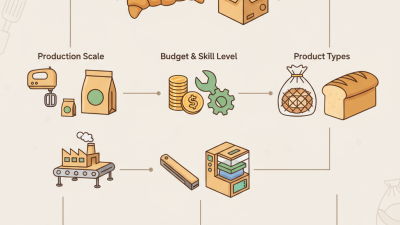
Typical Bakery Packaging Line: Equipment Expertise by Stage
This chart shows the usual order of equipment functions in a bakery packaging line—not supplier rankings or performance figures. Actual line layouts vary by product and packaging format.
Comparing Product Quality, Certifications, and After-Sales Support
Who Are the Best Bakery Packaging Equipment Suppliers in China?
Comparing Product Quality, Certifications, and After-Sales Support
Choosing a bakery packaging equipment supplier takes more than comparing prices. Inspect welds, guards, and contact surfaces for clean finishing. Ask for sample runs using your own bags, products, and target speed. A machine that handles warm rolls may behave differently from one handling chilled pastries. Check whether the supplier can document material specifications, electrical components, and relevant quality certifications. A certificate is useful, but it does not replace a production test.
Tips: Request a written test report. Confirm what the warranty covers. Ask for spare-part lead times.
After-sales support can matter most when a sealing jaw fails during a busy shift. Ask how technicians diagnose faults, what remote support includes, and whether manuals are available in clear English. Check the response process, not only the promise of fast service. Spare heaters, belts, and sensors should have identifiable part numbers. A polished showroom can still hide gaps in routine maintenance support. I might overvalue a smooth demonstration; it is better to test changeovers and cleaning with your own operators. Compare suppliers using the same checklist, and keep claims tied to records you can verify.
How to Select a Supplier for Your Production Requirements
Selecting a bakery packaging equipment supplier starts with your products and production conditions, not a catalogue. List loaf dimensions, target output per minute, packaging material, and available floor space. Ask for a trial with your actual products, including warm loaves that release moisture. During a sustained run, check seal consistency, changeover time, and rejected packs. Small details matter.
Request layout drawings, utility requirements, a spare-parts list, and a realistic installation schedule. Confirm that operators can clear jams and adjust guides without specialist tools. Ask for references from bakeries with similar products and shift patterns. Then speak directly with maintenance staff about service response and recurring faults. Test it live.
Compare operating fit, not just purchase price. Check cleaning access, guarding, and whether flour dust gathers around sensors. A machine may perform well in a showroom but struggle near a hot oven. A checklist can still miss changeover complexity, which is easy to underestimate. Ask what commissioning excludes and who trains each shift. If the supplier cannot explain the machine’s limits plainly, pause and clarify them before choosing.