How to Choose the Right Forming Equipment for Your Business
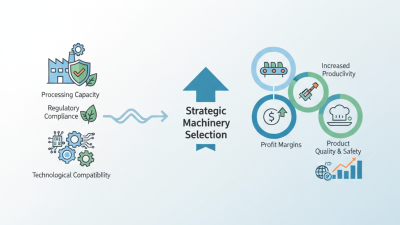
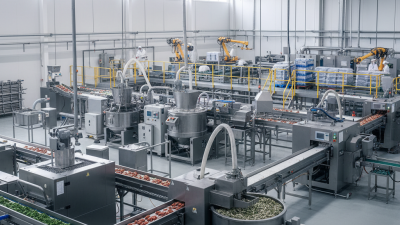
Choosing forming equipment for a business is less about buying the largest machine and more about matching its capabilities to real production needs. The right system should handle your materials, part dimensions, tolerances, and expected output without creating unnecessary cost or complexity. A compact press may suit short runs of sheet-metal brackets, while a continuous line may be more practical for high-volume profiles. The difference becomes clear on the shop floor.
Start by documenting the parts you make, including material thickness, bend depth, and required finish. Consider tooling changes, setup time, operator training, maintenance access, and available floor space. These details matter. A machine that meets today’s requirements may struggle if product sizes or order volumes change. Review supplier specifications carefully, and ask how stated capacity was tested. Request a demonstration using material and tooling similar to yours when possible.
Compare the full operating picture, not only the purchase price. Energy use, tooling, service availability, and expected downtime all affect long-term value. Talk with operators and maintenance staff; they often notice practical constraints that a spreadsheet misses. Even experienced teams can misjudge future demand. That estimate may need revision. Choosing equipment is rarely perfect on the first pass, so document your assumptions and revisit them as production data accumulates. A measured selection process helps narrow the options and supports a more reliable investment decision.
Define Your Production Requirements and Output Goals
How to Choose the Right Forming Equipment for Your Business
Define Your Production Requirements and Output Goals
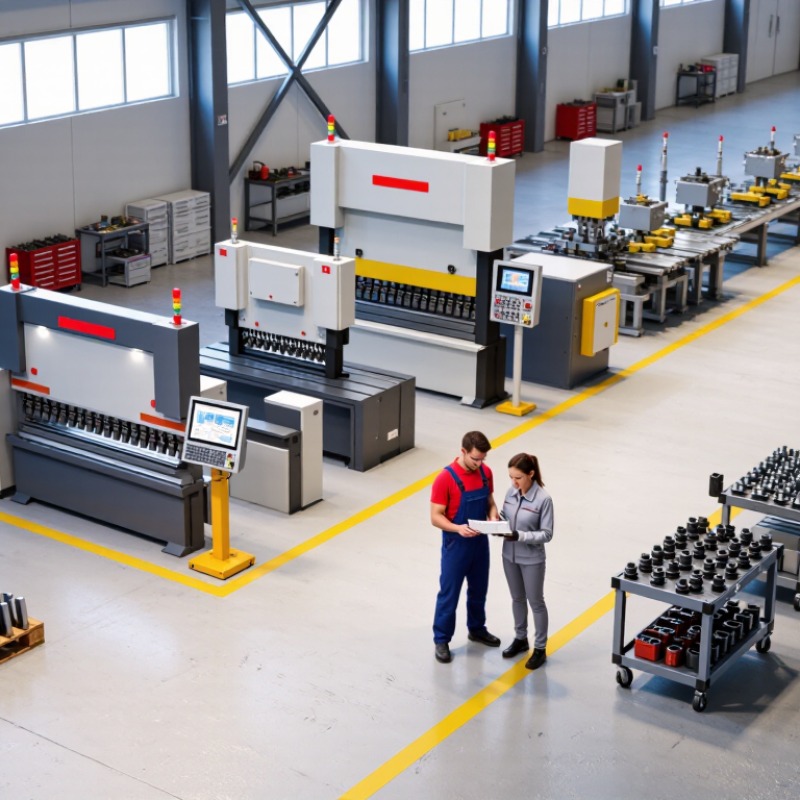
Start with the part, not the machine. Record the material, thickness, dimensions, tolerances, and finish each product needs. Then estimate good parts per hour, not just the ideal cycle time. A press rated for a fast stroke may still miss your target after loading, tool changes, inspection, and routine stoppages. Be specific. Include expected shifts, batch sizes, and seasonal peaks. A small trial run can expose assumptions that look convincing in a spreadsheet.
Capacity must also fit the people and process around the equipment. Deloitte and the Manufacturing Institute projected that U.S. manufacturing could need 3.8 million workers by 2033, with 1.9 million jobs potentially unfilled. That workforce outlook makes staffing, training time, and ease of operation practical selection criteria—not afterthoughts. Ask how many operators each shift requires, how long changeovers take, and how often adjustments depend on one experienced technician. The right output goal includes acceptable scrap and downtime, not merely maximum speed. Your first estimate may be wrong; compare it with production records, then revise it before specifying equipment.
Match Forming Processes to Materials and Product Designs
Choosing forming equipment starts with the material, not the machine’s advertised capacity. Sheet steel may suit stamping when a design needs repeatable holes and sharp bends. Long, consistent profiles often fit roll forming better. For thin plastic packaging, vacuum forming can create broad, shallow shapes with relatively simple tooling. The details matter.
Consider the part’s shape and the material’s behavior together. A tight corner can cause cracking in some metals, while uneven heating can leave plastic parts thin at the edges. Check the material’s thickness, flexibility, and temperature limits before comparing equipment. Then review tolerances, surface finish, and expected production volume. A machine that handles a large sheet may still be a poor fit for a small, intricate component.
Look closely at a sample part. The corner radius may seem minor. It can change the process. Ask suppliers for trial runs using the intended material, and inspect formed parts for wrinkles, springback, and thickness variation. One planning mistake is choosing equipment around today’s easiest product alone. Yet predicting every future design is difficult. Leave practical room for tooling changes, but avoid paying for capacity your operation cannot use. The right match is specific: material, geometry, quality needs, and production pace must work together.
How to Choose the Right Forming Equipment for Your Business
Match forming processes to materials and product designs by considering the force needed to shape each material.
Representative yield-strength values vary by grade, temper, and product form. Higher-strength materials generally require greater forming force, but press capacity also depends on sheet thickness, bend length, tooling, and the part design. Check the material specification and validate the process before selecting equipment.
Assess Total Costs, Maintenance, and Workplace Requirements
A forming machine’s purchase price is only the visible part of its cost. Compare tooling, installation, operator training, energy use, planned maintenance, and the cost of production downtime. The U.S. Department of Energy’s Operations and Maintenance Best Practices guide estimates that effective maintenance programs can reduce energy use by 5% to 20%. That range is broad, but it shows why motor efficiency, idle power, and access to service parts belong in the same cost model. Ask suppliers for maintenance intervals and typical replacement-part costs, then check those figures against your own shift patterns.
The floor matters too. Measure the machine, but also allow room for material loading, finished parts, maintenance access, and safe operator movement. Check foundation capacity, electrical supply, ventilation, noise, and how workpieces will move between stations. The Bureau of Labor Statistics reported a 2.8 total recordable injury and illness case rate per 100 full-time workers in manufacturing in 2023. That figure does not predict risk at one site, but it reinforces the need to assess guarding, access, and manual handling before purchase. Walk the proposed layout with operators and maintenance staff. They may spot a blocked service panel or awkward lift that a quotation misses. The spreadsheet will still miss something.
Verify Equipment Fit Through Testing and Supplier Evaluation
Test the forming line with your own material, tooling, and target tolerances before signing off. Record cycle time, scrap rate, changeover duration, and energy use across repeated runs. One clean sample proves little. Ask operators to load parts, clear a routine fault, and repeat the setup. Small frictions matter.
Deloitte’s 2024 Smart Manufacturing Survey found that 92% of manufacturers see smart manufacturing as a competitiveness driver over the next three years. Treat this as a reason to test controls and data links, not as proof that a connected machine will fit your plant. Ask suppliers for an acceptance-test plan, documented performance limits, service response times, spare-part lead times, and operator training details. Confirm the machine holds tolerance after warm-up, not only during a polished demonstration. A demo can mislead.
Tips: Use a one-page scorecard. Test the slowest product, a material change, and one realistic stoppage. Compare results with your production plan, then have a second shift repeat the trial. If assumptions remain, write them down; unresolved details are still risks.