How to Choose the Right Meat Equipment for Your Business
Choosing the right meat equipment can shape every part of a processing business. It affects product quality, worker safety, cleaning time, energy use, and daily output. A machine may appear impressive in a sales brochure, yet perform poorly beside a wet, crowded production line. The details matter.
Dr. Temple Grandin, a leading authority on animal handling and processing design, has said, “The objective should be to design facilities and equipment that make it easy for animals to move.” Her principle remains valuable when evaluating modern meat equipment. Good design should support controlled movement, consistent cutting, simple sanitation, and safe operator access. It should also match the real working environment, including floor space, drainage, temperature, staffing, and maintenance skills. A machine that fits the budget may still create expensive downtime.
Look closely.
Business owners should compare capacity, construction materials, blade systems, automation, spare parts, training, and service support. Stainless steel surfaces are useful, but they do not guarantee hygienic performance. Poor joints, hidden gaps, and difficult access points can make cleaning frustrating. Sometimes, the most advanced equipment is not the best choice. A smaller, reliable unit may serve a growing plant more effectively than an oversized system. That judgment requires practical testing, supplier verification, and honest review of production data. No selection is perfect. Conditions change, and equipment that works today may need adjustment tomorrow. This guide examines those decisions carefully, helping buyers choose meat equipment that supports dependable production rather than attractive promises.
Define Your Business’s Meat Processing Needs
How to Choose the Right Meat Equipment for Your Business
Define Your Business’s Meat Processing Needs
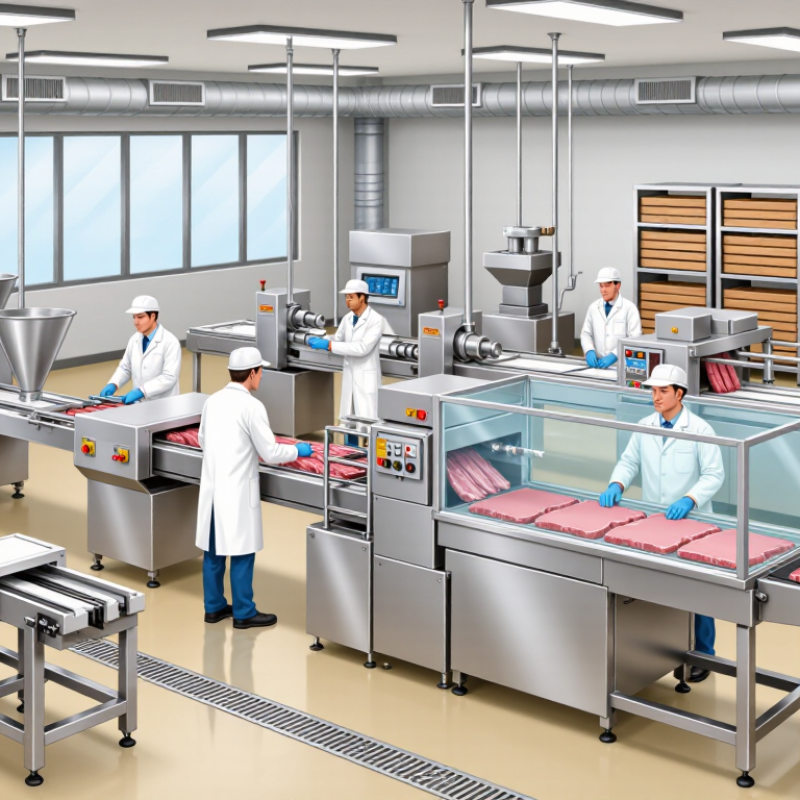
Choosing meat equipment starts with your daily workflow, not a glossy specification sheet. Measure how much meat you process during normal days and peak periods. Record product types, cut sizes, batch weights, and required output per hour. A small butcher shop may need flexible equipment, while a high-volume kitchen may need faster, continuous processing. Space matters. Measure doorways, drainage points, electrical capacity, ventilation, and cleaning areas before requesting quotations.
Think about who will use the equipment. Operators need clear controls, safe access, and simple adjustment procedures. Food-contact surfaces should be easy to inspect and sanitize. Check construction details, guard placement, emergency stops, noise levels, and cleaning instructions. Reliable technical documentation and available maintenance support can prevent costly interruptions. Do not choose capacity based only on future growth. I have seen oversized machines consume valuable space and remain underused. That decision can look impressive but weaken cash flow.
Tips: Track one week of production data before buying. Include trimming waste, changeover time, and cleaning time. Ask staff where delays occur. Test whether the equipment fits your real workflow, not an ideal one. Leave room for safe movement and routine servicing. A second review may reveal needs you missed. Safety training, inspection records, and documented cleaning procedures should become part of the purchase decision.
Compare Essential Meat Equipment Types and Functions
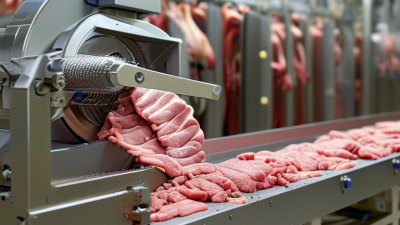
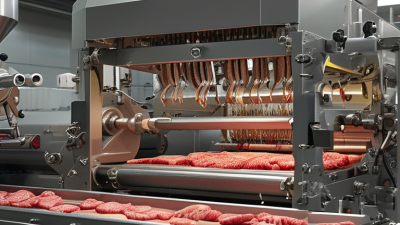
Choosing meat equipment begins with the product, batch size, and hygiene workflow. A band saw handles frozen portions, while a bowl cutter creates fine emulsions for sausages or pâtés. A grinder controls particle size, but its plates require careful inspection after every shift. Slicers improve portion consistency for retail packs. They also create more cleaning points. According to FAO’s State of Food and Agriculture 2019, about 14% of food is lost between harvest and retail, so accurate cutting and cold storage deserve equal attention.
Refrigeration equipment protects quality before processing begins. Blast chillers remove heat quickly, while display cases maintain stable temperatures during sales. Vacuum packers reduce air exposure and support longer storage, but packaging is not a substitute for temperature control. The USDA Food Safety and Inspection Service emphasizes process control, sanitation, and documented monitoring in meat operations. A thermometer at the machine outlet is useful. A second check inside the product is better.
Capacity numbers can mislead. A grinder rated for 1,000 kilograms per hour may perform poorly with warm, sinewy meat or frequent stoppages. Choose equipment that matches your real peak hour, not an optimistic estimate. I would test noise, cleaning time, operator reach, and water use before purchasing. The International Institute of Refrigeration reports that cold chains consume substantial energy worldwide, although exact impacts vary by system and region. That makes efficiency important, but easy-to-clean design should not be sacrificed for a lower power figure. Small details matter.
Evaluate Capacity, Workflow, and Space Requirements
Choosing meat equipment starts with your real production rhythm, not a catalog’s maximum rating. Measure peak hourly volume during busy days. A grinder rated for 500 kilograms daily may struggle with a concentrated morning rush. Record product types, batch sizes, and changeover time for one full week. Include trimming, weighing, packing, and cleaning. These tasks often consume more time than expected. Leave capacity headroom, but avoid buying for an imagined future. Idle equipment still costs money. For mixed products, calculate the slowest step. It controls the line.
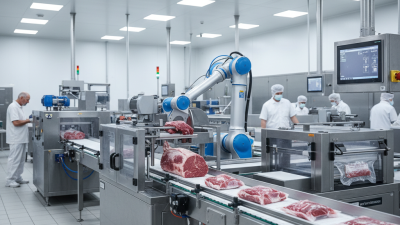
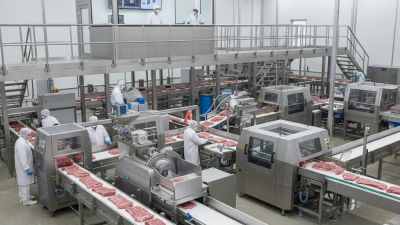
Map the workflow on paper, then walk it with operators. Raw material should move forward with minimal crossing. Place receiving, chilled storage, cutting, processing, packing, and dispatch in a logical sequence. Keep handwashing points and cleaning access unobstructed. A machine may fit on a floor plan yet block a door, drain, or trolley route. Measure ceiling height, doorway width, floor loading, and available electrical or water connections. Allow space for guards, maintenance, and safe operator movement. Noise and heat matter too. Measure twice. Even experienced planners can underestimate cleaning clearance. A layout may look efficient, yet daily access becomes awkward. Ask staff to test a taped floor outline before purchase. Their feedback may challenge your assumptions. Good decisions depend on measured capacity, observed workflow, and honest space limits.
How to Choose the Right Meat Equipment for Your Business
Required equipment capacity depends on daily production volume and the number of productive processing hours. The figures below assume six operating hours per day and show the minimum average throughput needed to complete production on schedule.
Planning guidance: Select equipment with additional capacity for peak demand, cleaning time, changeovers, and workflow interruptions. Confirm that the equipment footprint, clearance for operators, raw-to-ready product flow, utilities, and sanitation areas fit your available space before purchasing.
Check Safety, Sanitation, Durability, and Compliance
Choosing the right meat equipment starts with practical risk control. A busy cutting room quickly exposes weak design choices. Look for guarded blades, stable platforms, emergency stops, and clear controls. Operators need enough space to work without awkward reaching. Safety features should remain usable during cleaning, not become obstacles.
Sanitation deserves equal attention. Choose smooth, non-porous food-contact surfaces with minimal crevices. Welds should be even and easy to inspect. Removable guards and tool-free parts can shorten cleaning time. I have seen teams focus on speed and overlook trapped residue beneath seals. That mistake can become expensive. Ask staff to demonstrate a full cleaning routine before purchase. Their experience often reveals problems that brochures hide.
Durability affects both safety and operating costs. Inspect frames, bearings, seals, fasteners, and protective coatings. Equipment should tolerate repeated washing and heavy daily use. Compliance also requires evidence, not promises. Keep manuals, maintenance records, staff training logs, and inspection documents together. Requirements vary by location, so confirm details with the relevant food safety authority. A machine may appear compliant yet lack proper documentation. Review replacement-part access, service intervals, and warranty conditions carefully. I would also test the equipment under realistic workloads, because a quiet showroom rarely reflects a demanding production shift.
Calculate Costs, Maintenance, and Long-Term Value
How to Choose the Right Meat Equipment for Your Business
Choosing meat equipment begins with a complete cost picture, not the purchase price alone. In my experience, a low quote can hide installation, electrical upgrades, training, delivery, and water use. Measure daily cutting volume and peak hours. A machine sized for average demand may struggle during holiday orders. That delay costs labor and customer trust. Keep invoices, utility readings, and repair records from similar equipment when available. Real numbers beat assumptions.
Build a five-year estimate before approving the purchase. Add the initial price, installation, consumables, planned servicing, replacement parts, energy, cleaning labor, and downtime. Ask the supplier for service intervals and typical part prices in writing. Also ask how quickly qualified technicians can respond. A cheaper machine is not cheaper if one failed bearing stops production for two days. Calculate cost per usable kilogram, not cost per machine. This measure reveals value more clearly. Be careful with promised savings.
Maintenance details often decide long-term value. Look for removable guards, accessible lubrication points, clear temperature controls, and parts staff can inspect safely. Schedule cleaning after each shift and documented checks weekly. Train operators to notice unusual vibration, heat, noise, or uneven cuts. I once treated maintenance as an expense to reduce; that judgment was wrong. Maintenance plans are not perfect. Staff turnover, rushed cleaning, and unexpected demand can break the budget. Review actual costs every quarter and adjust your forecast.