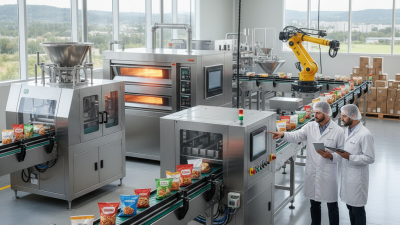
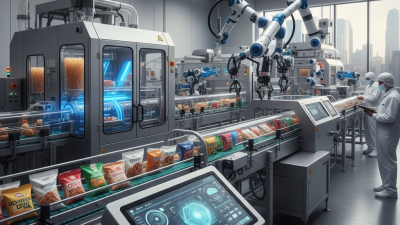
Choosing food manufacturing equipment is not just a matter of comparing prices or selecting the fastest machine. The right choice depends on your product, production volume, available floor space, and cleaning requirements. A mixer suited to thick dough may perform poorly with a delicate liquid. Small details matter. Consider the full production line, too: a high-speed filler can create delays if the packaging station cannot keep pace.
Start by defining what the equipment must do each day. Record target output, batch sizes, product characteristics, and expected changes in demand. Check contact materials, temperature ranges, controls, and how easily operators can inspect and clean key parts. Ask suppliers for clear specifications, maintenance schedules, and realistic performance data. If possible, observe a demonstration using a product similar to yours. A brochure rarely shows every limitation.
Budget beyond the purchase price. Installation, staff training, spare parts, energy use, and downtime all affect operating costs. Confirm that the machine fits your facility’s utilities and workflow before committing. Review cleaning and food-safety procedures with qualified staff, since design details can affect routine hygiene. That adds up. There may be trade-offs: a compact machine can save floor space but restrict future capacity. Even careful planning can miss something. Revisit your assumptions with operators and maintenance teams, then compare options against measurable needs. The best food manufacturing equipment is not necessarily the newest or most automated; it is equipment your team can run, clean, maintain, and scale with confidence.
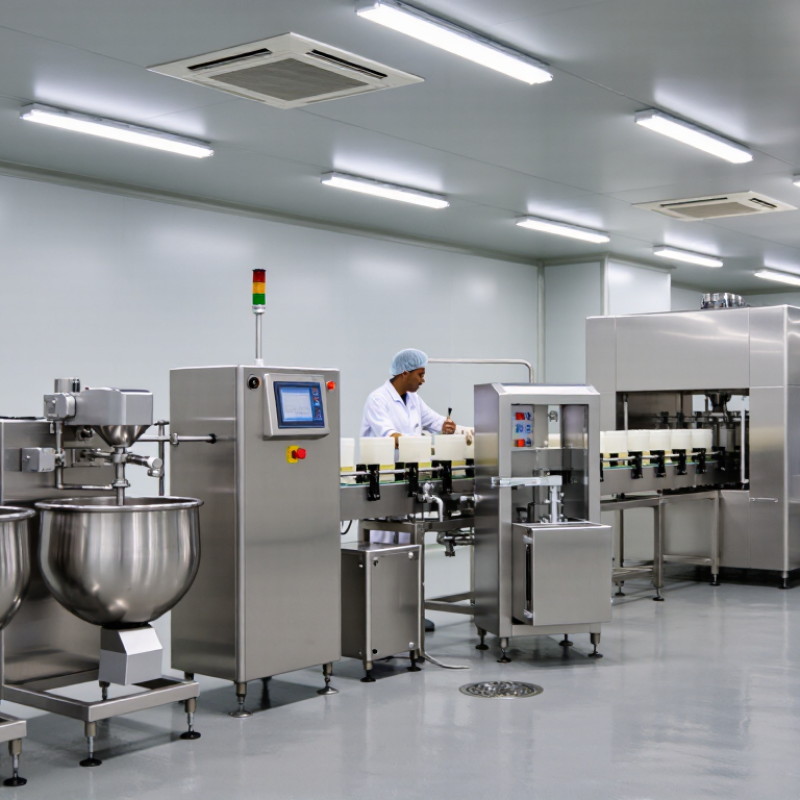
How to Choose Food Manufacturing Equipment?
Choosing food manufacturing equipment starts with production goals, not catalogue features. Define target output, product range, shift pattern, labor model, and acceptable waste. A small sauce line may need 800 kilograms per hour, while a frozen meal line needs controlled temperatures and rapid changeovers. These are different engineering problems. The FAO’s State of Food and Agriculture 2023 report indicates that 13.2% of food was lost between harvest and retail in 2021. That figure makes yield a design requirement, not a slogan. Measure trim loss, giveaway, downtime, and cleaning water before requesting quotations. Keep records.
Product requirements should govern every contact surface and process step. Viscosity, particle size, acidity, allergens, moisture, and heat sensitivity affect pumps, mixers, fillers, sensors, and cleaning cycles. The Codex General Principles of Food Hygiene recommends risk-based preventive controls, hygienic design, and process monitoring. In practice, ask equipment providers to demonstrate cleanability using your actual product, not a clear test liquid. Short trials reveal dead zones. They also expose awkward seals. The UNEP Food Waste Index Report 2024 estimates that 1.05 billion tonnes of food waste occurred in 2022. Better portion accuracy and gentler handling can reduce avoidable losses, but equipment cannot repair weak recipes or poor scheduling. A faster machine may create more waste during changeovers. Specify output, yield, cleaning duration, energy use, allergen changeover time, and operator safety. Early assumptions are often wrong.
The chart shows practical equipment-selection priorities for common food production goals. High-throughput operations typically require greater capacity and automation, while heat-sensitive products depend more on temperature control. Products with frequent recipe changes benefit from hygienic design, fast changeover, and effective cleaning systems. Use these planning scores as a screening reference before confirming equipment specifications, validation requirements, and total operating costs.
Choosing food manufacturing equipment starts with the process, not the machine catalog. A sauce line may need cutting, cooking, mixing, pumping, filling, and cleaning. Each step creates different pressure, heat, shear, and sanitation demands. I have seen teams select a high-speed mixer for delicate herbs, only to find bruised particles and uneven color. The equipment matched the output rate, but not the food.
Food characteristics should guide every contact surface and movement. Thick nut paste needs torque and controlled heating, while a thin beverage needs gentle pumping and accurate flow control. Sticky products can bridge inside narrow hoppers. Fibrous vegetables may clog small valves. Temperature-sensitive foods require short residence times and responsive sensors. Ask for trials using the real recipe, including salt, oil, particles, and seasonal variation. Laboratory water tests can be misleading. Very misleading.
Review capacity alongside product quality. A fryer that handles one batch well may overheat when production doubles. Check whether the mixer maintains uniformity at low and high loads. Confirm cleanability, drainage, inspection access, and changeover time. Hygienic design reduces residue around seals, welds, and dead legs. Keep records from pilot runs: temperature curves, viscosity readings, yield, downtime, and cleaning results. Operators often notice problems before specifications do. Their comments deserve evidence-based follow-up. I would also challenge my own assumptions; a familiar process is not always the most efficient one.
Equipment selection should begin with capacity, not catalog features. Estimate hourly output, peak demand, changeover time, and expected downtime. A line producing 1,000 units per hour may need more capacity during seasonal orders. Include product yield and material losses in the calculation. These details often expose unrealistic targets.
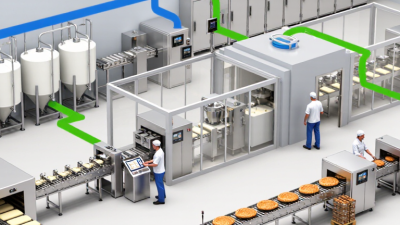
Layout affects safety, sanitation, and daily efficiency. Map the product flow from receiving to processing, packing, and dispatch. Keep raw and finished materials separated. Allow space for cleaning, inspection, repairs, and operator movement. Measure door widths, ceiling height, floor loading, and drainage points before ordering equipment. I have seen accurate machines become poor investments because maintenance access was ignored. That mistake is expensive.
Tips: Confirm electrical load, water pressure, compressed air, ventilation, and waste connections with qualified engineers. Ask suppliers for utility consumption at real operating capacity. Leave room for future expansion, but avoid buying oversized equipment without evidence. Bigger is not always better. Review the layout with operators; their practical feedback may reveal bottlenecks that drawings miss. Recheck every assumption. Small errors can disrupt an entire production day.
How to Choose Food Manufacturing Equipment?
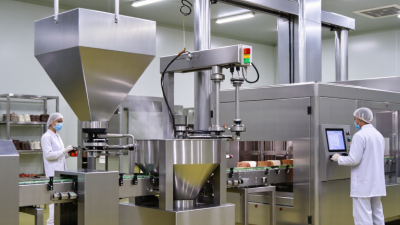
Food equipment must protect the product before it improves production speed. Select stainless steel or other food-contact materials supported by supplier documentation. The FDA Food Code 2022 requires food-contact surfaces to be smooth, corrosion-resistant, nonabsorbent, and easily cleanable. Avoid hidden seams, hollow frames, and sharp internal corners where residue can collect. A polished appearance is not enough. Material compatibility with acids, salt, heat, and cleaning chemicals matters more.
Hygiene should be tested during real cleaning routines, not only during demonstrations. Check drainability, access, spray coverage, and tool-free dismantling. The World Health Organization estimates that 600 million people become ill from contaminated food each year, with 420,000 deaths. That figure makes sanitation design a production issue, not merely a maintenance preference. Safety also needs evidence. OSHA reports that machine guarding helps prevent contact with moving parts, while emergency stops and lockout procedures support safer servicing. Small gaps still deserve attention.
Tips: Ask operators to clean the equipment before purchase. Measure cleaning time, water use, and remaining residue. Review HACCP hazards, validation records, allergen controls, and local certification requirements. Confirm that electrical parts suit washdown conditions. Keep spare seals identifiable. In practice, teams often overlook them. That is a costly weakness. Recheck every assumption with maintenance staff, sanitation workers, and a qualified food-safety professional.
| Evaluation dimension | What to check | Practical selection criteria | Evidence to request or verify |
|---|---|---|---|
| Product-contact materials | Wetted surfaces, seals, gaskets, hoses, coatings, and lubricants that could contact food. | Choose materials suitable for the food, temperature, acidity, salt content, fats, cleaning chemicals, and operating conditions. Stainless steel grades such as 304 or 316 are commonly used, but suitability depends on the application and corrosion exposure. | Material specifications and food-contact compliance documentation for the intended market and use. For example, applicable U.S. requirements may include 21 CFR Parts 174–178; EU requirements may include Regulation (EC) No 1935/2004 and relevant material-specific measures. |
| Hygienic design | Draining, access for inspection, joints, welds, crevices, dead ends, and areas where food or moisture can collect. | Favor smooth, accessible product-contact surfaces and a design that minimizes product traps and allows effective cleaning. Confirm that equipment can be inspected and reassembled correctly after cleaning. | Design drawings, surface-finish specifications where relevant, cleaning instructions, and inspection or hygienic-design documentation. EHEDG and 3-A Sanitary Standards provide useful design guidance where applicable. |
| Cleaning and sanitation | Whether equipment is cleaned manually, by clean-in-place (CIP), or by another validated process; chemical, temperature, and flow requirements. | Match the cleaning method to the product and soil type. Verify that all relevant surfaces can be reached and that cleaning does not damage materials, seals, instruments, or controls. | Written cleaning procedures, chemical and temperature limits, CIP flow or coverage information where applicable, and site-specific cleaning validation or verification results. |
| Food safety controls | Potential contamination routes, including product residues, lubricants, fragments, water, allergens, and cross-contact between products. | Assess equipment within the facility’s hazard analysis and preventive controls or HACCP plan. Consider allergen changeovers, product-zone separation, foreign-material control, and monitoring needs. | Hazard-analysis inputs, preventive-maintenance requirements, lubrication specifications, changeover procedures, and records or test results relevant to the intended process. |
| Operator and machine safety | Moving parts, pinch points, hot or cold surfaces, pressure, electrical hazards, noise, access, and maintenance tasks. | Look for appropriate guarding, interlocks, emergency stops, safe access, lockout provisions, and clear operating and maintenance instructions. Confirm that safeguards suit the actual installation and workflow. | Risk assessment and safety documentation. Applicable requirements depend on the country and installation; examples include U.S. OSHA requirements and machinery risk-assessment principles in ISO 12100. |
| Regulatory and market compliance | Food-contact rules, food-hygiene obligations, electrical and machinery requirements, and any sector-specific rules in the destination market. | Define the country of use, product category, and equipment function before purchase. Verify that the equipment and its intended use fit the facility’s food-safety management system and local legal obligations. | Applicable declarations, test reports, technical files, instructions, and food-contact documentation. Examples include U.S. 21 CFR Part 117 for relevant current good manufacturing practice and preventive-control requirements, or applicable EU food-hygiene and machinery legislation. |
| Capacity and process fit | Throughput, batch size, product viscosity or particle size, temperature range, changeover frequency, and compatibility with upstream and downstream equipment. | Select based on demonstrated performance with a representative product and the required operating range, not nominal capacity alone. Include expected downtime, changeovers, and future production needs. | Performance data, utility requirements, product-trial results where feasible, process limits, and a documented acceptance test agreed before installation. |
| Maintenance and traceability | Wear parts, calibration points, spare-parts availability, maintenance access, software or control records, and equipment identification. | Prefer maintainable equipment with clear service intervals, replaceable parts, and records that support preventive maintenance and process monitoring. | Maintenance schedules, parts lists, calibration instructions, operating manuals, training materials, and equipment records needed by the site’s quality and food-safety systems. |
Requirements vary by product, process, installation, and market. Confirm applicable laws and standards with qualified regulatory and food-safety professionals before purchase.
How to Choose Food Manufacturing Equipment?
Compare Suppliers, Total Costs, and Long-Term Support
Choosing food manufacturing equipment requires more than comparing purchase prices. Grand View Research estimated the global food processing equipment market at USD 52.36 billion in 2022. That scale reflects strong demand, but it also creates many supplier choices. Request the same specification from at least three suppliers. Compare throughput, changeover time, energy use, cleaning access, and product-contact materials. A lower quotation may hide longer sanitation work.
Total cost of ownership should guide the decision. Include installation, operator training, spare parts, maintenance labor, utilities, downtime, and eventual upgrades. PMMI reported that U.S. packaging machinery shipments reached approximately USD 11.3 billion in 2022, rising 9.1% from the previous year. Investment is active, yet rushed purchasing remains risky. A simple spreadsheet helps. It can still lie.
Ask each supplier for service response times, parts availability, warranty limits, software support, and technician coverage. Request references from facilities with similar products and production volumes. During a factory acceptance test, watch the equipment run with real containers, sticky ingredients, or fragile products. Demonstrations can look perfect. Production rarely does.
Long-term support should be measurable. Set service-level targets, training schedules, preventive-maintenance plans, and documentation requirements in the contract. Check whether common wear parts can arrive within your operating region. The best supplier is not always the cheapest or most technically impressive. Sometimes, a modest machine with accessible parts protects production better than an advanced system that depends on distant specialists.
+44 (0)1373 831 373