How to Choose the Right Creamery Equipment?

Choosing creamery equipment is less about buying the largest machine and more about matching each unit to your milk, products, and daily workflow. A small-batch pasteurizer may suit a farmstead creamery, while a growing plant may need automated transfer, cooling, and filling. The difference becomes visible at 6 a.m., when milk arrives, tanks are occupied, and every wash cycle affects the next production run. Good choices protect product consistency without making operators fight the line.

A useful guidepost, consistent with dairy scientist Dr. David M. Barbano’s focus on measurable dairy quality, is: “Choose equipment for the product, process, and cleaning demands—not capacity alone.” This is an editorial paraphrase, not a verbatim quotation. It keeps the decision grounded in real operating conditions. I may overvalue flexibility here; a machine with every option can add cost, training, and maintenance.

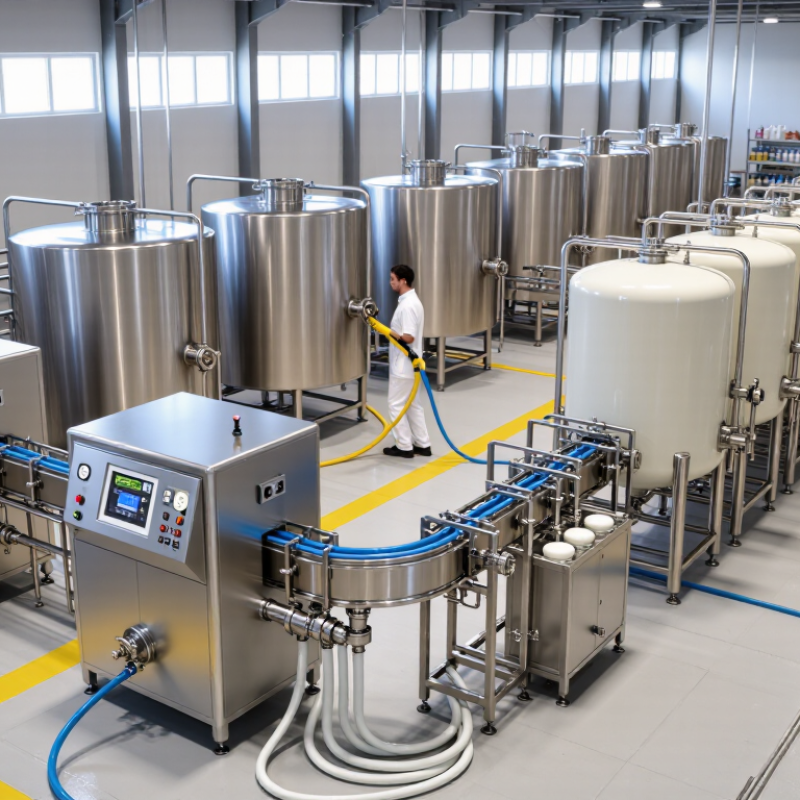
This guide explores the questions buyers should ask before choosing creamery equipment: daily throughput, product range, heating and cooling needs, sanitation routines, floor space, utilities, service access, and future expansion. Look closely at stainless-steel surfaces, control readability, hose routes, and whether staff can reach valves without awkward lifting. Ask vendors for documented performance and a clear cleaning demonstration. A brochure cannot show a stubborn drain or a bottleneck at filling. Choose equipment that fits today’s production while leaving a sensible path for growth. Start with the process—not the sales pitch.
How to Choose the Right Creamery Equipment?

Identify Your Creamery’s Products and Production Goals

Before comparing creamery equipment, define what you plan to make and how much you expect to produce. Fresh milk, cultured yogurt, soft cheese, and aged cheese place different demands on temperature control, mixing, draining, and storage. Be specific. “Cheese” is not a complete production plan. Note the target batch size, desired texture, packaging format, and how often each product will be made.

A small creamery producing fresh cheese may need a jacketed vat, reliable temperature monitoring, draining tables, and enough chilled storage. A cultured product line may depend more on steady incubation temperatures and gentle, repeatable filling. Write down the steps from receiving milk to cleaning the last vessel. This can reveal bottlenecks that a machine specification sheet will not show. Sometimes the sink is the problem.

Set goals using realistic daily volumes, not an optimistic peak-week estimate. Consider whether batches will grow, whether seasonal milk supply changes, and how much hands-on labor is available. Equipment that is easy to sanitize and maintain can matter as much as its rated capacity. Still, plans change. I would leave room for adjustment, but not buy extra capacity without a clear reason. Compare proposed equipment with your actual recipes and workflow, then ask a qualified dairy-processing specialist to review any uncertain process details.
How to Choose the Right Creamery Equipment?

Identify Your Creamery’s Products and Production Goals

Approximate raw milk input varies with recipe, yield, and product moisture and fat content. Use your product mix and planned daily throughput to size pasteurizers, vats, separators, and other equipment; confirm capacities with your process requirements.

Map the Processing Steps and Required Equipment

How to Choose the Right Creamery Equipment?

Map the Processing Steps and Required Equipment

Map the product route before comparing machines: receiving, chilled storage, filtration, heat treatment, processing, filling, and cleaning. A cheese line may need vats, curd handling, and whey drainage; a cultured dairy line needs controlled fermentation and gentle cooling. The right sequence depends on the product, batch size, and target output. Map it on paper. FAO’s Dairy Market Review 2023 estimated global milk production at 944 million tonnes in 2022, a reminder of the scale and variety of dairy processing—not a reason for every creamery to buy a high-capacity line.

For each step, record the milk volume per hour, temperature range, contact materials, and cleaning method. A pasteurizer must match the required time-temperature process and expected flow, while pumps should suit the product’s thickness and sensitivity to shear. Check whether tanks, pipes, and fillers connect without awkward transfers or cooling delays. Those small gaps matter. Verify capacity using peak-day volumes, not just an average week; otherwise, a neatly priced line may become the bottleneck.

Match Equipment Capacity to Space and Utilities

How to Choose the Right Creamery Equipment?

Match Equipment Capacity to Space and Utilities

Choose equipment around your peak production needs, not an optimistic annual target. USDA NASS reported 13.6 billion pounds of U.S. cheese production in 2023, but national output is context—not a sizing formula for your creamery. Estimate your own busiest production hours, product mix, cleaning cycles, and expected growth. Then compare those figures with each machine’s rated throughput. A vat that fits the room may still bottleneck filling or cooling.

Measure the actual space, including door swings, operator access, and room for maintenance. Check floor loading, drainage, ventilation, and clear routes for moving equipment. Utilities matter just as much. The U.S. Department of Energy’s dairy-processing assessment identifies refrigeration and process heat as major plant energy demands. Confirm electrical service, hot-water recovery, steam capacity, and cooling loads with qualified engineers before ordering.

Small details count. A hose crossing a walkway can disrupt a shift. It is easy to overestimate available power; verify demand under simultaneous operation, not one machine at a time. Leave practical room for service access and future changes, even if the layout feels less efficient on paper.

Compare Materials, Sanitation Features, and Controls

How to Choose the Right Creamery Equipment?

Compare Materials, Sanitation Features, and Controls

Material choice affects cleaning time and equipment life. For milk-contact surfaces, look for corrosion-resistant stainless steel with smooth, accessible welds. The 3-A Sanitary Standards’ general requirements specify a maximum surface roughness of 0.8 micrometers Ra for product-contact surfaces. That finish helps limit places where residue can collect. A polished surface is not enough, though. Check seams, gaskets, and valve seats by hand or with a close visual inspection; tiny crevices can be easy to miss.

Sanitation features should make the correct routine practical. Review whether tanks drain fully, spray devices reach shadowed areas, and pipes can be inspected without awkward disassembly. The FDA Food Code calls for cleaning food-contact surfaces used with time/temperature-control foods at least every four hours in many operating situations. Creamery conditions vary, so confirm the applicable schedule with your food-safety plan. Keep cleaning-cycle records, too. They reveal drift. A control panel that logs temperature, time, and alarms is more useful than one that merely displays a green light.

Compare controls in a real wash cycle, not just on a sales screen. Ask operators to set a cycle, respond to a low-temperature alarm, and retrieve the record. Simple controls reduce guesswork, but automation cannot notice every blocked spray ball or worn seal. That part still needs people.

Assess Compliance, Costs, Maintenance, and Supplier Support

How to Choose the Right Creamery Equipment?

Assess Compliance, Costs, Maintenance, and Supplier Support

Start with the product and the cleaning routine. A pasteurizer, vat, or filling line should suit your batch size and process. Check that food-contact surfaces are suitable, welds are accessible, and components can be cleaned and inspected. Requirements vary by location and product, so confirm applicable standards with local authorities or a qualified food-safety professional. Keep the documentation. It matters later.

Compare the full cost, not just the purchase price. Include delivery, installation, electrical or refrigeration upgrades, staff training, water use, and replacement parts. A lower quote can become expensive if the equipment slows production or needs frequent service. Ask for a written maintenance schedule and realistic lead times for common spare parts. Then picture a gasket failing on a busy Monday. Is it easy to reach? No checklist catches everything.

Supplier support should be specific. Ask who handles setup, how quickly service requests are answered, and whether operators receive hands-on training. Request references from facilities with similar products and production volumes. Review warranty terms carefully, including exclusions and travel charges. A helpful sales conversation is not the same as dependable support. Get commitments in writing, and leave room in your budget for the unexpected.

How to Choose the Right Creamery Equipment? — Assess Compliance, Costs, Maintenance, and Supplier Support

Assessment Area What to Check Practical Evidence or Benchmark Cost and Maintenance Impact Questions for the Supplier
Regulatory compliance Confirm the equipment suits the product, process, and rules in the installation jurisdiction. Request material specifications, hygienic-design details, operating documentation, and any relevant conformity records. Requirements differ by location and product. Compliance changes can add design, documentation, testing, or installation costs. Resolve requirements before ordering. Which local standards or approvals does this configuration support? What documents will be supplied for inspection?
Food-contact surfaces and cleanability Assess product-contact materials, welds, seals, drainage, access, and whether the system is designed for the intended cleaning method. Review material certificates and equipment drawings. Ask how product-contact areas are cleaned and how cleaning effectiveness is verified. Hard-to-clean designs may increase labor, water, detergent use, downtime, and contamination risk. Which surfaces contact product? Can the supplier provide cleaning instructions, inspection access, and recommended spare-seal details?
Pasteurization and process controls For pasteurization equipment, verify that the design supports the required time-temperature process, monitoring, alarms, and recordkeeping. In the United States, the Grade “A” Pasteurized Milk Ordinance includes the common HTST benchmark of 72°C (161°F) for 15 seconds for milk; the applicable authority must confirm requirements for the specific product and process. Controls, instrumentation, calibration, and required process verification affect both initial cost and ongoing operating expense. Can the system document critical process parameters and provide calibration and verification procedures?
Capacity and product fit Match rated capacity to actual batch size, peak demand, product viscosity, changeovers, and planned production growth. Compare the proposed usable capacity and throughput with a production schedule that includes filling, cleaning, and product changeovers. Oversizing can raise purchase and utility costs; undersizing can constrain output or require extra shifts. What are the rated and usable capacities for our product? What assumptions are used for throughput and changeover time?
Installed and lifecycle cost Compare the full project cost rather than the equipment purchase price alone. Request a written breakdown for equipment, freight, installation, utilities, commissioning, operator training, and required accessories. Include energy, water, cleaning chemicals, labor, consumables, planned servicing, and expected downtime in the ownership-cost comparison. Which items are excluded from the quotation? Can operating-consumption assumptions and commissioning costs be itemized?
Utilities and facility readiness Check electrical supply, water quality and pressure, drainage, ventilation, compressed air, steam, and available floor space. Use the equipment utility schedule and site drawings to confirm connection sizes, loads, clearances, access routes, and drainage needs before installation. Facility upgrades can materially increase project cost and delay commissioning. Can you provide utility loads, connection points, layout drawings, and foundation or clearance requirements before purchase?
Maintenance and spare parts Review routine inspection tasks, wear parts, service access, and the availability of replacement components. Request a maintenance schedule based on the equipment manual, plus a recommended spare-parts list and replacement instructions. Accessible components and readily available parts can reduce service time; include consumables and planned maintenance in the annual budget. Which parts are routine wear items? What are typical lead times, and can maintenance be performed by trained in-house staff?
Supplier installation and training Clarify who installs, commissions, tests, and trains operators and maintenance staff. Include a written scope of work, commissioning checklist, operating manuals, and training deliverables in the purchase agreement. Unclear responsibilities can lead to extra labor costs, delayed start-up, and avoidable operating errors. Who is responsible for commissioning and acceptance testing? What training is included, and when will it be delivered?
Service and warranty support Assess response arrangements, warranty coverage, technical help, and service availability in the operating region. Compare written warranty terms, service contact methods, stated response arrangements, and conditions that may void coverage. Support quality can affect downtime exposure and repair costs. Confirm travel, labor, and parts coverage in writing. What is covered, for how long, and how are urgent breakdowns handled? Are remote diagnostics or local service visits available?
Documentation and acceptance Define what must be delivered and tested before the equipment is accepted for production. List drawings, manuals, parts information, test records, training records, and agreed performance checks in the purchase specification. Clear acceptance criteria help prevent disputes and make handover, maintenance, and future inspections easier. Can acceptance criteria and required handover documents be agreed before the order is placed?

Note: Regulatory requirements vary by jurisdiction, product, and process. Confirm applicable requirements with the relevant food-safety authority and qualified technical professionals before selecting or installing equipment.