What Are the Top 10 Food Production Machinery Suppliers?
Choosing the top 10 food production machinery suppliers requires more than comparing catalogues or advertised prices. A reliable review must examine engineering depth, hygienic design, automation, output consistency, energy use, and technical support. A stainless-steel filling line may look impressive, yet difficult cleaning access can create serious operational weaknesses. Actual factory performance matters.
Frank Yiannas, a respected food safety expert and former FDA Deputy Commissioner, stated, “Food safety is a shared responsibility.” That principle belongs at the center of every supplier evaluation. Machinery affects sanitation, traceability, worker safety, product quality, and production continuity. Strong suppliers provide documented validation, practical operator training, responsive maintenance, and spare parts that arrive before a small failure becomes an expensive shutdown. Their systems should also support recognized food safety programs and site-specific production requirements.
This guide introduces ten leading suppliers across processing, packaging, conveying, filling, baking, and preparation equipment. The selection considers global presence, manufacturing experience, innovation, customer evidence, and service capability. However, no ranking is perfect. A supplier excellent for high-volume dairy production may be unsuitable for a small bakery or a frozen-food plant. Marketing claims can also hide limitations. Buyers should request factory demonstrations, sanitation details, lifecycle costs, and references from comparable facilities. Look closely. Ask difficult questions. The best choice is rarely the cheapest machine; it is the system that performs safely, consistently, and economically over many years.
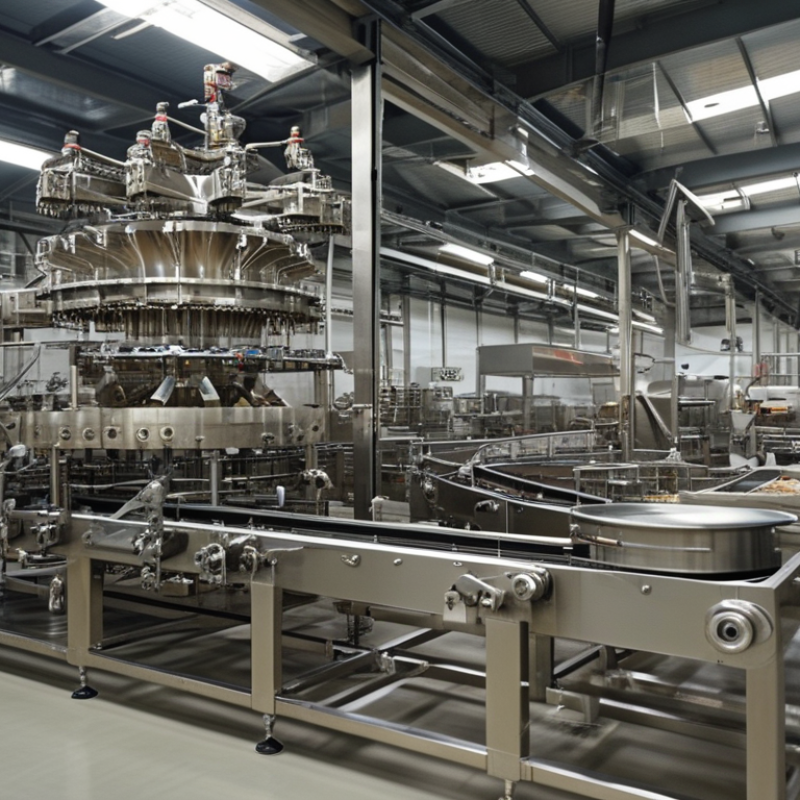
Defining Food Production Machinery Suppliers and Their Industry Roles
Food production machinery suppliers design, build, and support equipment used to process, package, and inspect food. Their role extends beyond selling machines. A capable supplier studies the product, factory layout, production volume, and cleaning routine before recommending equipment. Common systems include mixers, cutters, fillers, conveyors, ovens, coolers, and packaging units. Hygienic design remains essential. Smooth stainless-steel surfaces, accessible joints, and controlled drainage reduce contamination risks. Suppliers also help customers select suitable materials and operating temperatures.
The top ten suppliers should be judged by more than production speed. Reliable companies provide installation guidance, operator training, maintenance schedules, spare parts, and documented testing. They may connect individual machines into a traceable production line. Data sensors can record temperature, weight, pressure, and downtime. This support helps factories respond to quality problems with evidence, not guesses. It is not simple. A fast machine may still create waste if changeovers are slow or cleaning takes hours. Details matter.
From practical factory experience, supplier communication often affects performance as much as machine design. Engineers should ask for clear capacity data, sanitation procedures, warranty terms, and response times. Independent inspections can confirm whether published claims match real operation. A neat ranking can still mislead when one supplier serves large factories while another excels with flexible small batches. I would also question suppliers that avoid discussing failure rates or operator feedback. Good equipment should perform consistently, but no system is perfect. Honest suppliers acknowledge limitations and help customers plan around them.
What Are the Top 10 Food Production Machinery Suppliers? – Defining Food Production Machinery Suppliers and Their Industry Roles
| Profile | Primary Supplier Role | Core Machinery Category | Typical Throughput Range | Main Food Applications | Key Hygienic Design Features | Typical Automation Contribution | Common Compliance Requirements |
|---|---|---|---|---|---|---|---|
| Supplier Profile 01 | Continuous processing equipment provider | Mixing, blending and cooking systems | 500–10,000 kg/hour | Sauces Soups Dairy products Prepared meals | Stainless-steel product zones, cleanable pipework, controlled temperature circulation and reduced product retention. | Recipe control, temperature monitoring, automated ingredient dosing and batch traceability. | Food-contact material rules, hygienic equipment design and hazard-based food-safety controls. |
| Supplier Profile 02 | Size-reduction and preparation machinery provider | Cutting, slicing, dicing and grinding machinery | 100–6,000 kg/hour | Meat Fish Vegetables Cheese | Tool-free access, guarded cutting zones, corrosion-resistant surfaces and separation of raw-product areas. | Servo-controlled portioning, programmable cut dimensions, speed control and production data logging. | Machine guarding, sanitation procedures, allergen control and prevention of cross-contamination. |
| Supplier Profile 03 | Thermal processing system supplier | Ovens, fryers, steamers and pasteurization systems | 200–12,000 kg/hour | Bakery products Frozen foods Ready meals Protein products | Uniform heat distribution, insulated surfaces, drainage provisions and access for cleaning and inspection. | Automatic time-temperature profiles, energy monitoring, conveyor-speed control and process alarms. | Validated thermal processes, food-safety plans, worker protection and environmental-emission controls. |
| Supplier Profile 04 | Filling and portioning machinery provider | Liquid, viscous and particulate filling systems | 20–600 containers/minute | Beverages Dairy Condiments Pet food | Positive-drain product paths, sanitary valves, smooth welds and quick-change product-contact components. | Volumetric or gravimetric dosing, automatic container detection, fill-weight feedback and reject handling. | Accurate net-quantity control, hygienic filling practices, calibration and batch identification. |
| Supplier Profile 05 | Forming and molding equipment supplier | Depositors, patty formers and product molding systems | 1,000–30,000 portions/hour | Bakery Meat alternatives Confectionery Snack foods | Interchangeable product tooling, accessible contact parts, low-retention surfaces and controlled lubrication systems. | Servo-driven forming, recipe storage, portion-weight control and automatic tooling changeovers. | Portion-weight verification, allergen segregation, equipment sanitation and safe access design. |
| Supplier Profile 06 | Packaging machinery integrator | Vertical, horizontal and tray packaging systems | 30–300 packs/minute | Snacks Fresh produce Frozen foods Dry goods | Washdown-compatible frames, protected drives, hygienic conveyors and minimized packaging-material debris. | Film registration, automatic sealing control, product counting, reject systems and line-speed synchronization. | Package integrity testing, seal-quality verification, labeling accuracy and foreign-material prevention. |
| Supplier Profile 07 | Inspection and quality-control technology provider | Checkweighers, metal detection and vision inspection systems | 60–500 products/minute | Packaged foods Bakery Beverages Dairy | Sealed electrical enclosures, washdown-rated components, hygienic conveyors and accessible calibration points. | Automatic reject confirmation, statistical process monitoring, defect classification and electronic records. | Critical-control-point verification, calibration management, traceability and documented corrective action. |
| Supplier Profile 08 | Conveying and material-handling system supplier | Belts, elevators, accumulation tables and transfer systems | Up to 25,000 kg/hour | All food sectors Raw materials Finished products | Open-frame construction, positive belt tracking, cleanable supports and hygienic product transfers. | Line balancing, accumulation control, product tracking, automated routing and integration with supervisory systems. | Safe guarding, ergonomic access, cleanability, product segregation and prevention of product damage. |
| Supplier Profile 09 | End-of-line automation provider | Case packers, palletizers and robotic handling systems | 10–120 cases/minute | Cartoned foods Bottled products Canned foods Frozen products | Protected robotic joints, cleanable guarding, controlled air systems and separation from exposed product zones. | Robotic picking, pattern control, pallet data management, automatic changeover and warehouse-system connectivity. | Industrial robot safety, case-label accuracy, pallet stability and traceability of finished goods. |
| Supplier Profile 10 | Complete production-line engineering and integration provider | Turnkey processing, packaging and digital-control lines | Line-dependent; commonly 1–30 tonnes/hour | Large-scale food plants Multi-product facilities Export production | Sanitary zoning, validated cleaning routes, hygienic utilities, controlled drainage and documented equipment interfaces. | Centralized line control, production scheduling, energy dashboards, electronic batch records and predictive maintenance. | Integrated food-safety management, machinery safety, process validation, utility qualification and traceability. |
Note: The profiles above represent the ten principal supplier roles commonly found in food-production machinery markets. Throughput figures are typical equipment ranges and vary according to product properties, recipe, package format and line configuration.
Related Posts
-
Top 5 Food Industry Equipment You Need for Success?
-
Top 10 Food Machinery Equipment You Should Know About?
-
How to Choose the Right Food Manufacturing Machinery for Your Business?
-
Top Food Machinery Trends in 2026 What Buyers Should Know?
-
Why Investing in Food Industry Equipment is Essential for Business Success?
-
Why Choose the Right Food Manufacturing Equipment for Your Business?