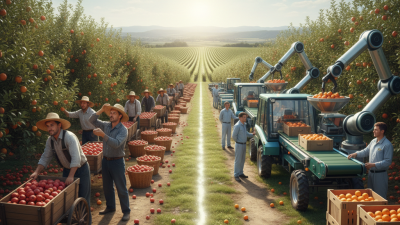
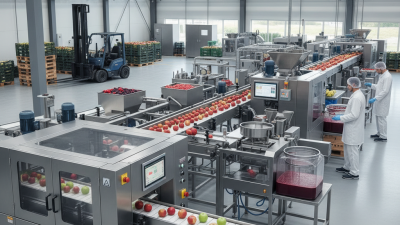
What Is Fruit Machinery and How Does It Work?
Fruit machinery is the practical bridge between freshly harvested produce and consistent commercial food products. It includes washing units, sorting lines, graders, peelers, cutters, pulpers, juice extractors, dryers, and packing systems. Each machine handles a specific task, yet the complete line must work as one controlled process.
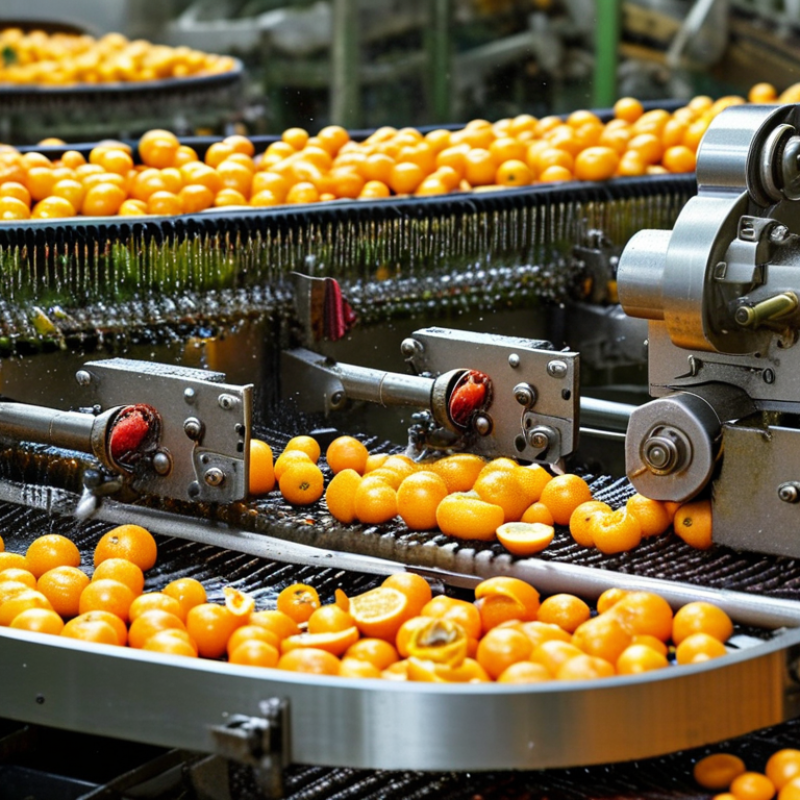
Food-processing expert Peter Fellows defines the field clearly: “Food processing is the transformation of raw materials into food products by physical and chemical means.” Fruit machinery applies this idea through movement, pressure, heat, water, and careful timing. A conveyor may carry oranges beneath spray nozzles, while optical sensors remove bruised fruit. A citrus extractor then separates juice, peel, seeds, and pulp. Small adjustments matter. Excessive pressure can damage texture. Insufficient washing can leave soil behind.
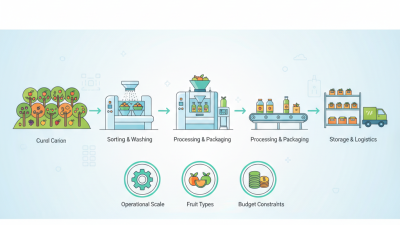
The equipment usually begins with receiving and inspection. Operators check fruit size, ripeness, firmness, and visible defects. Washing follows, using water systems designed for hygiene and reduced waste. Sorting and grading create more uniform batches. Cutting, crushing, pressing, or extracting then prepares the fruit for juice, puree, dried products, or packaged pieces. Sensors and automated controls improve speed, but they do not replace human judgment.
No machine is perfect. A polished production diagram can hide maintenance problems, water consumption, or uneven fruit quality. Real performance depends on cleaning routines, staff training, spare parts, and correct calibration. Understanding fruit machinery therefore requires more than knowing its names. It requires observing how fruit behaves inside the equipment, where losses occur, and which improvements genuinely protect quality.
Definition and Purpose of Fruit Machinery
What Is Fruit Machinery and How Does It Work?
Fruit machinery refers to equipment designed to handle fruit after harvesting. Its purpose is practical: to wash, inspect, sort, cut, process, and pack fruit efficiently. A typical line may use water sprays, conveyor belts, rollers, weighing systems, and optical sensors. Each unit performs a specific task.
The process usually begins with gentle washing to remove soil and surface residue. Sorting equipment then separates fruit by size, color, weight, or visible damage. Cutting and peeling machines prepare fruit for fresh packs, juice, puree, or other food products. Proper adjustment matters. Excessive pressure can bruise soft fruit, while weak settings may leave uneven pieces. No machine is perfect. Human inspection still catches problems that sensors sometimes miss.
Tips: Clean contact surfaces after each production cycle. Check blades, belts, and guards before operation. Adjust speed according to fruit firmness and size. Keep records of defects, water temperature, and machine settings. These details support safer work and more consistent results. In practice, small changes can create noticeable waste. A slow conveyor may protect delicate peaches, while firmer apples can tolerate faster handling. The best setup depends on the fruit, not only the equipment manual.
How Fruit Machinery Works Step by Step
Fruit machinery is a coordinated system that handles fruit from delivery to packing. The process begins when workers unload crates onto a receiving conveyor. They check temperature, bruises, dirt, and visible decay. A gentle water flume or roller conveyor then moves the fruit forward. Clean water reduces surface soil, but it does not remove every hazard. Water quality requires constant testing.
Next, cameras and sensors inspect each piece. They measure color, size, shape, and surface damage. Air jets or mechanical gates separate fruit into different lanes. Workers still review samples because sensors can miss hidden bruises. This human check is important. Machines are fast, not perfect.
The fruit may then pass through a grader with adjustable cups or padded rollers. Each unit directs fruit toward a selected size or quality category. Cutting equipment follows when the product requires slices, segments, or pulp. Sharp blades must stay aligned and sanitized. A small alignment error can create uneven pieces and unnecessary waste. The machinery may also remove seeds, peel, or excess moisture. Not every line uses the same sequence.
Finally, weighing systems portion the prepared fruit into containers. Sealing equipment closes each package, while date and batch details support traceability. Sensors monitor temperature, speed, pressure, and rejected items during production. Experienced operators adjust settings when fruit arrives softer or larger than expected. A standard program is only a starting point. Real fruit changes daily.
What Is Fruit Machinery and How Does It Work?
Fruit machinery is a connected series of machines that receives, cleans, sorts, prepares, processes, heats, and packages fruit. The chart shows representative throughput capacities for a medium-scale fruit-processing line; actual values vary with fruit type, product size, and equipment configuration.
The process usually begins with receiving and sorting. Fruit is then washed and graded before peeling, cutting, crushing, or pulping. Heat treatment helps improve safety and shelf life, while the final filling machine transfers the finished product into containers.
Key Components and Automated Processing Stages
What Is Fruit Machinery and How Does It Work?
Fruit machinery combines mechanical handling, food-grade surfaces, sensors, and controlled water systems. Its purpose is simple: move, inspect, clean, grade, and pack fruit with less damage. The main components include a receiving hopper, conveyor belts, optical cameras, weighing cells, washing tanks, drying units, and packing modules. A variable-speed motor keeps fruit moving gently. Rubber-coated rollers reduce bruising on delicate produce.
Automated processing begins when harvested fruit enters the hopper.
Conveyors separate the flow before cameras detect color, size, shape, and visible defects. Air jets or mechanical gates then direct each item into a selected grade. Washing systems remove soil and surface residue, while drying prevents moisture-related spoilage. According to FAO’s The State of Food and Agriculture 2019, about 14% of food is lost between harvest and retail. Better handling can address part of that gap, although machinery cannot repair poor harvesting practices.
UNEP’s Food Waste Index Report 2024 estimated
1.05 billion tonnes
of food waste in 2022, with households responsible for
60%.
This figure shows why accurate grading and careful packing matter. Yet automation is not flawless. A camera may confuse natural skin marks with damage. Operators still need to check calibration, hygiene, belt tension, and rejected fruit. Small errors matter. The strongest systems combine measured data with experienced human judgment.
Applications, Benefits, and Maintenance Requirements
Fruit Machinery: Applications, Benefits, and Maintenance Requirements
Fruit machinery includes washers, graders, sorters, peelers, cutters, and packing systems. These machines handle delicate produce with controlled water pressure, airflow, belts, and optical inspection. Their applications range from orchard packing houses to juice and frozen-fruit facilities. FAO reported that about 14% of food is lost between harvest and retail, with fruits and vegetables especially vulnerable. Better handling can reduce bruising, contamination, and inconsistent sizing.
The benefits are practical. Automated grading improves product uniformity and reduces repetitive manual work. Gentle conveyors also protect soft fruit during peak harvest periods. However, machinery is not a perfect solution. Poor calibration can spread damage quickly. In my experience, operators sometimes adjust speed before checking fruit temperature and firmness. That decision can increase waste rather than reduce it. Equipment should be selected according to crop variety, moisture level, throughput, and local working conditions.
Tips: Clean product-contact surfaces after each shift. Inspect belts, brushes, nozzles, and seals for wear. USDA guidance emphasizes sanitation, temperature control, and preventive maintenance in fresh-produce operations. Keep a maintenance log with cleaning times, replaced parts, vibration readings, and rejected batches. Lubricants must remain away from exposed fruit. Operators should also test sensors before the busiest hours. Small checks matter. A maintenance plan may look excessive, but one failed bearing can stop an entire packing line.
Sources: FAO, The State of Food and Agriculture 2019; USDA, Fresh Produce Handling and Sanitation guidance.