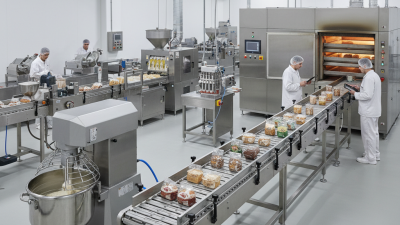
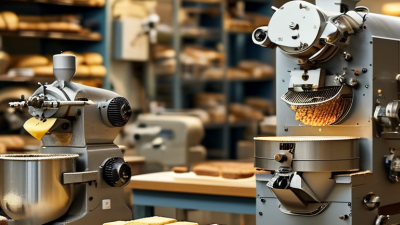
Choosing the right food bakery equipment can shape every stage of a bakery’s daily operation. It affects mixing, proofing, baking, cooling, cleaning, and order fulfillment. A reliable oven can maintain stable heat across several trays. A well-sized mixer can reduce labor without damaging delicate dough. Small details matter.
Experienced bakery operators usually assess more than purchase price. They examine production capacity, energy use, maintenance access, safety features, and available technical support. Equipment should match the bakery’s products, working space, staff skills, and expected growth. A compact deck oven may suit an artisan shop, while a continuous production line may better serve a large facility. Neither choice is automatically superior.
Practical testing offers valuable insight. Operators can inspect temperature recovery, dough consistency, noise levels, and cleaning time before committing. Supplier documentation, warranty terms, spare-part access, and user training also deserve careful review. These factors support dependable performance and reduce avoidable interruptions.
No machine fixes poor recipes or weak processes. That is easy to forget. A bakery may buy advanced equipment, then discover that staff need more training or the floor layout creates delays. This possibility requires honest planning. The most effective food bakery equipment is not always the newest model. It is the equipment that performs consistently, supports hygienic production, and fits real working conditions. Careful selection can improve product quality, protect staff time, and create a more reliable foundation for long-term business growth.
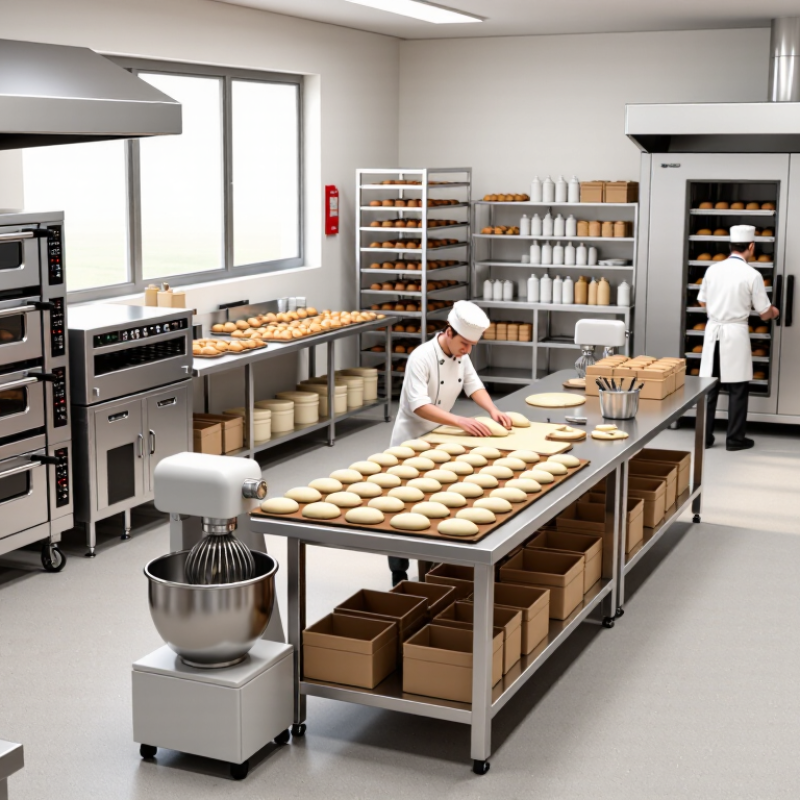
Why Choose Food Bakery Equipment for Your Business?
Understanding Food Bakery Equipment and Its Business Role
Food bakery equipment includes mixers, proofers, ovens, cooling racks, and storage systems. Each machine affects production speed, product consistency, and daily labor. A spiral mixer can reduce uneven dough development during busy mornings. A calibrated oven helps maintain stable crust color and internal texture. These details matter when customers expect the same loaf every week. Equipment is not merely a purchase. It becomes part of the bakery’s operating method.
Choosing equipment should begin with workflow, not impressive features. Measure batch size, floor space, electrical capacity, ventilation, and cleaning access. A compact bakery may gain more from flexible equipment than from oversized machinery. Operators should also check temperature accuracy, safety controls, spare-part availability, and maintenance requirements. Food safety procedures must remain practical during busy production. A machine that is difficult to clean may create avoidable risks. I have found that specifications can look convincing, yet real work often exposes inconvenient weaknesses. Staff feedback deserves attention.
Tips: Test the equipment with your actual dough. Watch mixing time, noise, heat, and cleaning effort. Record energy use for several production cycles. Ask whether one trained worker can operate it safely. Leave space for repairs. Small oversights become expensive later.
Choosing bakery equipment should begin with production evidence, not an attractive catalog image. Record daily output, peak-hour demand, product weight, dough hydration, and required baking cycles. A bakery producing 400 loaves daily needs different capacity from one targeting 4,000. Measure twice.
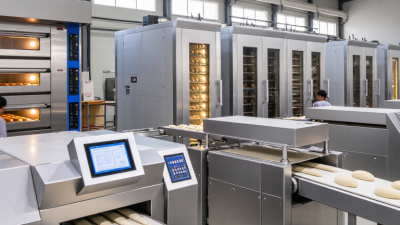
The 2024 PMMI food-processing trends report identifies labor shortages and automation as major investment drivers. However, automation cannot repair an unclear workflow. Track mixing time, proofing losses, changeover minutes, and cleaning labor for at least two weeks. These details reveal whether you need a larger mixer, continuous oven, divider, or simply better scheduling. The International Energy Agency also reports that electric motors account for roughly 45% of global electricity use, making motor efficiency important during equipment comparisons. Small efficiency gains matter during long production shifts.
Food safety and maintenance deserve equal attention. Look for accessible surfaces, controlled temperatures, reliable drainage, and spare-part availability. The U.S. Food and Drug Administration’s Food Code emphasizes cleanable equipment and contamination control, principles that should guide bakery layouts. I have seen businesses overestimate future demand and underprice installation. That mistake is expensive. Leave room for ventilation, operator movement, storage, and unexpected repairs. A modest machine that matches today’s process may outperform oversized equipment that consumes space, energy, and attention. Recheck the numbers before signing.
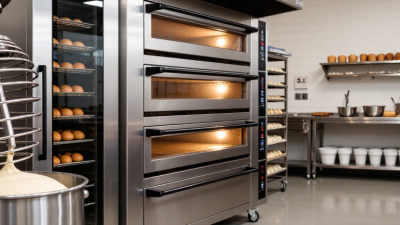
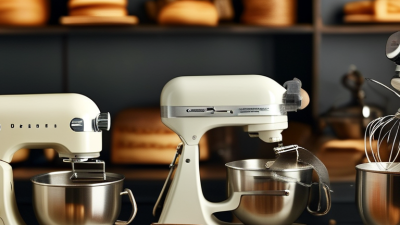
Choosing bakery equipment should begin with output, not appearance. Deck ovens suit artisan loaves and crisp crusts, while convection ovens support even heating across trays. Rotary rack ovens fit higher-volume production, but they require greater floor clearance and utility capacity. For mixing, planetary mixers handle batters and small batches; spiral mixers are better for heavier dough. The 2024 Mordor Intelligence Bakery Processing Equipment report estimates the market will grow from about USD 14 billion in 2024 to over USD 19 billion by 2029. That growth reflects demand for scalable production, not one universal machine.
Capacity must be measured in usable throughput. A mixer rated for 100 kilograms may not safely process 100 kilograms of stiff dough. Ask for dough weight, batch time, recovery time, and hourly tray output. Proofer humidity control matters when crust and volume must remain consistent. Digital temperature records also strengthen quality checks and staff training. According to ENERGY STAR, certified commercial ovens can use about 20% less energy than standard models. That difference becomes noticeable during long baking shifts. Yet energy ratings can mislead when ventilation, preheating, and loading habits are ignored. A smaller oven with fast recovery may outperform a larger unit in a crowded kitchen. This is often overlooked. Test equipment with your actual recipes, pans, and peak schedule before purchasing. And leave capacity headroom; demand forecasts are rarely perfect.
| Equipment Type | Primary Function | Typical Capacity | Typical Output | Key Features | Common Utility | Best Suited For | Space Requirement | Cleaning and Maintenance | Important Selection Factor |
|---|---|---|---|---|---|---|---|---|---|
| Spiral Mixer | Mixes and kneads yeast-leavened dough while developing gluten. | 20–200 kg of dough per batch | Approximately 2–12 batches per hour, depending on dough type and mixing time. | Two-speed operation, stainless-steel bowl, dough hook, safety guard, timer, and reversible bowl options on some models. | Electric power | Bread, pizza, rolls, buns, and other medium- to high-hydration doughs. | Small to medium footprint; requires clearance for bowl access and ingredient loading. | Clean the bowl and hook after use; inspect belts, bearings, and safety switches regularly. | Choose bowl capacity based on the smallest regular batch as well as the maximum production load. |
| Planetary Mixer | Mixes, whips, and beats a wide range of bakery ingredients. | 5–60 L bowl capacity | Approximately 1–8 batches per hour, depending on the recipe and attachment. | Interchangeable dough hook, flat beater, and wire whip; variable speeds; removable bowl; optional attachments. | Electric power | Cakes, creams, batters, icings, cookies, pastry dough, and small bread batches. | Compact to medium footprint; overhead clearance may be needed for bowl lifting. | Wash removable components according to food-safety procedures; lubricate moving parts as recommended. | Best for businesses producing several product types rather than large volumes of one dough. |
| Dough Sheeter | Reduces dough thickness evenly and forms consistent sheets. | Typically 5–30 kg of dough per cycle | Approximately 50–300 kg per hour, depending on dough size, thickness, and operator handling. | Adjustable roller gap, conveyor belts, flour dusters, emergency stop, foldable tables, and variable speed on advanced models. | Electric power | Pastry, croissants, Danish products, cookies, fondant, and laminated dough. | Medium to large footprint because of infeed and outfeed table length. | Remove flour and dough residue from rollers and belts; inspect scrapers and conveyor alignment. | Consider maximum sheet width, roller adjustment range, and available line space. |
| Proofing Cabinet | Controls temperature and humidity to support consistent dough fermentation. | Approximately 8–64 standard sheet pans | Usually supports 1–4 proofing cycles per hour, depending on recipe and proofing time. | Digital temperature control, humidity control, insulated cabinet, adjustable guides, glass door, and water reservoir or steam system. | Electric power; water supply may be required depending on design | Yeast breads, rolls, buns, croissants, and other fermented products. | Compact rolling units to full-size cabinets; allow door-opening clearance. | Drain and sanitize water systems; clean door seals, interior panels, and humidity components. | Match pan capacity with the oven load to prevent bottlenecks between proofing and baking. |
| Convection Oven | Bakes products using circulating hot air for relatively even heat distribution. | Approximately 4–20 standard sheet pans | Approximately 40–240 items per cycle, depending on product size and pan layout. | Fan-assisted heat, programmable temperature and time, multiple rack positions, viewing window, and optional steam injection. | Electric or gas, depending on configuration | Cookies, cakes, pastries, rolls, pies, and small to medium bakery production. | Medium footprint; requires heat clearance and adequate ventilation. | Clean chamber, racks, door glass, and fan area; remove baked-on residue regularly. | Check temperature recovery, pan capacity, energy source, and ventilation requirements. |
| Deck Oven | Bakes directly on stone or steel decks with strong bottom heat and optional steam. | Approximately 1–4 decks, with 1–4 pans per deck | Approximately 20–160 loaves or equivalent products per cycle, depending on deck size. | Independent deck temperature controls, refractory stone or steel surface, steam injection, and strong radiant heat. | Electric or gas, depending on configuration | Artisan bread, hearth loaves, pizza, baguettes, and products requiring controlled crust development. | Medium to large footprint; heavier construction may require suitable floor support. | Brush decks after cooling; remove flour and carbon buildup without damaging the baking surface. | Select deck size, number of chambers, steam capability, and loading method according to product mix. |
| Rotary Rack Oven | Bakes a full rack of products while rotating it for consistent exposure to heat. | Typically 1 rack with 16–36 standard sheet pans | Approximately 100–1,000 items per cycle, depending on product size and pan arrangement. | Rotating rack system, programmable recipes, forced-air circulation, steam injection, automatic door options, and temperature logging. | Gas or electric; water and ventilation may be required | High-volume bread, rolls, buns, pastries, and institutional bakery production. | Large footprint; requires rack clearance, heat clearance, and suitable ventilation. | Clean chamber, fan, drain, door seals, and steam system; schedule professional servicing. | Best when consistent high-volume output is more important than a small equipment footprint. |
| Bread Slicer | Cuts baked loaves into uniform slices for packaging and retail presentation. | Approximately 10–40 loaves per loading cycle | Approximately 300–1,500 loaves per hour, depending on loaf size and feeding method. | Adjustable slice thickness, stainless-steel contact surfaces, crumb collection, safety guards, and automatic feeding on some models. | Electric power | Sliced sandwich bread, toast bread, rolls, and packaged retail loaves. | Small to medium footprint; allow space for loading and product collection. | Remove crumbs daily; inspect and replace blades or knives according to wear and safety requirements. | Confirm compatible loaf dimensions, slice thickness range, and product softness limits. |
| Dough Divider and Rounder | Divides bulk dough into consistent portions and rounds them for uniform shaping. | Approximately 30–300 g per piece, depending on model | Approximately 600–3,000 pieces per hour | Adjustable portion weight, flour-dusting system, interchangeable plates, programmable cycles, and stainless-steel contact parts. | Electric power; compressed air may be needed for some systems | Rolls, buns, burger buns, pizza balls, and standardized yeast products. | Medium footprint; requires accessible dough loading and piece discharge space. | Clean cutting chambers and rounding tracks after production; inspect seals and moving components. | Prioritize portion-weight accuracy, dough-handling quality, and compatibility with hydration levels. |
| Cooling Rack or Spiral Cooler | Cools baked goods before slicing, decorating, packaging, or storage. | Approximately 10–80 trays, depending on rack or spiral design | Determined by oven output and required cooling time; typically 30–120 minutes per batch. | Open-rack airflow, stainless-steel construction, locking casters, or controlled airflow and conveyor movement in spiral systems. | Passive or electric power for fan-assisted and conveyor systems | All baked products requiring controlled cooling before handling or packaging. | Racks are compact; spiral systems require vertical clearance and dedicated line space. | Clean shelves, trays, guards, and conveyor surfaces; control crumbs and airborne contamination. | Provide enough cooling capacity to prevent delays at slicing, decorating, and packaging stages. |
Evaluating costs means looking beyond the purchase price. A reliable oven should match your daily production volume, product range, and available space. In my bakery experience, an undersized oven created long queues and uneven baking. A larger model, however, consumed unnecessary energy during quiet periods. Check power use, installation needs, warranty coverage, and expected service costs before purchasing.
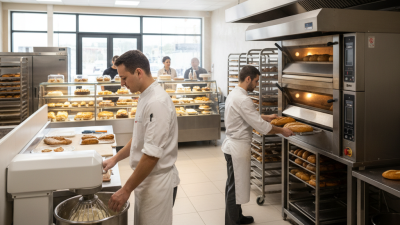
Efficiency also depends on workflow. Equipment with consistent temperature control reduces rejected loaves and saves staff time. Clear displays and simple controls help new employees work with fewer mistakes. Safety deserves equal attention. Heat-resistant handles, stable doors, emergency shutoffs, and accessible cleaning areas reduce workplace risks. Staff should receive practical training, not just a manual. I have learned that rushed training often causes avoidable problems.
Tips: Record energy use for one month. Compare output during peak hours. Inspect seals, cables, and filters weekly. Clean flour dust from vents carefully. Schedule professional servicing before small faults become expensive repairs. Keep maintenance records with dates and observations. Some equipment still needs adjustment after installation, and ignoring that detail can reduce efficiency.
Choosing food bakery equipment is not only a purchasing decision. It is a planning decision that affects daily production, staff safety, and future costs. In bakery projects I have observed, poor space planning causes more trouble than weak equipment. Measure doorways, ceiling height, drainage points, ventilation, and electrical capacity before delivery. A large oven is useless if it cannot pass through the entrance.
Installation should follow a written schedule. Reserve space for service access, cleaning, and safe movement around hot surfaces. Confirm local food safety and electrical requirements with qualified professionals. Check the floor strength, gas or power connections, and extraction system before technicians arrive. Small oversights can delay production for days. I have seen teams forget a drainage slope, then modify a finished floor at extra expense.
Training should be practical, not limited to a manual. Staff need supervised practice with loading trays, setting temperatures, cleaning surfaces, and responding to alarms. Record these procedures for new employees. Still, no training plan is perfect. New workers may ignore a step during a busy morning. Short refreshers and simple checklists can reduce that risk. Leave room for expansion by planning spare electrical capacity, flexible work areas, and storage near future equipment. However, buying oversized equipment too early may waste money and valuable floor space. Review sales data, product demand, and staffing before expanding.
+44 (0)1373 831 373