Top Dairy Machinery Manufacturers for Global Buyers?

Choosing among the top dairy machinery manufacturers is a practical decision about capacity, product quality, maintenance, and long-term operating costs. Global buyers need more than polished equipment brochures. They need machines that fit their milk volume, plant layout, workforce, and local service needs.

The scale is substantial. FAO’s FAOSTAT data records roughly 930 million tonnes of global milk production in 2022. The OECD-FAO Agricultural Outlook 2024–2033 also projects continued growth in global milk production over the coming decade. These trends support investment in processing capacity, but they do not make every purchase worthwhile. A high-speed filling line may be unnecessary for a small regional processor. Fit matters.

This guide compares manufacturers across key areas, including milking systems, pasteurizers, separators, homogenizers, storage tanks, and packaging lines. It also considers automation, energy use, cleaning requirements, spare-parts access, and technical support. Buyers should check machine specifications against real production needs and request clear information about installation and after-sales service. A polished catalogue is not proof of dependable support. Even strong brands can disappoint when service is distant or maintenance costs are unclear. The evidence is not always easy to compare, so readers should verify claims directly with manufacturers and existing customers.

Top Dairy Machinery Manufacturers for Global Buyers?

What Dairy Machinery Manufacturers Do and How They Serve the Industry

Dairy machinery manufacturers turn raw milk into products that can be stored, transported, and sold safely. Their equipment may include reception tanks, filters, separators, pasteurizers, homogenizers, fermentation vessels, and filling lines. FAO’s Dairy Market Review 2024 estimates that global milk production reached about 965 million tonnes in 2023. That scale makes dependable cooling and hygienic processing essential, even for facilities handling only a fraction of the total. Small temperature swings can affect product quality.

Manufacturers also design plant layouts, connect equipment to control systems, and support installation, operator training, and maintenance. OECD-FAO’s Agricultural Outlook 2024–2033 projects global milk production growth of about 1.6% per year over the coming decade. Buyers therefore need equipment that can handle changing volumes and product types, not simply a fast production line. Ask for documented capacity, cleaning requirements, energy use, and service response times. Inspect welds, seals, valves, and drain points; these details matter during daily cleaning. A practical weakness in procurement is that purchase price often gets more attention than cleaning validation. It is worth slowing down here. A machine that runs well on paper may still be awkward to clean or maintain in a real plant.

Thermal Processing Benchmarks for Dairy Equipment

Reference temperatures for common milk heat-treatment processes—key parameters for pasteurizers and UHT systems.

Typical reference conditions: batch pasteurization, 63°C for 30 minutes; HTST, 72°C for 15 seconds; UHT, at least 135°C for a few seconds. Actual processing schedules depend on the product and applicable regulations.

Main Types of Equipment Used in Dairy Processing

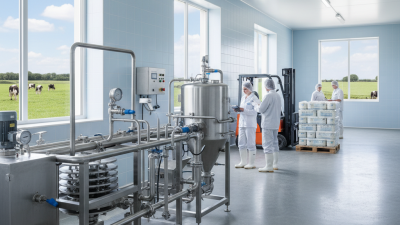
Global dairy processing lines begin with receiving tanks, pumps, filters, and clarifiers. These remove visible debris and help separate cream before further treatment. Scale matters: FAO’s Dairy Market Review 2023 estimated world milk production at 944.6 million tonnes that year. Even small flow interruptions can affect large volumes. Pasteurizers use controlled heating and cooling; a commonly applied schedule is 72°C for 15 seconds, or an equivalent treatment, as described in the Codex Code of Hygienic Practice for Milk and Milk Products. Temperature records matter. So does calibration.

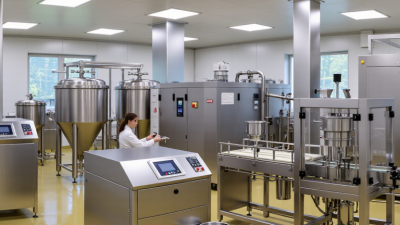
After pasteurization, homogenizers reduce fat globule size, helping prevent cream from rising in packaged milk. Fermentation tanks support yogurt production, while cheese vats provide controlled stirring and curd cutting. Evaporators remove water from concentrated milk, and spray dryers turn liquid feed into powder. Filling equipment then doses products into cartons, cups, or bags. Clean-in-place systems circulate water and cleaning solutions through pipes and vessels without dismantling them. They save labor, but they need careful verification; a clean-looking pipe is not proof of effective cleaning. In practice, the best equipment choice depends on product mix, target capacity, and how often the line changes over.

How to Evaluate Manufacturers for Global Procurement

For global dairy procurement, evaluate a manufacturer against your actual process, not just its catalogue. Record the required hourly capacity, product type, cleaning method, and available floor space. Ask for equipment drawings, material specifications, and utility requirements. A line that looks efficient on paper may need more water, steam, or operator access than your site can provide.

Check how the manufacturer verifies performance. Request test procedures, acceptance criteria, and references from facilities with comparable products and production volumes. Discuss installation support, operator training, spare-parts availability, and typical response times. Confirm that control systems, documentation, and electrical interfaces can be supported at your destination. Details matter. A vague service promise is not a service plan.

Tips: Compare quotations line by line, including shipping preparation, commissioning, and exclusions. Ask for a sample maintenance schedule and a clear list of recommended wear parts. Arrange a remote or in-person factory inspection when practical. Keep questions in writing, and note unanswered items. No checklist catches everything; procurement teams should revisit assumptions as site conditions become clearer.

Leading Dairy Machinery Manufacturers and Their Areas of Focus

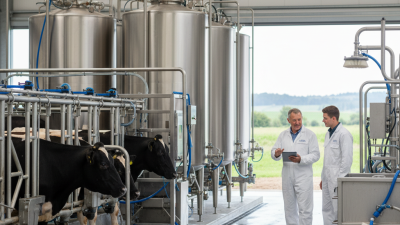
Leading dairy machinery manufacturers usually specialize in one or more stages of production. Milking-equipment makers focus on parlors, automated systems, and milk cooling. Their designs affect daily routines, from cleaning hoses to monitoring milk flow. Small details count.

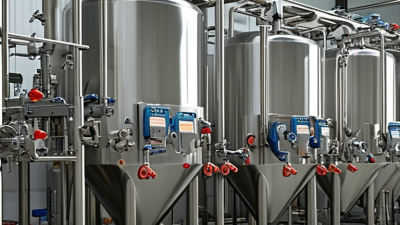
Processing-equipment manufacturers build pasteurizers, separators, homogenizers, and storage tanks. Their focus is consistent temperature control, product handling, and cleanable surfaces. Packaging specialists, by contrast, concentrate on filling accuracy, sealing, and line speed. Some suppliers integrate several stages, but a single source does not automatically mean a better fit.

A buyer should compare equipment against actual milk volume, product range, available floor space, and staff experience. Ask for service intervals, spare-parts availability, and installation requirements in writing. A clear answer about cleaning time can be more useful than a broad efficiency claim. Not always. A polished brochure may leave practical questions unanswered, so request operating references and inspect comparable installations where possible. Even capable machinery can underperform when utilities, training, or maintenance plans are overlooked.

Factors That Shape International Purchasing Decisions

International purchasing decisions for dairy machinery depend on more than purchase price. Buyers should compare capacity, product type, cleaning requirements, and available utilities. A processing line must suit the milk volume expected today, while leaving practical room for growth. Ask manufacturers for equipment layouts, installation requirements, and performance data under conditions similar to your own. A polished brochure is useful, but operating details matter more.

Tips: Request a written list of included components, spare parts, and commissioning tasks. Confirm which technical documents and training are provided, and in what language. Check expected delivery and installation timelines against your site’s readiness. Small details can cause delays.

Service access also shapes the decision. Clarify response times, remote support options, and how replacement parts are identified and shipped. Compare energy and water use, not just output per hour. If possible, speak with operators who use similar equipment and ask what requires frequent adjustment. Their feedback may be less tidy than a sales presentation, but often more useful. It is easy to overvalue a low quote; I would still weigh reliability and support carefully. A cheaper purchase can become an expensive lesson.

Top Dairy Machinery Manufacturers for Global Buyers? - Factors That Shape International Purchasing Decisions
Purchasing Factor What Buyers Should Evaluate Useful Information to Request Why It Matters Internationally
Process and Product Fit Confirm that the equipment is designed for the intended product and process, such as milk reception, pasteurization, separation, homogenization, fermentation, filling, or cleaning. Process flow diagram, product specifications, operating sequence, and the limits of the equipment’s stated application. Dairy products differ in composition and processing requirements. A machine suitable for one product or process may not suit another.
Capacity and Line Balance Compare the required throughput with the capacity of each machine and the rest of the processing or packaging line. Rated capacity, operating conditions behind the rating, changeover time, and expected production schedule. A line’s practical output is affected by its connected equipment, product, packaging format, and operating conditions—not just the capacity of one machine.
Food-Contact Materials and Hygienic Design Review product-contact materials, surface finishes, drainability, cleanable connections, and measures to reduce product-retention areas. Material specifications, hygienic-design documentation, weld and finish details, and applicable conformity documents. Appropriate hygienic design supports effective cleaning and helps buyers assess suitability for food processing. Applicable requirements vary by destination market.
Cleaning and Sanitation Determine whether the equipment supports clean-in-place (CIP), clean-out-of-place (COP), or manual cleaning, and how it connects to the plant’s cleaning system. Cleaning sequence, connection requirements, cleaning-agent compatibility, and validation or verification guidance. Cleaning procedures depend on the product, equipment design, plant utilities, and local food-safety requirements. Compatibility should be confirmed before purchase.
Controls and Data Integration Check control-system functions, operator interface languages, alarm handling, recipe management, and compatibility with the buyer’s plant systems. Control architecture, communication interfaces, data points available, software documentation, and remote-access options. Clear controls and compatible data exchange can simplify commissioning, operator training, and integration with existing production systems.
Utilities and Site Compatibility Verify required electrical supply, water, steam, compressed air, cooling, drainage, floor loading, and available installation space. Utility consumption and connection schedule, electrical drawings, equipment dimensions, and foundation or access requirements. Electrical frequency and voltage, utility availability, building layout, and installation conditions differ between countries and facilities.
Regulatory and Documentation Readiness Identify the standards, approvals, and food-safety documentation applicable in the equipment’s destination country and intended use. Declaration of conformity where applicable, technical file contents, risk assessment, manuals, and material or component documentation. Import, workplace-safety, electrical, and food-contact requirements are jurisdiction-specific. Buyers should confirm requirements with local authorities or qualified advisers.
Installation and Commissioning Clarify who is responsible for transport, installation, utility connections, start-up, performance testing, and operator training. Project schedule, scope-of-work matrix, site-readiness checklist, acceptance-test criteria, and training plan. Defined responsibilities help coordinate overseas projects, local contractors, shipping schedules, and production start-up.
Spare Parts and Technical Support Assess parts availability, support channels, service coverage, and the information needed to diagnose faults. Recommended spare-parts list, parts identification system, service contact process, and support terms for the buyer’s location. Distance, customs procedures, time zones, and local service resources can affect repair timelines and equipment availability.
Total Cost of Ownership Compare purchase and installation costs with energy, water, cleaning, labor, consumables, maintenance, and expected downtime. Utility-use data under stated conditions, maintenance schedule, consumables list, and warranty scope and exclusions. Purchase price alone does not represent the full cost of operating and maintaining dairy-processing equipment over its service life.
Note: This table is a general procurement checklist. Equipment specifications, performance, certifications, and legal requirements should be verified for the specific product, facility, and destination market.